Cabrera's Leg Strain Compounds Cubs Rotation Depth Crisis
By Ty Whitney ·
A hamstring and adductor strain on a routine play signals both fragility and a looming staffing shortage in Chicago's pitching plans.
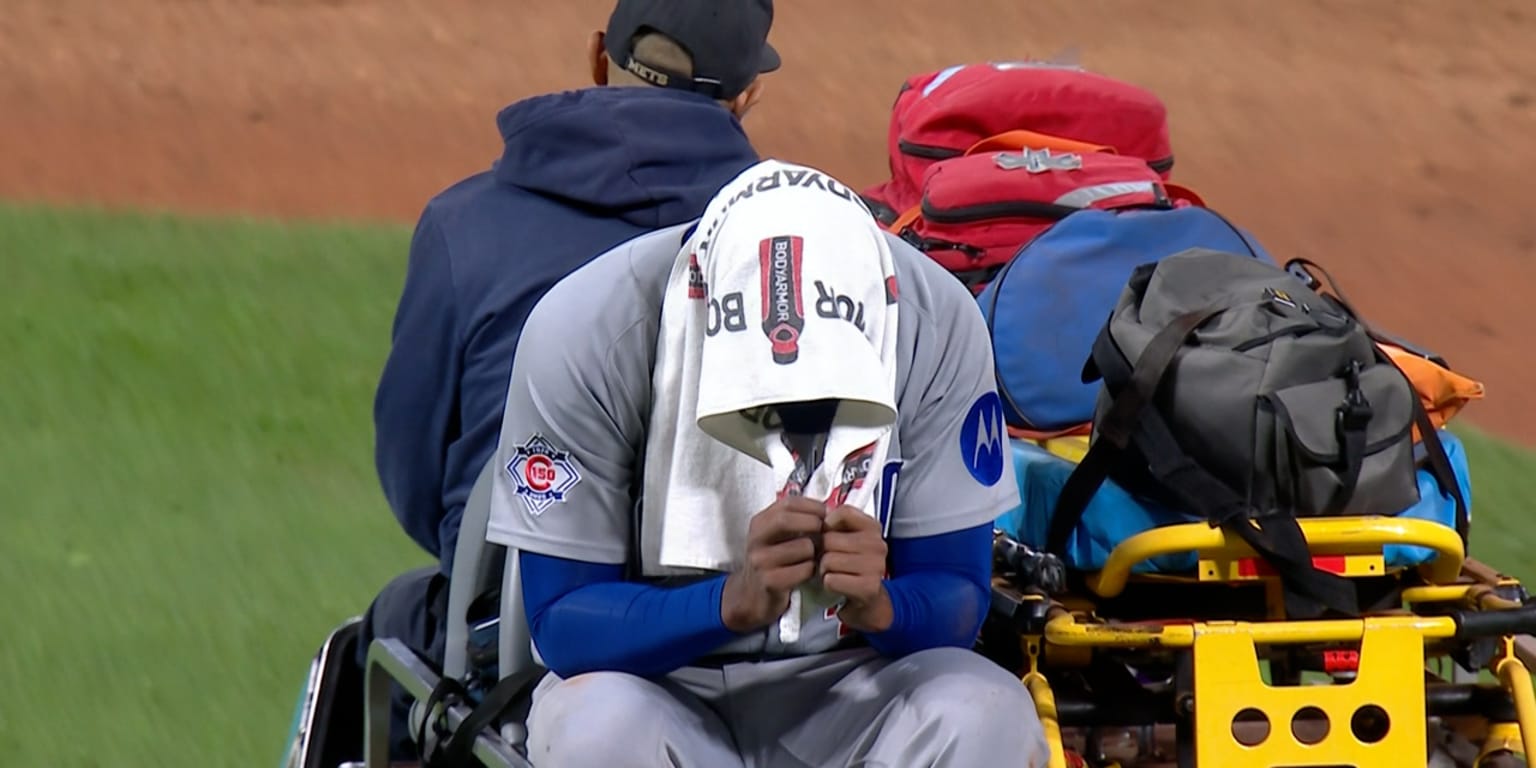
Edward Cabrera exited Tuesday's game against the Mets in the fifth inning after suffering a strain to both his left hamstring and left adductor, marking the third ailment to sideline the Cubs right-hander in less than five weeks. The injury came on a routine defensive play—Cabrera stretched at first base to receive a throw on a ground ball—and the damage was immediate enough that he required a cart off the field. Through five innings, he'd allowed two runs while striking out four, keeping the Cubs' 7-2 lead intact at the moment of departure.
What matters most here isn't the injury's severity in isolation—hamstring-adductor strains are common and recovery timelines range from 10 days to four weeks depending on grade—but the pattern. Cabrera exited his June 16 start with a right hand cramp, then landed on the injured list May 21 with a right middle finger blister. Three separate physical setbacks across different body regions in five weeks points to either chronic imbalance, mechanical inefficiency, or a deeper underlying conditioning issue. The Cubs' medical staff will need to rule out structural problems before he returns, and the cumulative missed time is starting to shape roster decisions.
The Cubs rotation was already running thin heading into the season's second half. With Cabrera now facing a week-plus absence and additional evaluation time, the team loses a mid-rotation arm during a window when the National League playoff race tightens. Chicago's depth depth behind their top-three guys had limited margin for injury, which means increased leverage for borderline starters and bullpen usage spikes in the near term. Games where the Cubs are forced to skip Cabrera's turn in the rotation—or use a short-outing plan—will see elevated bullpen workloads and shorter leashes on position players in extra innings.
For prop bettors, this injury shapes two distinct angles. First, Cubs team totals in games without Cabrera in the rotation should face modest downward pressure when they face quality opposing starters; the offense won't inherit any pitcher-related advantage, and the bullpen depletion raises the likelihood of late-game pressure situations where runs become harder to score. Second, Cubs games in the 7-10 days following this injury should see elevated strikeout prop values across all hitters, as the team cycles through fill-in starting pitchers who may rely more heavily on fastball-strike rates rather than command-based efficiency—creating more favorable K prop pricing for opposing batters and strikeout totals for Mets-class opponents.
The durability question extends beyond June. If Cabrera's injuries reflect a mechanical or conditioning vulnerability, his prop pricing in future matchups should incorporate a higher injury-absence probability than surface-level talent comparables would suggest. Smart money should treat Cabrera as a higher-variance pitcher moving forward, which means fading overs on his innings-pitched projections and game-script-dependent strikeout lines unless the market reprices him downward first.