Buxton's Power Surge Masks Minnesota's Bullpen Dependency Problem
By Ty Whitney ·
Byron Buxton's third homer in four games carried the Twins past Detroit, but the real story is how precariously Minnesota is winning games that depend entirely on relievers.
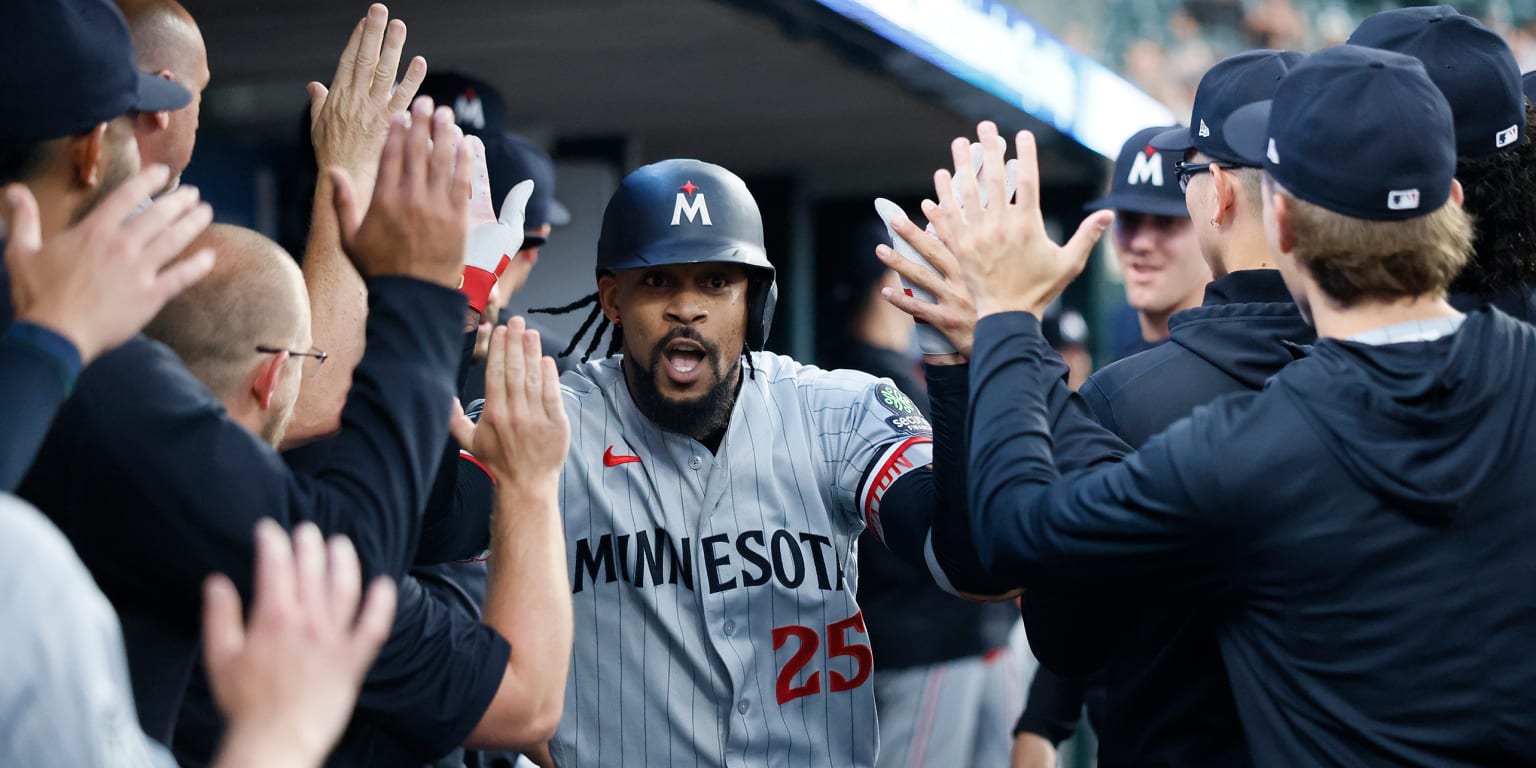
Byron Buxton launched his 20th home run of the season in the fifth inning Wednesday night, gifting Minnesota a three-run cushion in what became a 6-4 win over the Tigers at Comerica Park. The homer provided the margin that mattered in a bullpen-heavy contest where starting pitcher Mike Paredes threw just three innings—the opening move in what was essentially a full-game relay race for the Twins' relief corps.
Paredes' abbreviated outing wasn't a blowup; it was the plan. The rookie allowed one hit and one run across his three frames, striking out four while handling the bulk role with composure. But the real test came when the game tightened. Dillon Dingler, Detroit's most dangerous hitter (16 homers, 49 RBIs at the time), came to the plate in high-leverage situations three separate times, and three times Minnesota's relievers—Andrew Morris, Anthony Banda, and Yoendrys Gómez—found ways to escape. Morris struck out Dingler with runners on the corners and one out in the fifth. Banda got him on a whiff at 96 mph in the seventh. That's not sustainable strategy; that's noise converted into wins.
The Twins' construction reveals the real vulnerability here. Minnesota isn't built to win bullpen games consistently—few teams are. Paredes' three innings means Minnesota's relief staff worked six innings on minimal rest (the team had played Tuesday night). Josh Bell's seventh-inning single and a wild pitch provided insurance runs that probably saved the bullpen from an even closer finish. But Dingler broke through in the ninth with an RBI single, a reminder that Detroit kept the line tight until the final out. When you're winning because your closer got three strikeouts in high-pressure moments, you're benefiting from variance, not structure.
For prop bettors, Buxton's recent power surge—three homers in four games—warrants scrutiny rather than fade. His 20 homers in early June (roughly 65 games played) projects to roughly 50 for a full season, well above his career pace. But the underlying hit quality matters more than the counting stat. Buxton's true value to Minnesota's win total lies in his ability to carry games when the pitching staff is depleted, not in his absolute home-run ceiling. The Twins' dependency on bullpen performance in close contests means they'll face negative variance soon; teams that win games via relievers striking out cleanup hitters in tight spots typically regress when those relievers face fresh hitters or when variance reverses.
Minnesota's team total for the rest of June should account for the structural weakness in this formula. Bullpen-dependent wins don't age well over 30-game samples. Buxton's power is real, but it's being asked to carry an offense that can't consistently score enough runs to avoid high-leverage situations. That's a bet against the Twins' depth, not for it.