Burns Faces San Diego as Reds Lean on Ace to Break Skid
By Erik Schwartz ·
The Reds' young phenom takes the mound against the team that let him walk five years ago, arriving at Petco Park with elite strikeout consistency and a roster in freefall.
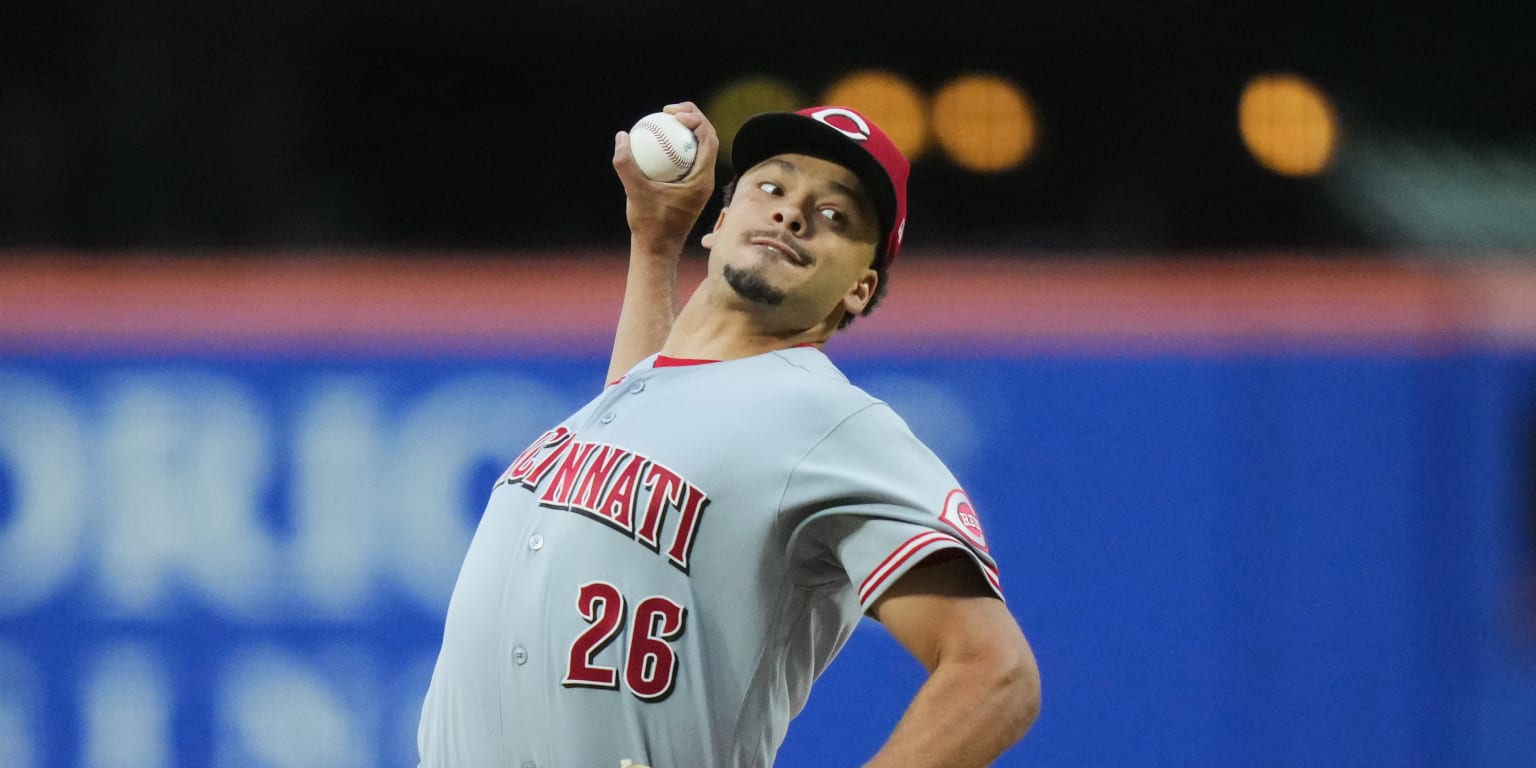
Chase Burns gets the ball Tuesday night for Cincinnati against San Diego, a matchup carrying narrative weight but real betting substance. The Reds are collapsing—five straight losses, with Elly De La Cruz still unavailable—while the Padres sit 3-7 over their last 10 games and have descended into offensive purgatory. Burns, 23, has become a rare bright spot in red: a 2.05 ERA, seven-plus strikeouts in each of his last four consecutive starts, and zero games where he's yielded more than two earned runs in that span. He's gone at least five innings in all 12 starts this season, with Cincinnati posting an 8-4 record in those games.
The backstory matters because it frames the competitive setup. San Diego drafted Burns in the 20th round back in 2021; he declined to sign and attended Wake Forest instead. The Padres' front office has since watched that decision compound into a blue-chip talent now anchoring a division rival's rotation. But Tuesday's matchup is less about vindication and more about exploiting a specific vulnerability. San Diego's offense has cratered to a league-worst .215 batting average and .647 OPS. Lucas Giolito (2-1, 4.86) takes the mound for the Padres after lasting four innings against Philadelphia last time out, surrendering three runs on six hits and a walk. That's not a profile to inspire confidence against a pitcher currently operating with a four-game streak of seven-plus strikeouts.
Burns' strikeout consistency is the operative detail. Over his last four starts, he's not just been efficient—he's been relentless, recording seven or more Ks in every outing. Against an offense currently ranked last in baseball for contact quality and run production, that pattern is primed to extend. The Padres' defensive metrics suggest they're not working into deep counts or fouling off pitches at elevated rates; they're simply making weak contact or missing entirely. Burns' four-seam velocity (the article specifically highlights it as a weapon) becomes a heavier lever when opposing batters are already searching for timing.
For bettors, the angle is straightforward: Burns' strikeout prop sits in territory that doesn't adequately price in his recent form or the matchup quality. A pitcher who has cleared seven Ks in four straight games faces the league's worst-hitting team with their number-four starter on short rest. The edge is persistent—built on five consecutive games of elite strikeout performance paired with a structural offensive weakness in San Diego's lineup—not a single-game spike that will evaporate. Even if the line has moved modestly upward since opening, the underlying advantage survives line adjustment because the mechanism (elite strikeout rate meeting historically bad contact) remains true.