Burns' Defensive Chaos Masks a Resilient Performance—But Execution Risk Lingers
By Ty Whitney ·
Chase Burns allowed a grand slam on a bases-loaded slider after replay reversals and fielding breakdowns, yet his stuff remained intact enough to keep Cincinnati within reach despite the early damage.
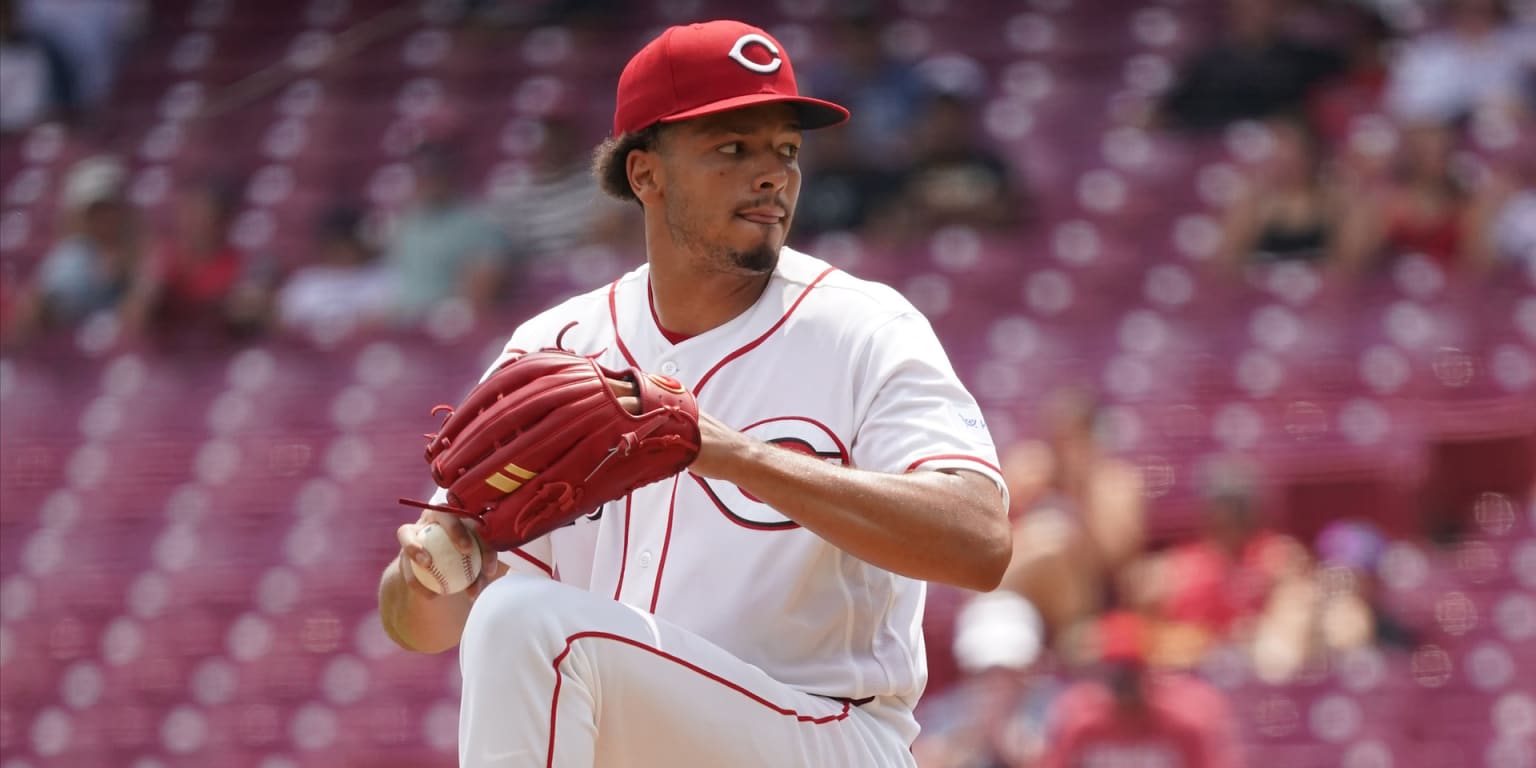
Chase Burns took the mound for Game 1 of Tuesday's doubleheader against Cleveland as a pitcher riding one of baseball's steadiest seasons. The All-Star right-hander, fresh off signing a seven-year, $105 million extension just 10 days ago on July 18, entered with a 2.40 ERA across 20 starts. What unfolded over the next hour was the rarest version of a Burns outing—one where defensive and replay chaos conspired to bury him early, even as his arm remained sharp.
The first inning became a procedural nightmare. José Ramírez's one-out single preceded an Edwin Arroyo error, then a Travis Bazzana ABS challenge overturning a called third strike. Burns threw a slider inside to Kyle Manzardo that appeared to hit him—Alfonzo Márquez initially awarded first base—before the Reds challenged and had the call reversed. Two pitches later, Manzardo launched Burns' next slider into the right-field seats for a grand slam. The damage: four runs, zero earned. Manzardo entered 4-for-26 with 11 strikeouts in bases-loaded situations; batters had been 1-for-9 against Burns in that spot all season. Burns had never surrendered a grand slam. The confluence of replay reversals, Arroyo's miscue, and an outlier slug represented something close to the worst-case procedural storm a starter can absorb without actual command issues.
Burns responded by pitching sharp the rest of the way. He worked around two singles in the second, erased a leadoff walk in the fourth via a caught stealing, and threw a seven-pitch scoreless fourth that left him at 75 pitches entering the fifth. Over innings two through five, he surrendered only one unearned run on a Ramírez steal and DeLauter sac fly. His strikeout rate held steady—four whiffs over five innings—and his 58 strikes on 89 pitches (65.2%) reflected solid command once the chaos subsided. The Reds clawed back to tie it 5-5 on Sal Stewart's solo shot and a four-run fourth, keeping themselves alive despite Burns' rough start.
For prop bettors, the key distinction is between event and pattern. A grand slam on a bases-loaded slider after a replay reversal and a historic cold-streak breakout is extreme variance, not a command or stuff deterioration signal. Burns' ERA dipped slightly to 2.40 despite absorbing four unearned runs; his strikeout and walk rates remained stable. The market may briefly overweight the narrative of an All-Star signing coughing up early damage on the back of replay reversals, but the underlying stuff remained consistent. His next start should trade at slightly inflated unders if books lean into Tuesday's disaster framing—a sharp move would be to lean overs on innings pitched (his I.P. line likely sits at 5.5 or 6 after absorbing 89 pitches today) assuming he gets a normal outing without fielding breakdowns. The grand slam was the breaking news; the actual pitching was the story.
One caution: Burns' willingness to stay in the zone even after the grand slam suggests confidence, but the procedural stress of replay reviews and defensive miscues may linger psychologically. Monitor his first-inning pitch sequencing in his next start. If he's chasing out of the zone early again, the Tuesday trauma may have created a real flinch. For now, treat the grand slam as what it was—a statistical monster truck that drove over a specific batter's historic slump while referees were distracted—not a sign of deterioration in stuff or command.