MLB
Wheeler Falters as Cardinals Reclaim Series; Leahy's Streak Fuels St. Louis Bullpen Math
St. Louis swept the Phillies behind a rookie starter's dominance and a suddenly functional offense, raising questions about Philadelphia's mid-rotation durability down the stretch.
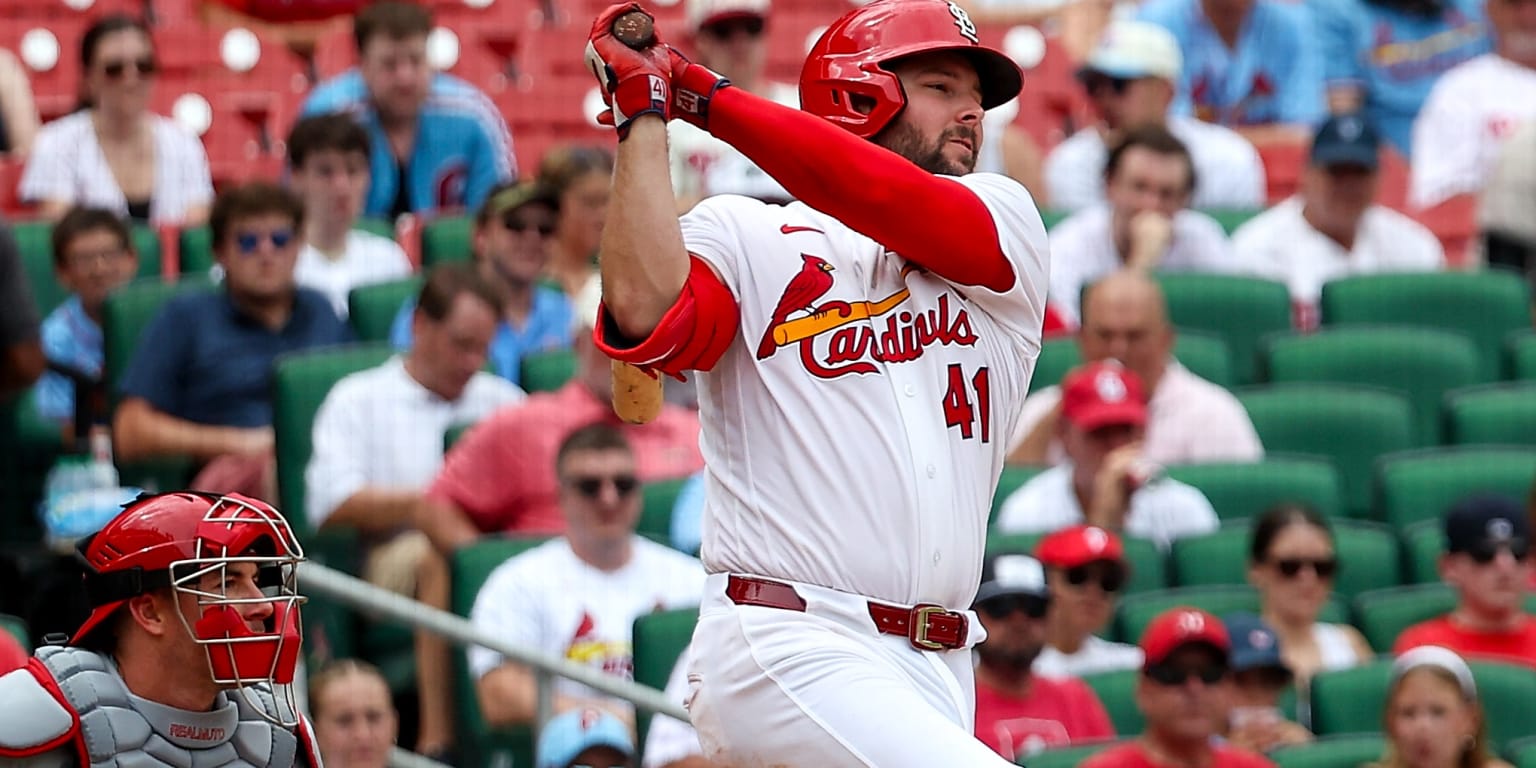
The Cardinals took Game 3 of their series with Philadelphia 7-1 on Wednesday, clinching the set behind a five-run eruption against Zack Wheeler and cleanup work from the Phillies' thinned relief corps. The win vaulted St. Louis back above .500 at 61-60—a threshold the franchise had slipped below after Monday's ninth-inning letdown. The story line feels familiar for a Cardinals team that has spent 2026 manufacturing wins from surprising angles. This one followed the blueprint: a young starter posting a line the books didn't price correctly, then an offense loading the bases against a relieved bullpen with gas-station command.
Kyle Leahy, a first-year rotation piece operating on the kind of usage pattern that usually predicts either a September wall or a future ace, extended his run to nine consecutive starts allowing two or fewer runs. His six strikeouts in five innings Wednesday lowered his season ERA to 3.38—best among Cardinal starters. The workload is daring: a rookie getting regular midweek starts in August when playoff positioning still hangs in the balance. That pattern suggests St. Louis believes Leahy's arm has answered durability questions that plagued him in the minors. From a market standpoint, that belief is underpriced. Books have been slow to adjust Leahy's next-start strikeout and earned-run lines, still anchoring them to his early-season performance when he was still learning MLB hitter tendencies.
The offensive collapse against Zack Wheeler—four earned runs in a matchup the Phillies entered as heavy favorites—speaks to Philadelphia's bullpen attrition. José Alvarado's two-run seventh was a tutorial in how relievers with walk rates above 11% decompose under playoff-race pressure. He faced five hitters, walked three, and left no doubt that Philadelphia's depth behind Wheeler and Cristopher Sánchez has been tested into unreliability. Alec Burleson's three-run afternoon (5 hits, 6 RBIs across the series) wasn't an outlier exploit—it was the Cardinals exploiting a known pressure point. Burleson's approach against lefty relievers has been methodical: he doesn't chase. When Alvarado couldn't throw strikes, Burleson didn't have to hit them.
For bettors, the implication cuts two directions. First: Cardinals series props and moneylines moving forward should tighten. A team generating wins on the back of a rookie starter's reliability and opponent self-destruction isn't a fluke; it's a repeatable edge if the pitcher stays healthy and the bullpen opponent remains depleted. Second, and more immediate: Wheeler's next start will carry sharper public attention, and his line will move tighter. But the Phillies' relief depth problem isn't fixed Wednesday—it's exposed. In games where Philadelphia's rotation falters by the third or fourth inning, the overs on team totals and first-five-inning spreads against them have become vulnerable. The Cardinals just proved they're willing to exploit that weakness. Other teams in the division will notice the blueprint.
Leahy's streak and Alvarado's implosion represent durable patterns, not single-game noise. A ninth-consecutive start with two or fewer earned runs from a rookie is rare enough to move pitching prop markets; a reliever walking 60% of his August appearances is a structural problem that will persist into September. The Cardinals' series win was competent baseball. The prop edges it creates are more subtle but harder to fade.
MLB Intelligence — Baseball intelligence beyond the box score. Open MLB Intelligence →