Ben Brown's Season Ends: Cubs Face October Without a Breakout Reliever
By Ty Whitney ·
A stress fracture in his cervical spine ends the Cubs pitcher's best season before the stretch run, forcing the staff to lean harder on depth.
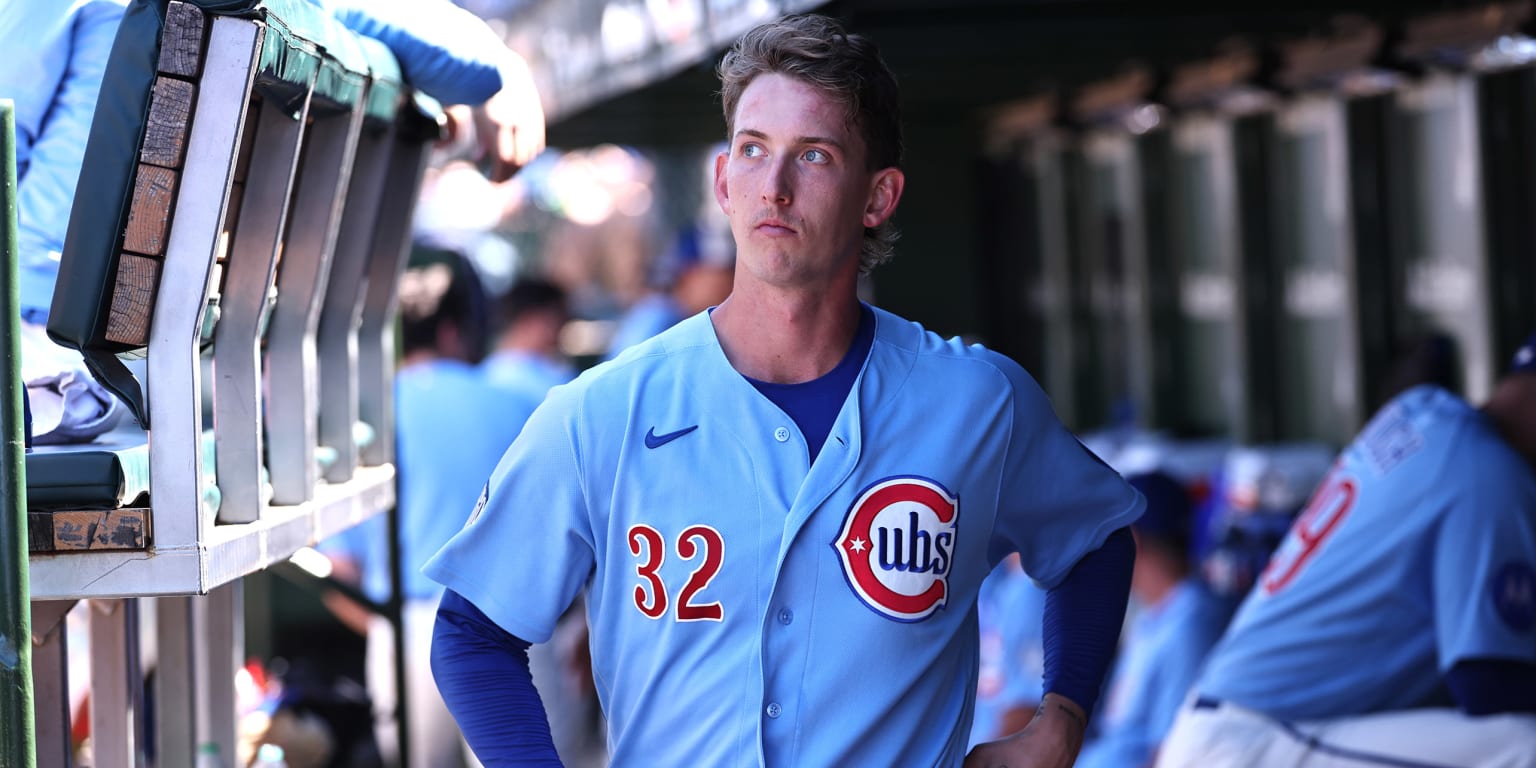
Ben Brown will not pitch again in 2026. Cubs manager Craig Counsell announced the shutdown on Thursday following a setback during Brown's rehab assignment in Arizona on August 25—a 34-pitch, two-inning outing that triggered neck discomfort and terminated the comeback attempt. The stress reaction in the C5 vertebra that first sidelined him on June 24 has resisted the conservative rest protocol that worked in theory but failed in practice. Brown has now missed roughly 71 days of this season and faces an extended 2027 ramp-up with no guarantee the injury won't recur.
The timing is particularly costly. Brown had compiled a 1.85 ERA with 65 strikeouts across 68 innings before the injury, operating as one of the most efficient arms in baseball relative to volume. When he last pitched on June 19, only 22 other major leaguers had generated 2.0+ WAR; Brown ranked highest among them in strikeout efficiency despite throwing the fewest innings. He'd transitioned from multi-inning reliever (2.10 ERA in 25⅔ relief innings) to spot starter (1.70 ERA in 42⅓ innings) seamlessly, armed with a new sinker developed with Clay Holmes' input over the offseason. For a Cubs organization desperate for depth and reliability heading into October, his loss is material.
What makes this injury pattern alarming is its recurrence. Brown dealt with the same C5 stress reaction during the final three months of 2024, though the specific diagnosis wasn't confirmed until this year. The injury mechanism remains mysterious—Counsell rejected suggestions of a delivery overhaul, noting that Brown's velocity is intrinsic to his mechanics and can't be engineered around without sacrificing his stuff. The Cubs will spend the offseason investigating strength-and-conditioning adjustments, but bone stress reactions are notoriously difficult to prevent through programming alone. Rest heals the fracture; it doesn't eliminate the structural vulnerability.
From a betting lens, the Cubs' bullpen leverage and reliever usage patterns shift immediately. Brown was positioned as a high-leverage, multi-inning option capable of bridging gaps or providing length in a thin rotation. His removal deepens the club's reliance on established arms like Shota Imanaga in the rotation and forces increased usage of secondary relievers in close games. Look for elevated workload on backup relievers over the final four weeks of the regular season—a pattern that historically correlates with fatigue-driven ERA regression in October when the stakes compound. The Cubs' team total over/unders on September games should price in slightly higher volatility, and late-inning reliever props become riskier as the pen gets stretched. Brown's absence also amplifies the value of any acquisitions the Cubs make at the deadline; the bullpen depth that seemed adequate two weeks ago is now noticeably thinner heading into a playoff push.