Brewers Bench Misiorowski's Hot Hand to Preserve Elite Prospect's Long-Term Value
By Ty Whitney ·
Milwaukee is skipping a short-rest start for its breakout right-hander to protect workload, reshuffling the rotation and creating an unexpected edge in Misiorowski's next appearance.
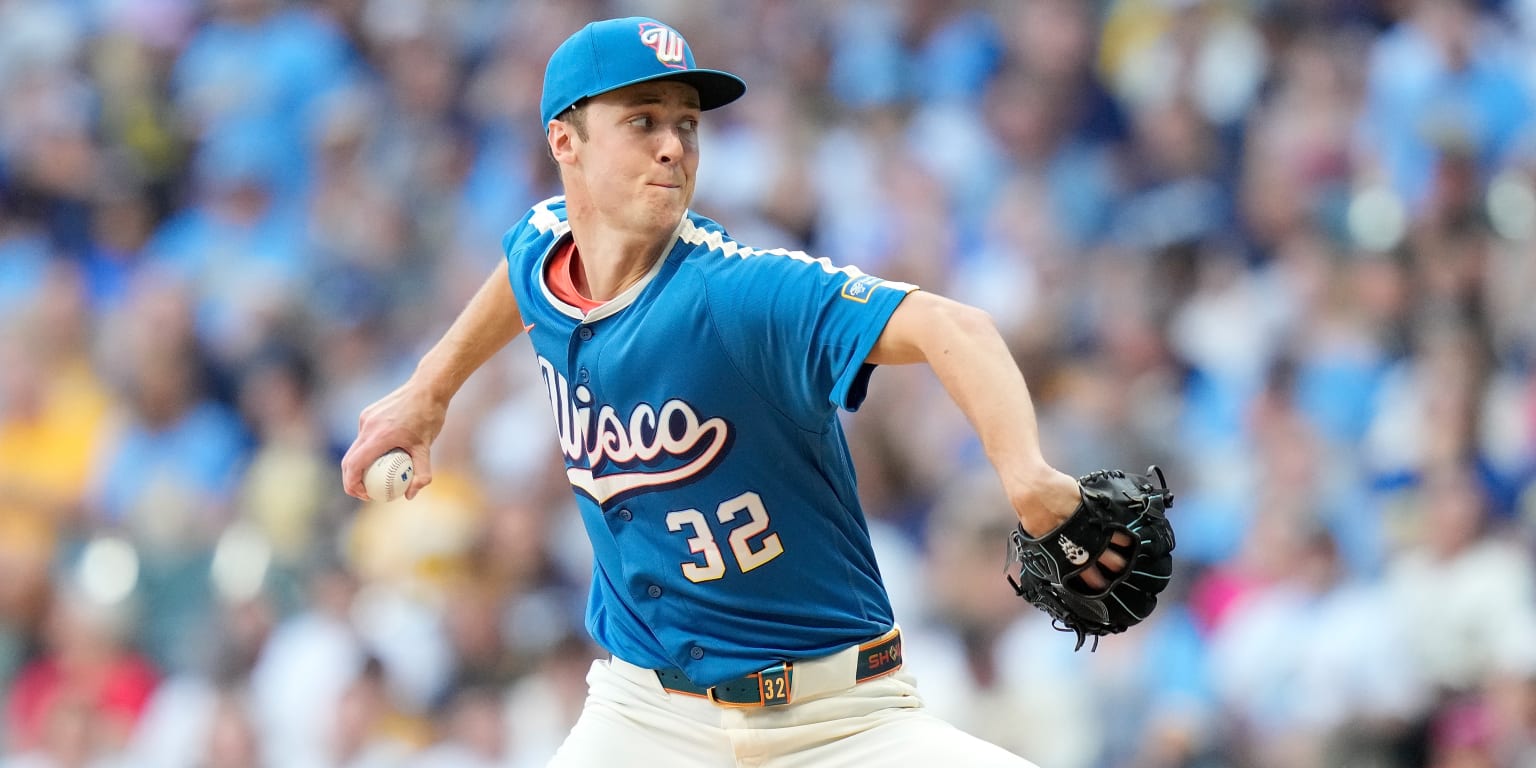
Jacob Misiorowski will not pitch Thursday against Cleveland, despite posting a 15-strikeout, one-hit complete-game shutout against Philadelphia on Friday and having an extra day of rest available. The Brewers have instead arranged their rotation so that Misiorowski gets pushed back to face Atlanta on Friday, June 21—exactly one week after his dominant performance. This is a deliberate choice by the organization, not happenstance. Brewers president of baseball operations Matt Arnold confirmed the decision was made before Misiorowski's gem against the Phillies, signaling that Milwaukee's front office and coaching staff view extended rest as more valuable than the revenue opportunity of a Misiorowski home start against a division rival.
On the surface, this reads as organizational caution. Misiorowski is 24, the kind of foundational pitcher you protect because his career arc—not his next start—matters. A 95-pitch, nine-inning shutout with 15 strikeouts does not scream "this arm needs a break." Arnold said Misiorowski reported feeling excellent after the outing. But the logic underneath reveals something sharper: the Brewers are mapping a schedule that allows Misiorowski to space starts at seven days apart for consecutive turns, which compresses workload within a compressed timeframe while maintaining peak performance. The National League opponent designation also matters. Since playoff seeding is determined by within-division records, there's no playoff equity gained from beating Cleveland at home. An extra day of rest plus a matchup against a non-division opponent in a road context is worth more in June than a Friday bobblehead night.
For bettors, the immediate consequence is a Misiorowski start on the road in Atlanta with maximum recent rest and zero urgency to push him past 100 pitches. His fastball profiles elite (he hit 15 Ks on 95 pitches against Philadelphia), and his strikeout rate on a seven-day cycle with a clean bill of health is not priced the same as a short-rest or grind-heavy appearance. The Braves rank middle-of-the-pack in strikeout avoidance this season (20.8% K rate), giving Misiorowski runway. If he hits 90+ pitches, expect 10+ strikeouts as a baseline floor; the over on his strikeout prop will likely open at 9.5 or 10.5, and the extra rest—plus the organizational commitment to managing him deliberately—makes the over a clearer edge than his typical short-rest turns.
The workload architecture also hints at Brewers confidence. By running him on seven-day rest against Atlanta and then potentially four-day rest against Cincinnati on June 24 or six-day rest against Chicago on June 26, the front office is signaling they expect Misiorowski to remain healthy and effective across that window. Rotation decisions are internal valuations. When a team burns a probable pitcher slot to preserve an arm's rest window, they're betting he's special enough to be worth the opportunity cost. That conviction should flow through to his props: strikeouts, innings pitched, and moneyline value all tighten in Misiorowski's favor when organizational resources align behind him.