Gasser's Demotion Exposes Pitcher Vulnerability to Sign-Stealing: What It Means for Milwaukee's Bullpen Math
By Erik Schwartz ·
The Brewers optioned Robert Gasser after he surrendered a three-run homer to Teoscar Hernández on a potentially tipped pitch, highlighting a mechanical liability that undermines his relief value.
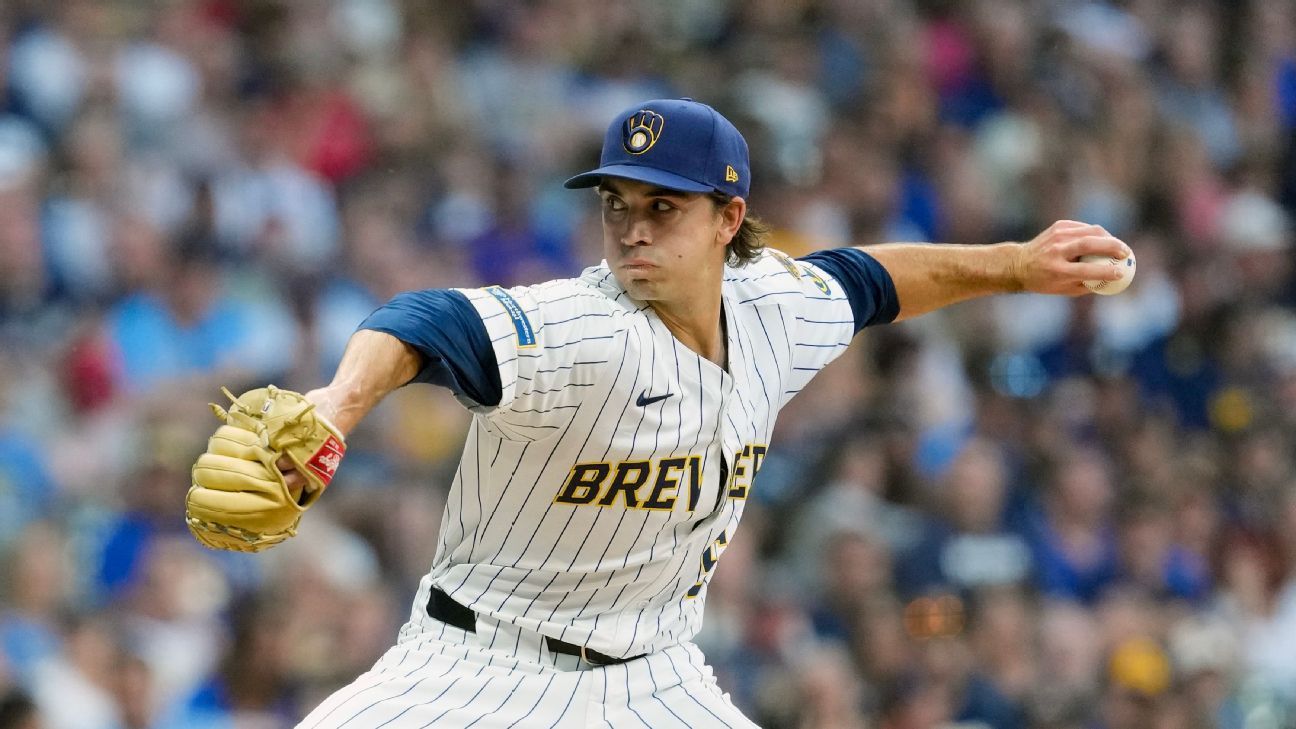
The Milwaukee Brewers sent left-hander Robert Gasser back to Triple-A Nashville on Sunday, one day after he coughed up a three-run lead in a 5-4 loss to Los Angeles. In just two MLB appearances, Gasser posted a 6.48 ERA across 8⅓ innings with a concerning 6:7 strikeout-to-walk ratio. But the velocity of the demotion—and manager Pat Murphy's post-game commentary—points to something more specific than poor results: Gasser was giving away his pitches.
Murphy directly addressed the mechanics issue after Saturday's loss, noting that Andy Pages appeared to be signaling from second base while Teoscar Hernández stepped into the box for his go-ahead three-run homer. "He got caught up and gave away some pitches, and it ended up hurting him," Murphy said. Dodgers manager Dave Roberts later acknowledged the theater of it all—whether or not Los Angeles actually had the signs decoded is almost secondary. The point: Gasser looked vulnerable to being read, and against a sophisticated opponent, that becomes a liability. Gasser acknowledged noticing Pages' movements but remained uncertain whether he'd actually tipped anything. In reality, the uncertainty itself is damning. Major League hitters operate on information asymmetry; the moment they sense a pitcher is readable, confidence at the plate jumps.
The roster move compounds Milwaukee's bullpen depth problem. Gasser's replacement, right-hander Carlos Rodriguez, arrives with mixed credentials—a 2.25 ERA in relief at the big-league level, but a bloated 8.03 ERA across five starts at Nashville, suggesting he's a pure relief arm. Rodriguez's limited track record and Gasser's quick exit mean Milwaukee is cycling through optionable talent rather than stabilizing a critical roster spot. For a contending team, this reflects either a scouting miss (Gasser was never the solution) or a mechanical issue that should have been caught in spring training.
From a betting standpoint, Gasser's inability to conceal his delivery matters when evaluating Brewers bullpen turnover and relief appearances. The tipped-pitch angle is worth monitoring in live games: if a pitcher is readable to one offense, sharp competitors will exploit it. This doesn't directly affect most prop lines, but it does signal that Milwaukee's bullpen options are shallower than the roster looks. When the Brewers' relief staff is stretched in tight innings—particularly late-game spots where Gasser might have been deployed—the team's ability to execute pressure situations is diminished. That cascades into team totals and moneyline value. Watch for Milwaukee's closing leverage and bullpen usage in upcoming games; if backup options are being forced into high-leverage spots earlier than expected, the cost of Gasser's demotion becomes visible in the run environment.