Brewers Fast-Track Pratt to Shortstop, Reset Infield Depth Chart
By PropBetEdge Editorial Team ·
A 21-year-old prospect signed to an eight-year deal is getting called up Tuesday, forcing Milwaukee to reckon with a failing veteran contract and a defensive reshuffling that alters offensive expectations across the lineup.
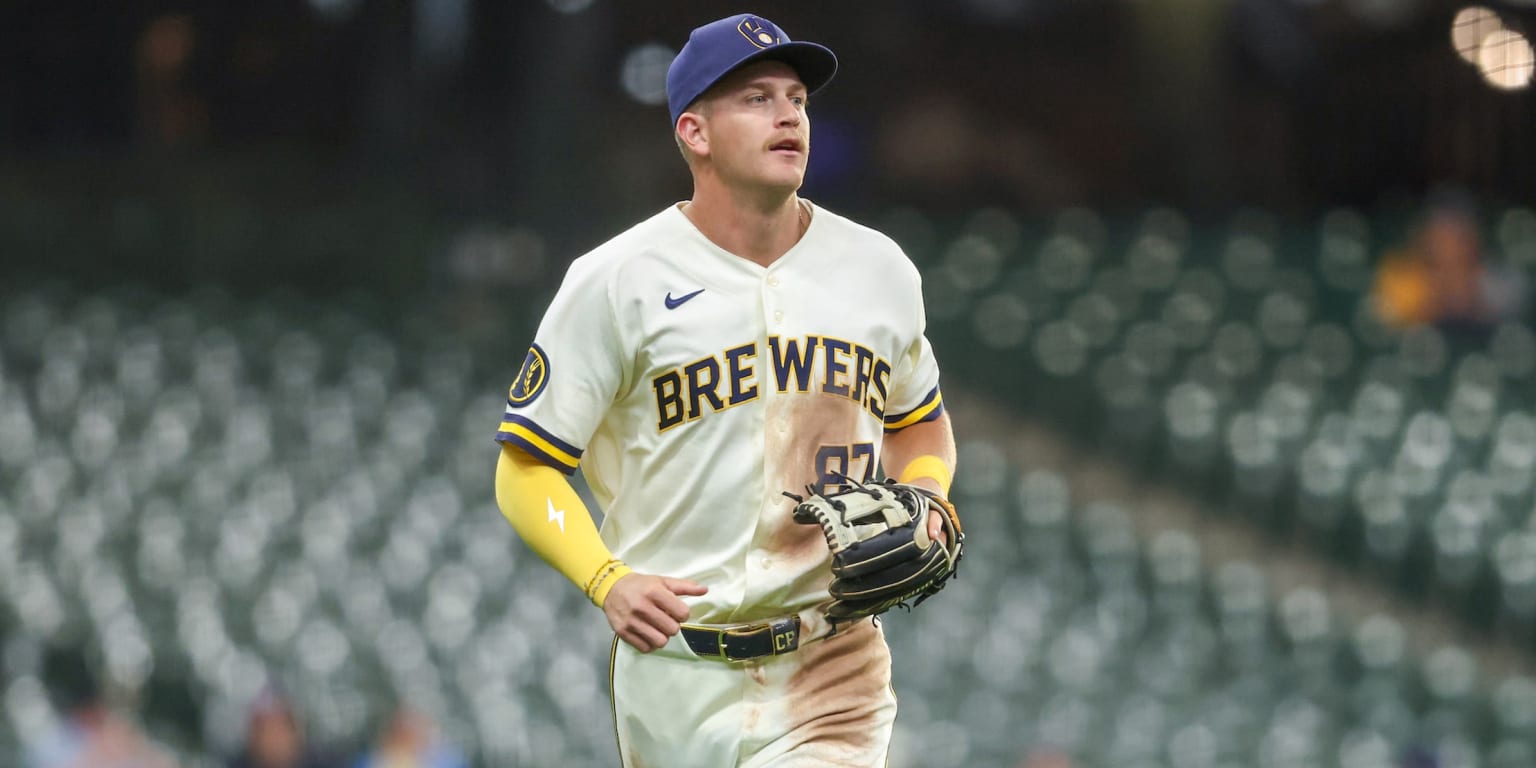
Cooper Pratt is getting promoted to the majors Tuesday for the Brewers' series opener against Cleveland, moving up from Triple-A Nashville after the team locked him into an eight-year contract in April. The 21-year-old shortstop is MLB Pipeline's No. 63 overall prospect and carries the kind of defensive credentials that warrant daily innings immediately—a rare threshold for a player still in his age-21 season. Milwaukee will almost certainly DFA or move to the injured list Luis Rengifo, whose $3.5 million one-year deal signed in February has catastrophically underperformed; he's hitting .205 with a .534 OPS and took two trainer visits during Sunday's win over Philadelphia without coming out of the game, a sign the front office is already preparing his exit.
The mechanics here matter more than the headline suggests. Pratt slides into shortstop, his natural position and the club's long-term plan. Joey Ortiz, who has been excellent defensively but is managing a .561 OPS, moves to third base. This isn't a standard youth-for-depth swap—it's a fundamental reset of the infield's offensive profile. Ortiz, despite recent hot streaks, remains a below-average offensive contributor when viewed across the full season. Pratt, at .244/.353/.392 in Triple-A with 17 stolen bases in roughly 300 plate appearances, projects as a speed-and-defense play with the bat still developing. The Brewers are explicitly gambling that the shortstop position—typically a source of offensive drag league-wide—can absorb a prospect with an unproven major-league hit tool without torpedoing the middle of the order.
Pratt's Triple-A slash line carries modest offensive furniture. His .392 slugging percentage and six home runs over a full half-season suggest pop hasn't materialized yet; the 17 stolen bases indicate the Brewers have been testing his instincts on the basepaths. At 21 with a mega-contract already in place (he becomes the third Brewers prospect in two years to ink a pre-MLB deal, after Jackson Chourio and Luis Lara), Pratt is being installed as a long-term cornerstone, not a short-term solution. That investment—and the decision to move a plus defender like Ortiz—tells you the front office believes Pratt's glove and speed translate immediately, even if his bat takes time.
For prop betting, this creates a short-term offensive volatility window. The Brewers' team-total and run-line numbers will likely stay flat at open Tuesday, as the market hasn't yet priced in that Rengifo (a liability at the plate) is exiting the lineup and being replaced by a speed-first prospect with below-average slugging numbers in the minors. However, the real angle sits in Ortiz's prop floor dropping. Moving him from short to third is a positional shift that typically carries neutral or slightly positive offensive impact—more balls in play, fewer double-play opportunities—but his OPS profile and the fact that Milwaukee is willing to bench him for a 21-year-old tells you internal confidence in his bat is cratering. Joey Ortiz runs, hits, and RBI props should see downward-adjusted ceilings as the lineup reconfigures around a contact-first shortstop who doesn't profile as a power contributor.
Wednesday onward, once lineups adjust to Pratt's actual placement in the order (likely lower, given the prospect tag and thin offensive profile), team totals should stabilize at modestly lower numbers than the pre-promotion open. The edge is not in game-one overreaction—the market will adjust fast. The edge is in recognizing that Brewers offensive projection took a structural, not cosmetic, hit: they removed a proven below-average bat, inserted a defensive prospect with speed but no power track record, and shuffled their third baseman to accommodate him. That's a run-production headwind, not a tailwind.