Brewers' Power Display at Wrigleyville Signals Competitive Footing in Central
By Ty Whitney ·
Milwaukee's 9-3 demolition of Chicago restores divisional balance and offers early clarity on offensive capability after a slow start.
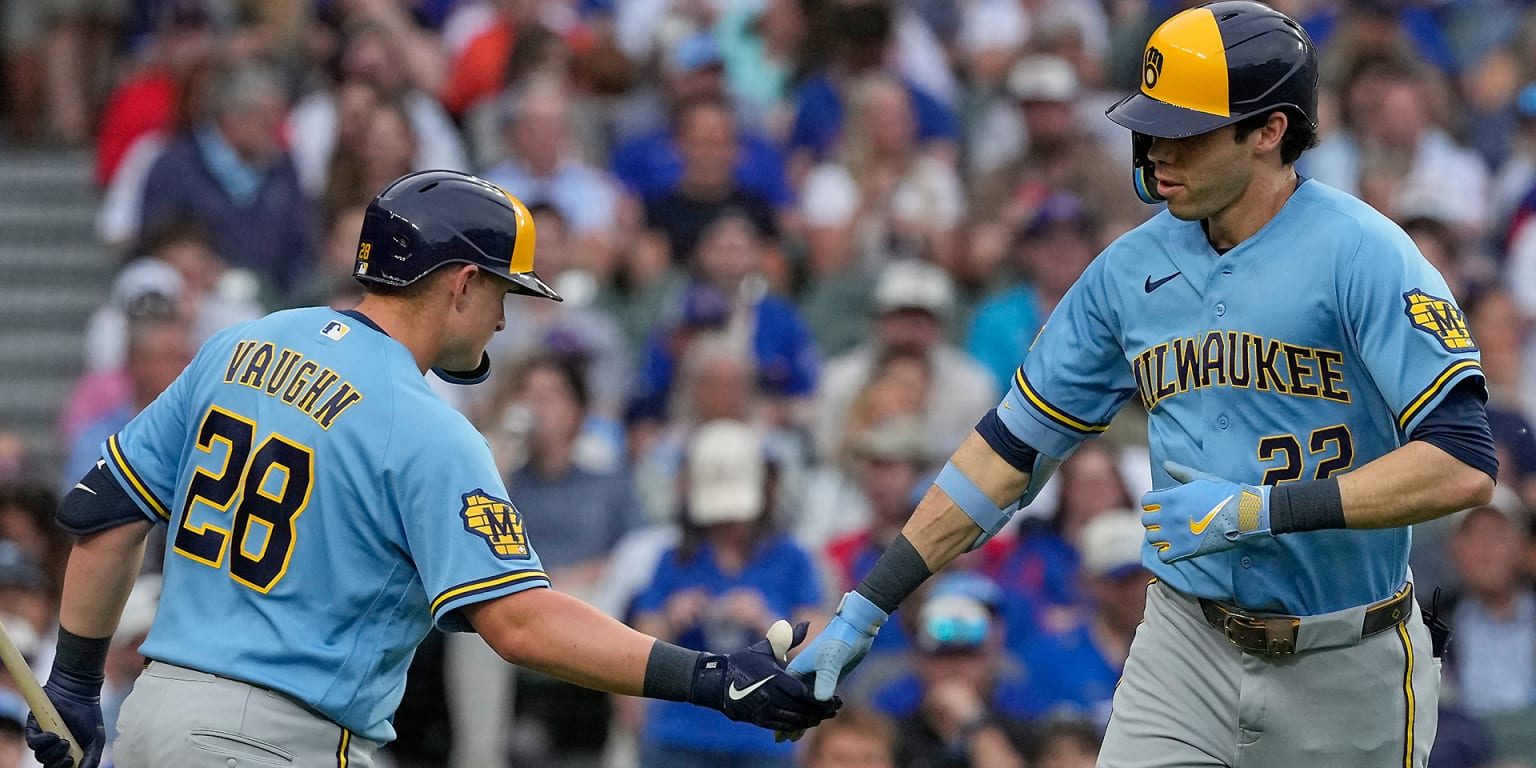
The Brewers arrived at Wrigley Field on Monday and left no ambiguity about their competitive standing in the National League Central. A 9-3 victory over the Cubs—their ninth win in the past 11 games—clawed back ground in the division race and punctured a narrative that had begun forming around Milwaukee's early-season struggles. Christian Yelich and Jake Bauers both deposited 400-plus-foot shots off the right-field scoreboard, the kind of emphatic offensive statement that doesn't get issued casually. The Cubs, coming off a 15-game home winning streak, absorbed the defeat and watched their division lead compress to half a game.
Context matters here. These two teams met in last year's National League Division Series with Milwaukee advancing, a result that reshaped expectations heading into 2024. The Brewers won the Central for three consecutive seasons before last year, and the Cubs—managed by the very Craig Counsell who built those Milwaukee contenders—arrived at spring training determined to reclaim the crown. Neither team is playing for style points or moral victories. They are head-to-head competitors operating at the same altitude, and the early-May positioning bears that out: the Brewers 9-3 win suggests they have not lost the organizational edge that has defined the division for three years.
For bettors, the offensive display carries immediate implications. The Brewers' power surge breaks a concerning trend. Through their first month-plus, Milwaukee's run production had lagged expectations, a symptom of both injury management and early-season recalibration. Monday's output—particularly the two long balls off the scoreboard—suggests the lineup is beginning to unlock its ceiling. When a team with championship-caliber position players (Yelich, Willy Adames, Bauers) finally connects on the pitches designed to be hit, the downstream effect flows to team totals and over-under pricing.
The Cubs' home-field vulnerability is equally notable for prop purposes. A 15-0 home run to start the season at Wrigley creates inflated confidence in Chicago's totals and moneyline pricing at home. One loss does not erase 15 wins, but it signals the streak was a variance spike, not a structural advantage. For the next Cubs-opponent matchup at home, oddsmakers will likely correct upward on the visiting team's win probability and team total—a natural market recalibration that had been suppressed by the winning streak illusion.
The Brewers' nine-game winning stretch (9 wins in 11) also frames their individual prop exposure differently. Milwaukee's hitters are swinging with intent after a start that resembled searching. Yelich's and Bauers' long balls weren't accidents; they were the product of elevated aggression on mistakes. In the next series against division opponents, expect Brewers batter props—particularly on power (home runs, total bases)—to reflect renewed baseline competence rather than the drag of early inefficiency.