Brewers Cut Rengifo Loose; Pratt Recall Signals Infield Shift
By Ty Whitney ·
Milwaukee's free-agent flop opens a depth chart and raises questions about what the team's middle-infield ceiling looks like the rest of the way.
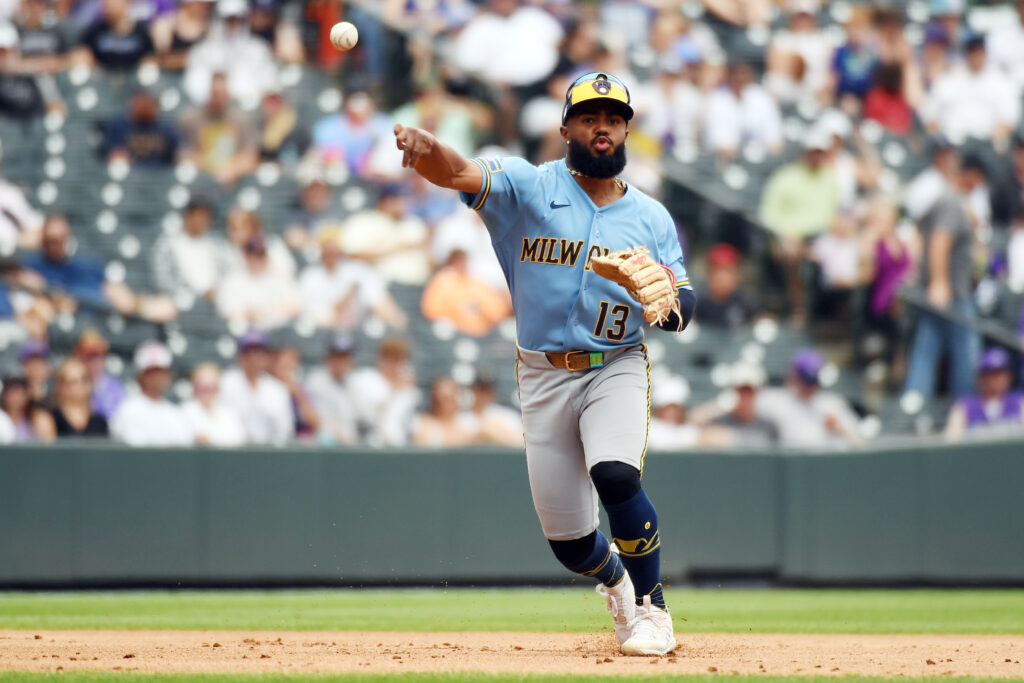
The Brewers designated infielder Luis Rengifo for assignment on Tuesday, clearing roster space for the recall of Cooper Pratt. The move closes the book on what has been a disappointing tenure for Rengifo, a free-agent signing that failed to deliver the depth and versatility Milwaukee banked on when he arrived in the offseason.
Rengifo's struggles at the plate have left the Brewers with limited offensive contributions from a position group that can't afford to bleed production. Through mid-June, the shortstop/second-base piece has not provided the offensive floor the organization projected, making him a liability in a lineup fighting for playoff positioning in what shapes up to be a competitive NL Central race. The designation signals Milwaukee is done waiting for a late-season surge and ready to audition younger options like Pratt, whose prospect pedigree still carries organizational currency.
Cooper Pratt's recall is the real bet tell here. The Brewers are gambling that a prospect in his development window can generate more value than a known quantity mailing it in. Pratt carries minor-league track record as an on-base threat, which matters in a middling offense looking for any spark. His presence on the roster tilts Milwaukee's bet toward upside growth over veteran stability—a decision that bleeds into team-total expectations.
From a prop lens, this move tightens the Brewers' offensive margin. Rengifo's struggles have already been priced into team totals; his removal doesn't crater the numbers further, but it does eliminate a drag. Pratt's insertion introduces variance. If the 23-year-old prospect hits his floor (sub-.250 average, marginal on-base work), Milwaukee's run-scoring environment stays flat to downward. If he hits closer to his ceiling—a contact-heavy, walk-generating approach that projects to .280+ OBP—team totals edge up. The broader bet is whether Brewers games settle around a lower scoring ceiling with greater reliability, or whether Pratt's upside-chasing play opens the door to higher-variance offensive nights. Early June data had Milwaukee at 4.2 runs per game; expect team-total lines to hold steady or tick down slightly as the market prices in Pratt's rookie unpredictability.