Brewers Hand Shortstop Job to 21-Year-Old Pratt; A Youth Movement Reshapes the Infield
By Erik Schwartz ·
Milwaukee's call-up of prospect Cooper Pratt signals a fundamental shift in roster construction—and puts a speed-first, contact-light talent in the lineup at a position typically reserved for proven plate discipline.
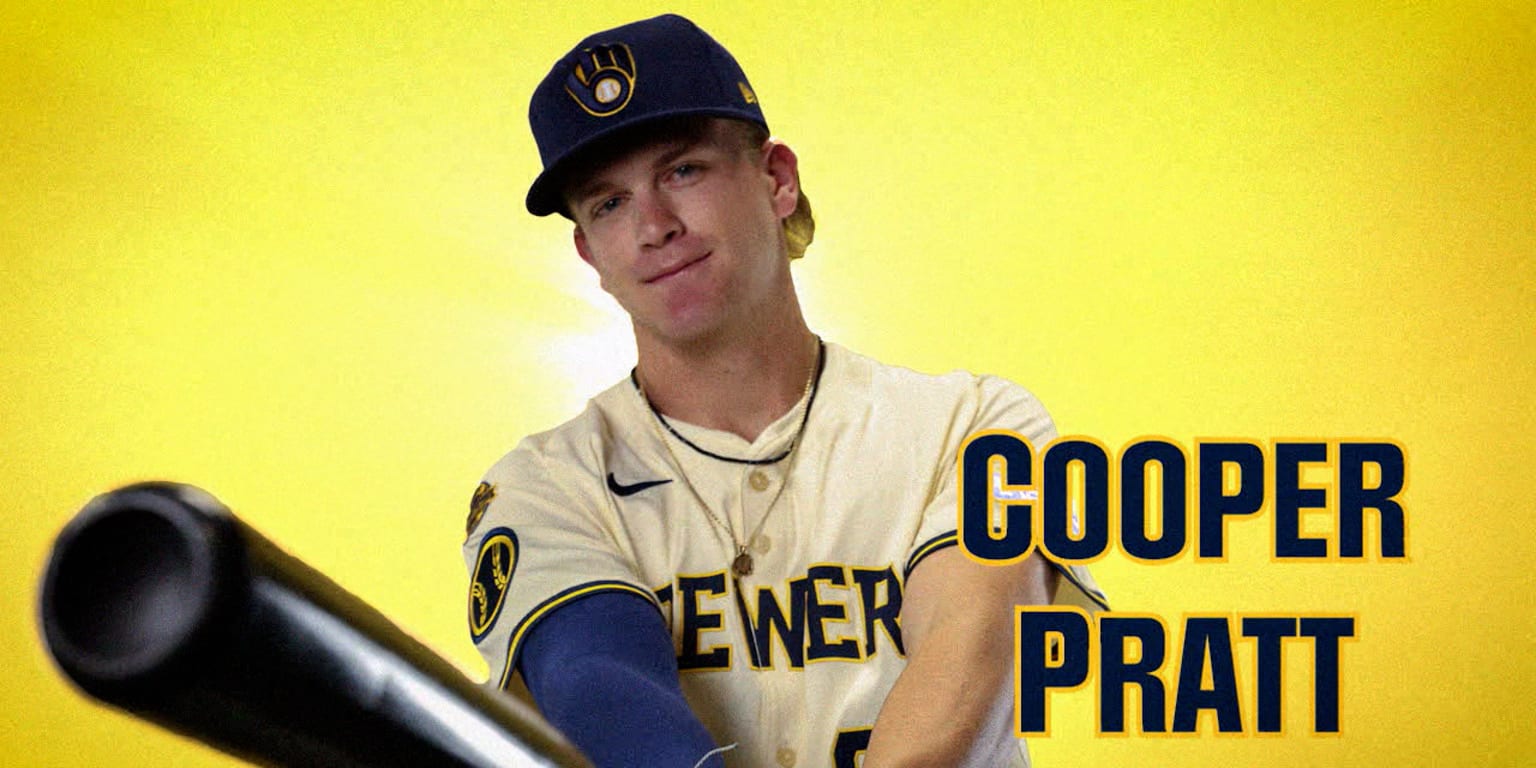
The Brewers promoted Cooper Pratt to the majors on Tuesday and installed him as their starting shortstop, displacing Luis Rengifo and forcing a cascade of infield rearrangement. At 21 years old, Pratt becomes the third-youngest player to start a game at the position this season, behind Pittsburgh's Konnor Griffin and Seattle's Colt Emerson. The move is not incremental—it's a declaration that Milwaukee believes Pratt's long-term ceiling outweighs the risk of deploying a teenager in a premium defensive slot against big-league competition.
Pratt's profile defies traditional shortstop construction. In 58 Triple-A games with Nashville, he hit .241 with a .349 on-base percentage and .386 slugging mark—pedestrian offensive numbers by any measure. The calling card is speed and selectivity: six home runs and 17 stolen bases in 58 games translates to aggressive baserunning paired with a walk rate (17 total bases on balls suggests a 2.9% walk rate) that lags far behind elite contact hitters. His strikeout rate at Triple-A remains opaque from the source data, but a .241 average at that level hints at swing-and-miss issues that will be tested immediately in the majors. The Brewers are betting that his youth, defensive tools, and eight-year, $50.75M guaranteed contract (signed this past April) represent future equity rather than immediate production.
The machinery behind the call-up is clear: Rengifo's .534 OPS in 185 at-bats created an untenable roster situation. A $3.5M free-agent signing who failed to deliver leaves Milwaukee with no choice but to accelerate a prospect timeline. By promoting Pratt, the team opens the 40-man and active rosters, consolidates its infield around youth (Pratt at short, Joey Ortiz sharing third base with David Hamilton), and signals to the farm system that performance at Triple-A translates into immediate opportunity. This is standard organizational messaging, but the stakes are real: Pratt has no margin for error. A prolonged batting-average collapse—a real risk given his .241 mark at Nashville—forces the Brewers into uncomfortable questions about depth and patchwork lineups mid-season.
From a prop perspective, Pratt's batting line entering the majors carries predictive weight. His Triple-A strikeout rate and contact quality remain unknowns, but a .241 average paired with just six home runs in 58 games suggests an over/under on strikeouts will land higher than it would for an older, more proven prospect. First-week prop betting on Pratt should lean toward strikeout overs and away from batting average overs; his speed edge (17 SB in 58 games) makes stolen bases a sharper play than hits or RBIs early in his tenure. The Brewers' offense will not immediately improve from Rengifo's removal—Milwaukee is trading a veteran with known (poor) production for a prospect with unknown (and risky) upside. Team total unders on Brewers games in the next two weeks make tactical sense until Pratt's major-league strikeout rate stabilizes.