Zastryzny's Return Signals Brewers Bullpen Restructuring — And Relief Depth Concerns
By Ty Whitney ·
Milwaukee activates its left-handed reliever after a World Baseball Classic stint, but the moves mask an organization scrambling to stabilize its pitching staff mid-season.
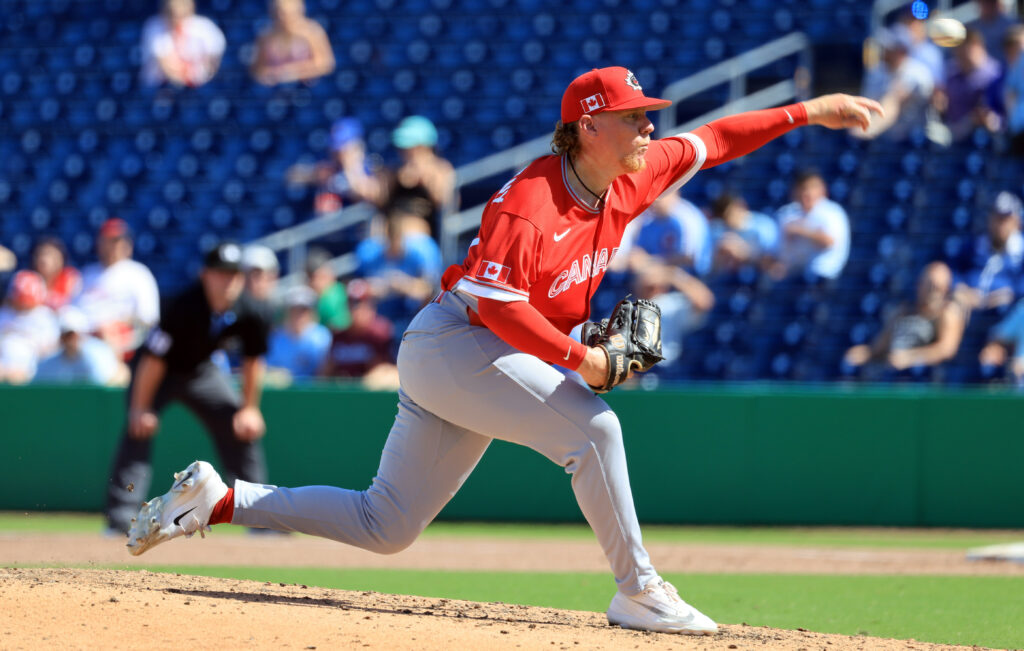
The Brewers have activated left-hander Rob Zastryzny off the 60-day injured list, optioning Carlos Rodriguez to Triple-A and shifting Angel Zerpa to the 60-day IL in his place. The sequence of moves—announced per MLB.com—is routine on its surface: a healthy arm returns, depth pieces shuffle down. Beneath that veneer, though, Milwaukee is managing a bullpen under strain, with relief depth taking hits faster than the organization can replenish it through Triple-A call-ups.
Zastryzny's availability comes after his appearance in the World Baseball Classic, a tournament commitment that likely extended his offseason and compressed his spring ramp-up. For a reliever returning from a 60-day absence, that's a meaningful detail. Left-handed specialists don't require extensive buildup—their workload is often situational and lower-volume than position starters—but the overlap between WBC duty and MLB activation creates a narrow window between game-fitness and fresh injury risk. Zastryzny's strikeout rate and ground-ball tendencies will matter more in leverage spots; the Brewers will need to manage his early usage carefully rather than deploy him as a Swiss Army knife.
Rodriguez's demotion and Zerpa's extended shelf time suggest the Brewers' relief corps is thinner than their opening-day roster suggested. Zerpa, who had been occupying a roster spot, is now long-term unavailable. That forces Milwaukee to lean harder on whoever's healthy—which, mid-May, is a narrower group than any team wants. When you're activating someone primarily for left-on-left matchups and situational leverage, you're signaling that your default relief options aren't carrying the load.
For betting purposes, this matters most to bullpen-adjacent props: Brewers team totals could tighten if games require earlier exits from starters due to relief instability, and the over/under on Milwaukee's run output becomes hostage to whether their pitching staff can keep games close enough to reach late innings. A bullpen playing catch-up in the seventh and eighth inning won't give the offense as many high-leverage at-bats. Conversely, if Zastryzny slots in as a reliable left-handed option in close games, innings pitched by relievers may stabilize. Watch the Brewers' bullpen ERA and total pitches thrown in the next 10 games; if both spike, the team total line may not have absorbed the depth cost yet.
Zastryzny's immediate impact will be modest—he's a role piece, not a closer—but his activation is a stress test for the organization's injury contingency planning. In a division race, that kind of depth mismanagement compounds fast.