Red Sox Win Without Cora, But the Clubhouse Fracture Is the Real Story
By PropBetEdge Editorial Team ·
Two wins and a diplomatic photo-op don't erase what happened in that Sunday morning meeting — and the market hasn't priced in what a trust deficit does to a contender's ceiling.
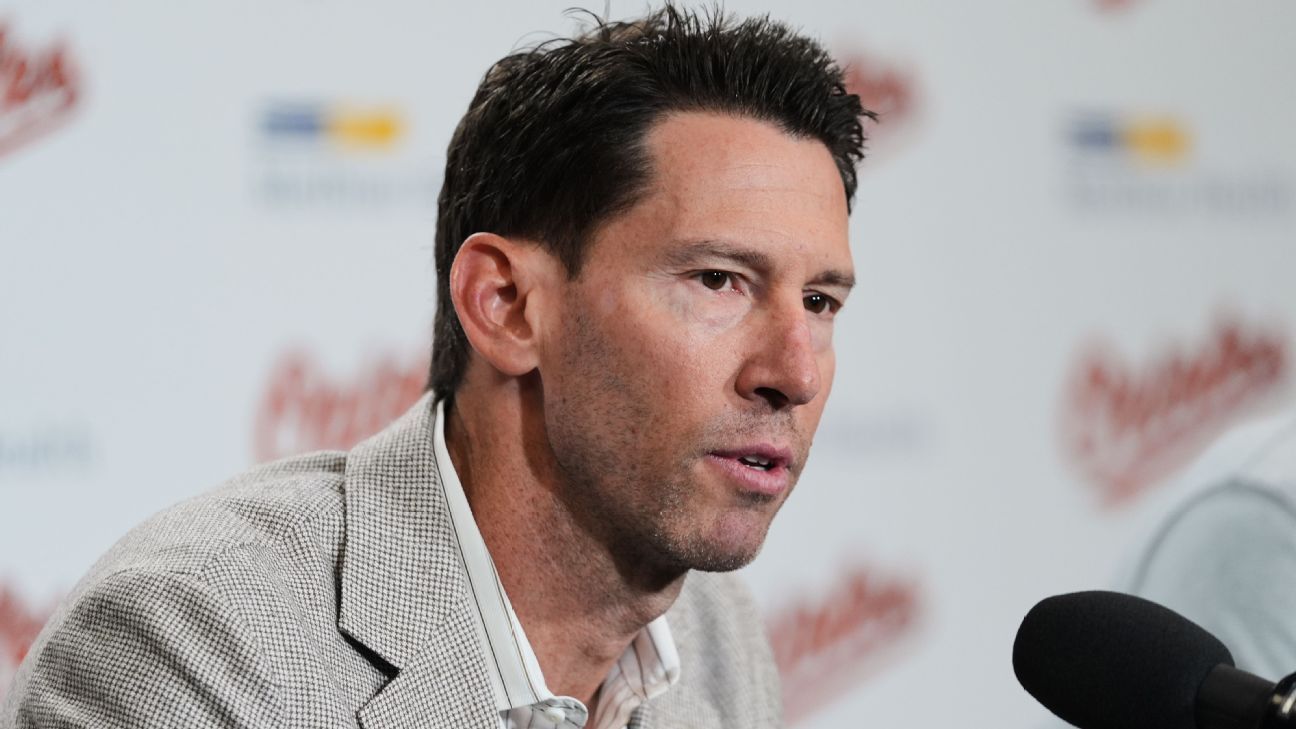
As ESPN reported, Boston Red Sox chief baseball officer Craig Breslow is doing damage control after firing manager Alex Cora and five coaches in a move that blindsided the roster. Veteran shortstop Trevor Story publicly questioned "the true direction of the franchise," and reliever Garrett Whitlock noted Breslow didn't allow questions during the team meeting where the news was delivered. Boston has gone 2-0 since the dismissal, including a 5-0 blanking in Toronto, but a winning streak is not the same thing as a healed locker room.
The mechanics of this situation matter. Breslow's meeting style — information delivered, no Q&A, move on — is exactly the kind of top-down management that erodes trust with veteran players who expect organizational transparency. Story's follow-up conversation with Breslow and his diplomatic "part of the process" quote to NESN suggests the two reached a détente, not a resolution. When a franchise cornerstone is moved to reassure the front office rather than the other way around, that's an organizational inversion. Craig Breslow may have the title, but Trevor Story has the locker room — and right now, Breslow is the one working to win it back.
What makes this operationally significant is timing. The Red Sox fired Cora in late April with 130-plus games still to play, installing an interim structure mid-season. Interim managers carry none of the institutional authority that a full-time skipper builds over an offseason. Players are calculating — consciously or not — how much to invest in a system that just demonstrated it will move fast and communicate poorly. That cognitive load has real performance implications, particularly for veterans in counting-stat roles who thrive in stable environments.
For bettors, the angle here isn't tonight's line — Boston can absolutely play well for a week on adrenaline and chaos energy. The signal is in the medium-term team total and individual player props for Story specifically. He's a .260-range hitter whose value is almost entirely tied to plate appearances and RBI opportunities in the middle of a functional lineup. A player who is publicly processing organizational disillusionment — even one who says the right things afterward — historically shows degraded plate discipline and exit velocity in the three-to-four weeks following high-stress clubhouse events. With Story's RBI and hits props currently priced off his surface-level production, there's value in fading those numbers over the next 15-game stretch. Boston's team totals also deserve scrutiny: interim managers lean conservative, bullpens get overworked in the adjustment period, and an unsettled lineup construction can depress run production even when individual talent is present.
The Red Sox roster has enough talent to stay afloat in the standings while this plays out. But "afloat" and "efficient" are different things at the betting window. Books are pricing Boston off results; sharp money should be pricing them off process — and right now, the process is fractured.