Runner Interference Ends Pirates Collapse in Colorado; Execution Failure Extends Losing Streak
By PropBetEdge Editorial Team ·
Pittsburgh's inability to convert late-inning opportunities—capped by a bizarre ninth-inning interference call—has now cost them ten losses in fourteen games and pushed playoff odds further into the red.
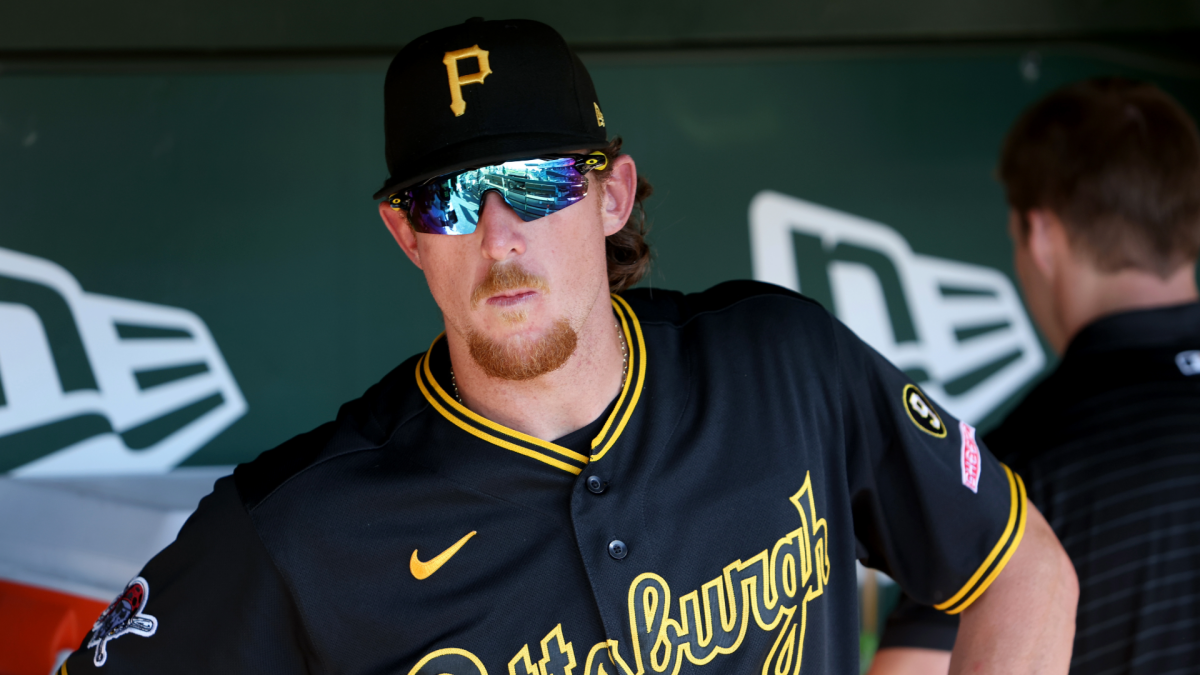
The Pirates' postseason window is actively closing. After loading the bases with one out in the ninth inning on Saturday at Coors Field, Pittsburgh saw Billy Cook ruled out on runner interference when his cleat made contact with Rockies third baseman Kyle Karros' glove, ending a 2-1 loss that extended their skid to 10 losses in 14 games. The contact was marginal—a barely-perceptible nudge on replay that nonetheless met the technical threshold of Rule 6.01—but in a season where every elimination game matters, the outcome was unambiguous: Pittsburgh left another baserunner stranded in a high-leverage spot.
The frustration cuts deeper than a single bizarre call. This was Pittsburgh's second consecutive night squandering a bases-loaded opportunity in Colorado. On Friday, the Pirates failed to score with the bases full and no outs, surrendering a strikeout and a double play. Saturday's scenario offered a second chance at a dramatic finish. Instead, Cook struck out before his interference ended the inning and the game. The Pirates are now 38-39, two games behind the third wild-card spot with five teams occupying the space between them and October. The mathematics have turned hostile. Wins are no longer optional; execution failures are no longer recoverable.
Colorado's 30-47 record masks a team that has genuinely improved its institutional competence from the catastrophic 17-60 start that preceded it. Saturday's win came without drama or heroics—the Rockies simply won a low-scoring contest in an environment where runs typically inflate. The Coors Factor typically inflates both team totals and overs; a 2-1 final is statistically improbable in Denver, which makes the Pirates' inability to capitalize on a late ninth-inning opportunity even more damaging to their postseason probability.
From a betting perspective, Pittsburgh's collapse carries immediate implications for moneyline volatility and team total underestimation. The Pirates' late-inning execution has deteriorated measurably: they've now stranded 18 baserunners over Friday and Saturday combined while batting in high-leverage situations (runners in scoring position with fewer than two outs). Teams with this pattern of failure in critical spots typically see their unders strengthen in subsequent games, not because of talent decline but because of sequencing—managers become more conservative, hitters press, and the margin for error compresses further when every game functions as a de facto playoff game. Pittsburgh's next five games against teams with winning records should generate inflated under prices, as market-makers will anticipate continued offensive sputtering in close contests. The mechanism isn't talent; it's survival pressure distorting approach.
Moneyline shoppers targeting the Pirates should demand significant plus-money prices for the next week to account for the deteriorating mental state that accompanies consecutive bases-loaded failures. Fade their team totals at standard pricing; the underlying issue isn't lineup construction, it's execution timing, and that corrects faster than most injuries or roster changes. The Rockies' modest improvement is real—going from 17-60 to 30-47 is a 58-win pace over 162 games—but Saturday's win matters less than what it cost Pittsburgh: another game they cannot get back.