Braves Momentum Meets Pirates' Offensive Ceiling in Thursday Afternoon Matchup
By PropBetEdge Editorial Team ·
Atlanta's mid-week breakthrough against Pittsburgh sets up a road test where the over has structural support, but the moneyline value hinges on pitcher matchup depth.
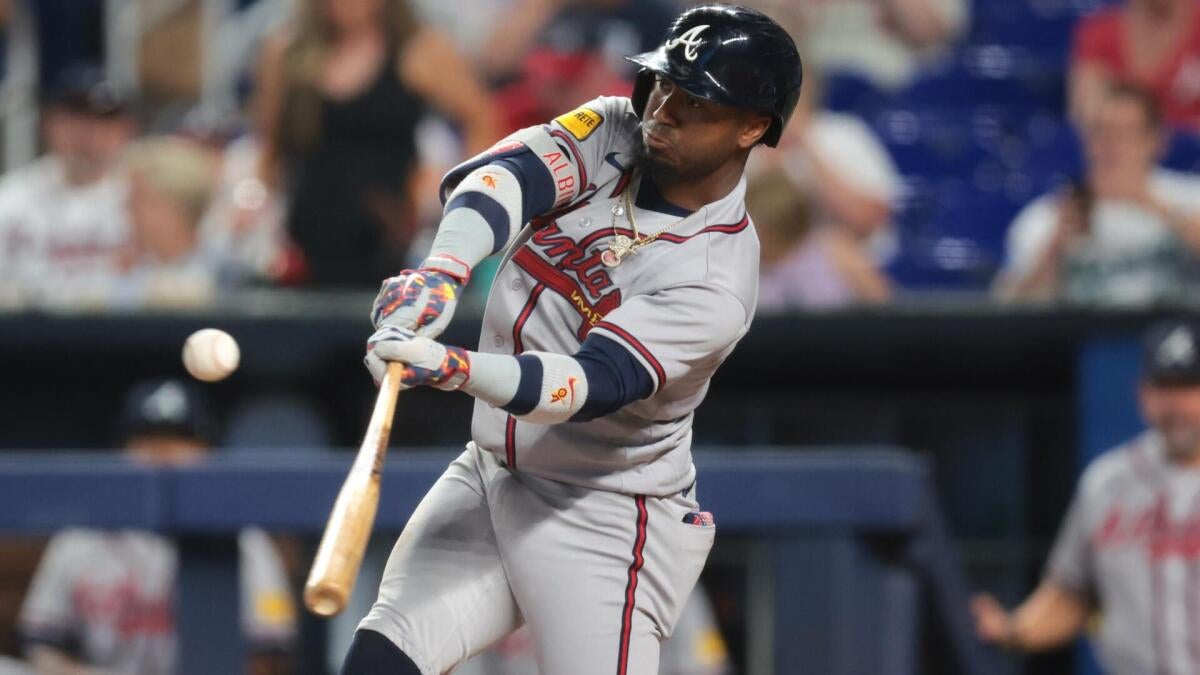
The Braves arrive at PNC Park on Thursday afternoon with fresh momentum from Wednesday's shutout, snapping a three-game slide and positioning themselves to secure the series. Atlanta (53-38) holds the NL East lead and carries a 9-5 record against Pittsburgh over their last 14 meetings—a head-to-head edge that matters in low-total games where variance compresses outcomes. The Pirates (47-46) sit fourth in the Central with a 24-23 home record, neither strong enough to project confidence nor weak enough to suggest they're priced in extreme value territory.
The over/under sits at 9 runs, and the model's projection of 9.7 combined runs carries genuine analytical weight. The over has cashed in three of the last five direct matchups and in 26 of Atlanta's previous 46 road contests—that last figure is material. Pittsburgh's 47-46 mark in its last 93 games and exactly break-even over/under record at home this season suggests the Pirates neither suppress nor inflate scoring; they're functionally neutral. The real driver here isn't team quality but offensive composition. Both lineups project to exceed 1.4 total bases per batter in multiple positions, which translates to a distributional shift toward extra-base hits rather than dead-ball contact. That changes the run-scoring efficiency slope—more power means better conversion of baserunners into runs, pushing 9 runs from a neutral expectation into genuine over territory.
Atlanta's road form (26-20) masks a deeper pattern: the Braves score 4.8 runs per game away from Truist Park but allow only 3.9. That differential is unusually positive for a road team, suggesting their pitching profile travels better than their offense—a rare structural advantage that compressed totals can mask. If both starters are replacement-level or injured early, bullpen leverage flip the script. The Pirates haven't published rotation depth effectively, which introduces variance risk on the moneyline; Atlanta's -118 price assumes certainty about Atlanta's starter that may not exist.
The moneyline angle requires starter confirmation before the first pitch. If both teams deploy expected rotation arms and the Braves' starter projects to a sub-4.00 ERA, the -118 price is defensible given Atlanta's road efficiency and head-to-head advantage. But if Atlanta's pitcher is making a spot start or returning from injury, the number has no margin; take it off the board until you confirm the arm. The over at 9 runs, by contrast, survives most rotation combinations because the mechanism is lineup-based, not pitcher-dependent. Braves road efficiency + Pirates' neutral-to-permissive scoring environment + both offenses trending toward power rather than contact = 9.7 projected runs is the analytical floor, not a ceiling.