MLB · lineup
Braves Six-Man Rotation Signals Depth Bet—and Workload Risk for Smith-Shawver
Atlanta's shift to a six-man rotation with AJ Smith-Shawver's call-up solves a roster crunch but creates a fragile pitching timeline heading into the stretch run.
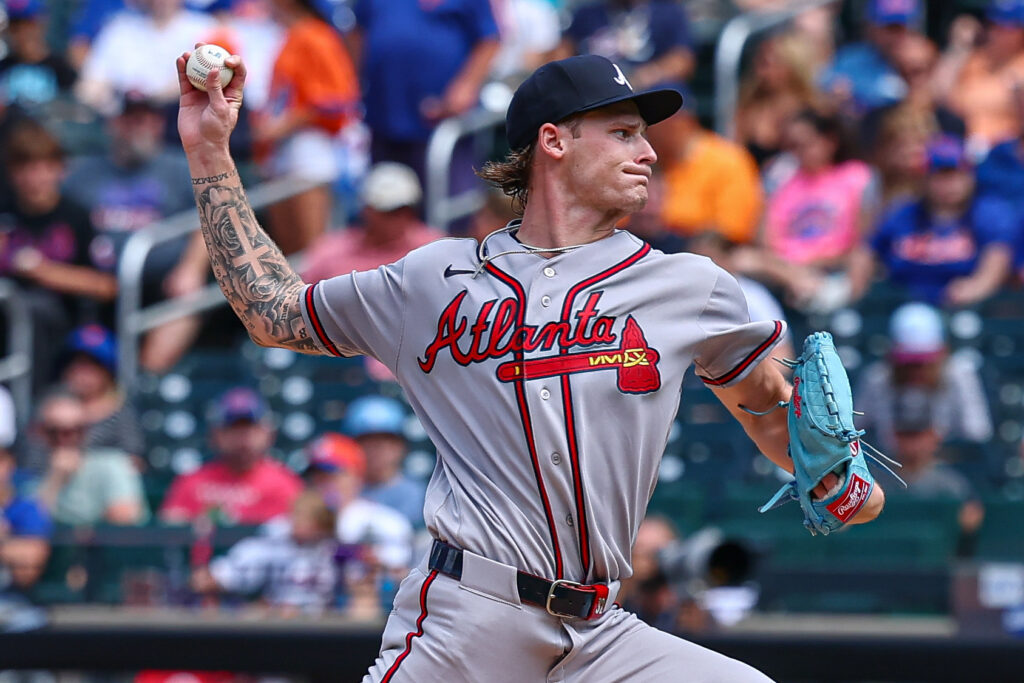
The Braves activated right-hander AJ Smith-Shawver on Wednesday, August 19, moving to a six-man rotation and bumping reliever Tyler Kinley to clear a roster spot. Smith-Shawver drew the start that same day against Minnesota, having tossed 95 pitches across 5-plus innings in his most recent Triple-A Gwinnett appearance—enough sequencing work to theoretically stretch into a big-league start.
Temporary rotations, though, have a way of becoming permanent injuries. The math is straightforward: six starters sharing load over a 162-game season means each pitcher gets four days' rest instead of four—a single day's compression that accumulates fast. For a young arm like Smith-Shawver, that's not runway; it's countdown. Triple-A ramp-ups don't always translate to MLB durability, especially when a pitcher is asked to maintain velocity and command on reduced recovery windows.
Atlanta's pitching staff has absorbed wear throughout the summer. The six-man move suggests the front office is gambling that Smith-Shawver's call-up creates enough breathing room for the rotation's established arms (and their health) to survive the final stretch. But confidence in durability is different from built-in safety. If any of the primary four falter—injury, mechanical degradation, or simple fatigue—the Braves revert to a three-man de facto rotation within days, exactly the scenario that prompted the six-man pivot.
For prop bettors, this setup creates two opposing signals. Smith-Shawver's strikeout rate—if he profiles as a high-velocity, high-spin option—could look attractive in short-term K props on his next few starts, when usage is highest and his body hasn't yet absorbed the stretch-run grind. But fade any season-long or multi-start props on Braves starting pitchers' availability or innings volume. The rotation structure is brittle. Any spike in opponent scoring or ERA within the Braves' starter pool signals that the six-man design is already cracking, and a reversion to overuse—and injury risk—is imminent.
The real edge is in Twins-Braves game lines over the next week. If the market hasn't yet priced the volatility of a young call-up making his debut on short notice against a division rival, early underdog pricing on Minnesota carries value. Smith-Shawver's 95-pitch outing in the minors doesn't guarantee seamless transition; live MLB hitters will test that readiness immediately.
MLB Intelligence — Baseball intelligence beyond the box score. Open MLB Intelligence →