Baldwin's Oblique Strain Dismantles Atlanta's Catcher Production and Tilts Team Totals Sharply Downward
By Ty Whitney ·
The Braves lose their most potent offensive threat behind the plate mid-season, forcing a significant recalibration of offensive output and lineup construction.
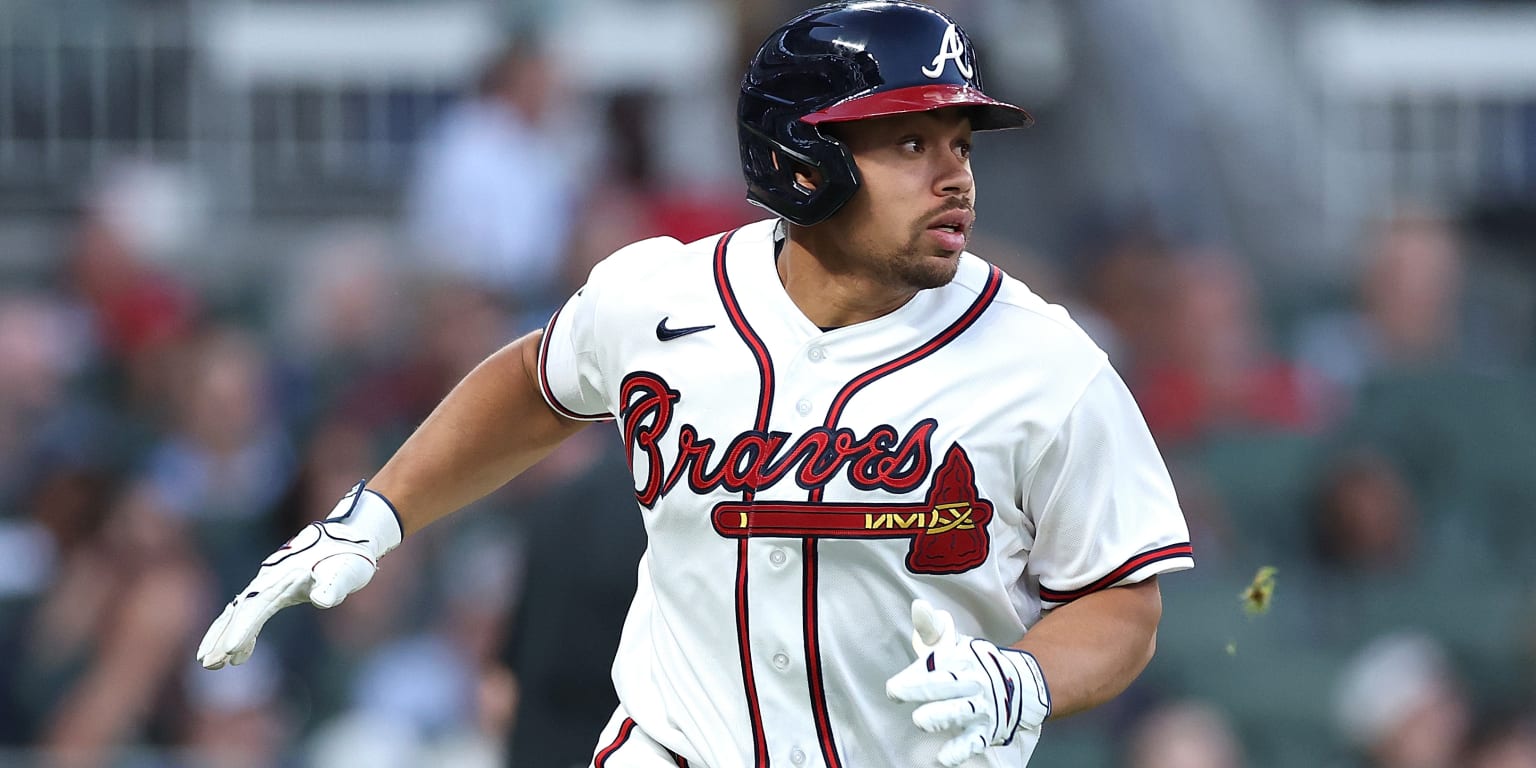
Drake Baldwin, the NL Rookie of the Year and the majors' home-run leader among catchers with 13 homers in just 48 games, landed on the 10-day injured list Tuesday morning with a right oblique strain. He exited Monday's 12-0 loss to Miami after lining out in the sixth inning—a seemingly routine exit that has now created a cascading roster problem for the Braves offense.
The oblique injury is neither minor nor quick. Muscle tears in that region typically sideline players for a minimum of 2-3 weeks, and catchers face compounded recovery timelines because the position demands explosive core engagement on every swing, throw, and crouch cycle. Baldwin's injury profile—a player in his second season carrying a 2.2 bWAR burden with a .932 OPS and .543 slugging percentage, second only to Matt Olson in offensive impact—means Atlanta's lineup loses not just production volume but a specific type of power threat that has been disproportionately difficult to replace.
The Braves elevated Chadwick Tromp, a journeyman catcher with a career .291 on-base percentage, to fill the void. Tromp carries a .614 OPS and has never demonstrated the consistency or power ceiling Baldwin brings. Structurally, this is a drop from elite to replacement-level offensive output at a position already thin in the lineup. Atlanta's team total projections, which priced Baldwin's consistent 48-game pace of production, now face an immediate compression: his expected contributions (roughly 1.2 runs per game based on his seasonal pace and position leverage) evaporate overnight.
The betting mechanism is straightforward. Sportsbooks will adjust Atlanta's team totals downward—likely by 0.3 to 0.5 runs per game for the duration of Baldwin's absence. However, the first-mover advantage lies with bettors who identify that the initial adjustment underestimates the specificity of what Baldwin provided. He wasn't a +0.3 run/game player; he was a power-spike catalyst who concentrated value in extra-base hits and RBI situations. Tromp's inability to replicate that profile means Braves games will feature fewer home runs and fewer runners in scoring position conversion opportunities. Teams that faced Baldwin knew he could change games in a single swing; teams facing Tromp face a catcher who grounds into contact and rarely extends counts.
For the next 14-21 days, unders on Atlanta's team total at pre-injury line levels carry significant value. The market will correct, but the initial correction often trails the true impact by a half-run or more. Fade any Braves overs priced at yesteryear's numbers; lean unders against teams with even average pitching for the immediate window.