Braves Swap Catchers in Lateral Move That Changes Little
By PropBetEdge Editorial Team ·
Atlanta trades for Austin Wynns and designates Chadwick Tromp, but neither backstop offers offensive upside that moves the needle on betting lines.
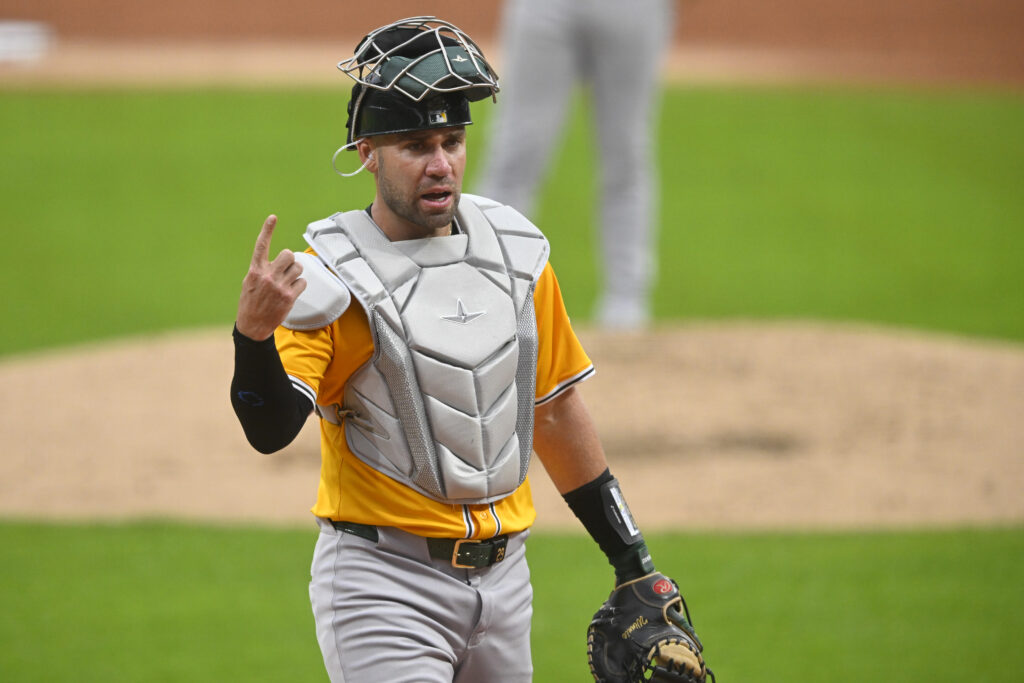
The Braves made a quiet roster move Thursday, acquiring veteran catcher Austin Wynns from the Angels in exchange for cash and designating Chadwick Tromp for assignment. On the surface, it reads as organizational tinkering—swapping one marginal offensive producer for another. But the transaction signals something worth noting: Atlanta is making a calculated bet that Wynns' experience and framing value outweigh his bat, which has been a liability throughout his career.
Wynns arrives with a career batting average below .100 in limited at-bats—a stat that would normally disqualify a player from regular roster consideration. Tromp, the incumbent, carries similar offensive credentials; neither is positioned to drive scoring or pull games over offensive totals. The decision to move on from Tromp rather than keep a younger option suggests the Braves are prioritizing pitch management and game-calling over lineup construction, a choice that reflects their pitching-first organizational philosophy but says nothing about their offensive ambitions.
For bettors, the practical impact is minimal. Neither catcher figures to see enough plate appearances to materially influence team total lines or individual performance props. The Braves' offensive ceiling remains determined by their position players and the health of their core—this move is a footnote, not a pivot. If Atlanta's pitching staff was already valued into the market, Wynns' presence doesn't materially change that calculation. Tromp's DFA removes a backup option but not a performer who was driving wins.
The real takeaway is organizational clarity: the Braves are comfortable with defensive/game-management specialists behind the plate, even when they offer virtually nothing at the plate. This is consistent with their recent roster behavior and doesn't represent a shift in how to model their offensive output. Team totals, run lines, and position-player props operate independently of this swap. Monitor whether the move correlates with any changes in pitching usage (more aggressive pitch selection, higher strikeout rates) over the next two weeks, but that's speculation until data emerges.