Bradley's Four-Start Surge Positions Twins as Viable All-Star Break Darkhorse
By Ty Whitney ·
Taj Bradley has rebuilt his season in real time, and Minnesota's timing into the break matters for playoff positioning.
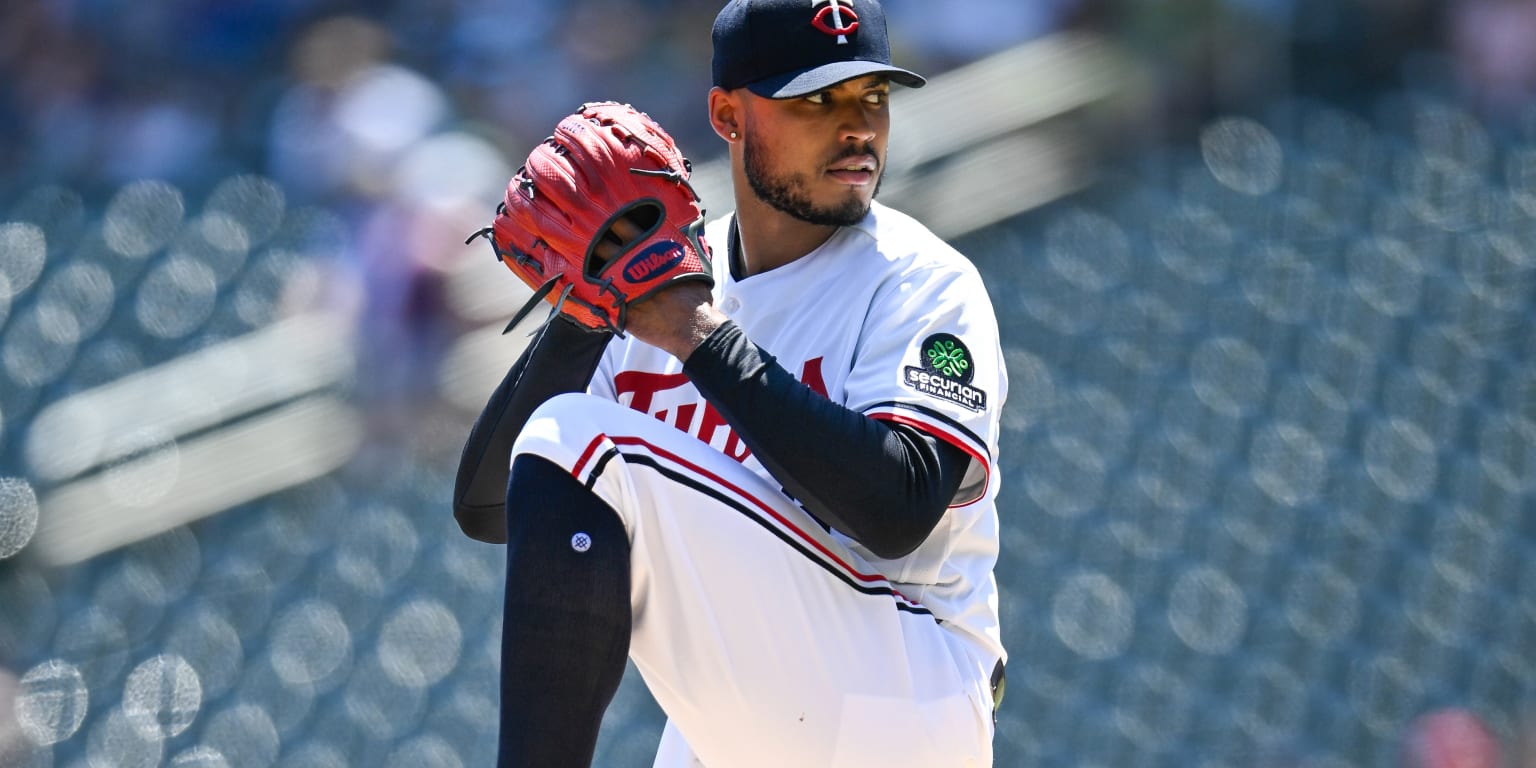
Taj Bradley entered Sunday against Los Angeles operating at a level he hadn't sustained since April. Over his previous four starts, the right-hander carried a 2.25 ERA and 0.88 WHIP while striking out 32 and walking just eight across 24 innings. Against the Angels, he extended that form with seven innings of two-run ball on six hits and two walks, fanning six in a 4-2 Twins victory that pushed Minnesota to 48-49 heading into the All-Star break.
The context here matters. Bradley's mid-season resurgence wasn't accidental—it represents a deliberate correction after what was clearly a rough stretch in May and June. A 2.25 ERA over 24 innings demonstrates control and efficiency, not a single-game spike. The 32 strikeouts against eight walks over that window (a 4:1 ratio) suggests he's regained command of his fastball-slider mix, not just caught the Angels unprepared. His ability to navigate traffic—allowing six hits but keeping runs to two across seven innings—shows he's limiting hard contact, not just getting lucky.
Minnesota's position entering the break is equally significant. At 48-49, one game below .500 with three games remaining before the break, the Twins are three games back in the AL Central but occupy the third Wild Card slot. That's a volatile position: they can gain ground on a weak division or lose it in a hurry if the pitching doesn't hold. Bradley's recent form is the ballast. If he maintains this 2.25-ERA trajectory through his next five starts post-break, the Twins' implied run differential shifts sharply upward, and so does their expected win total down the stretch.
From a prop standpoint, Bradley's strikeout volume becomes actionable. His 32 K's over four starts is 8 per start, but that masks the efficiency of the outing—he's doing it with fewer pitches and fewer innings in blowout-friendly game states rather than grinding through close contests. His strikeout prop for his first post-break start (likely late July) should be priced to his season average rather than this recent hot streak, creating a fade opportunity if the line sits at 7.5 or higher. The Angels have a bottom-ten strikeout rate; facing a team with elite whiff rates would reset the line upward, but his next opponent may not provide that setup. Conversely, if he draws a strikeout-heavy lineup in his return, the under at 7.5-8.0 K's presents value because the line will be anchored to his brutal May-June stretch rather than the recent four-start reprieve.
The Twins' team total in their first post-break game carries similar logic. If Bradley's ERA over four starts (2.25) holds as a true-talent marker rather than noise, games he starts should lean toward unders on Minnesota's team total if priced at 4.5 or higher. Bradley giving up two runs shifts the offensive burden down; a team generating 4.5 runs against a league-average opponent assumes a 2-run pitching line and a +1.5 run offensive cushion. The Twins averaged 3.8 runs per game in June; that's not the profile of a 4.5-run team. Lean unders in games Bradley starts through August if Minnesota's total sits at 4.5 or above.