Blue Jays Crack Skenes' Formula: Grind, Move Runners, Capitalize on Mistakes
By Ty Whitney ·
Toronto's 5-2 victory over Pittsburgh exposed a blueprint for attacking elite pitching: contact over power, situational execution, and relentless at-bat discipline.
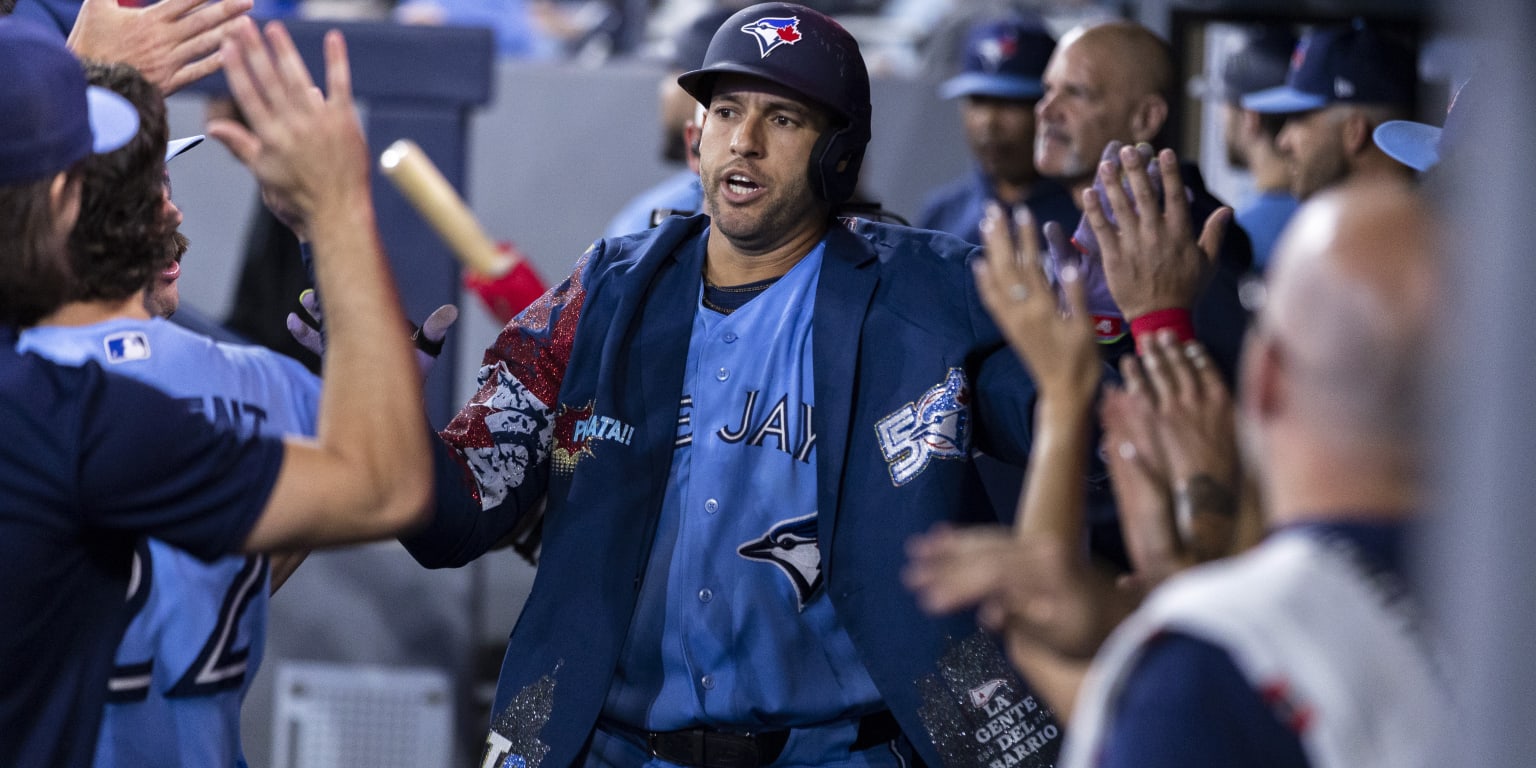
The Blue Jays beat Paul Skenes on Saturday by abandoning the illusion that they could overpower him. Manager John Schneider framed the assignment plainly: a "hard-hat and lunch-pail day" against a pitcher who doesn't gift you anything. Skenes entered with an elite skill set—arm-side run on fastballs, plus-plus stuff—and an 11.8 K/9 rate that silences most lineups. Toronto's answer wasn't heroic swings; it was grinding at-bats, working counts, and executing on the narrow windows when the best pitcher on the planet left pitches catchable.
George Springer set the tone immediately, taking a calculated hack on the first pitch before turning on a 98.7 mph fastball for a solo homer—Springer's hardest exit off any pitch since July 2022. But the real statement came later. In the sixth inning, the Blue Jays strung together singles and a double off Skenes, piling four runs without relying on a big fly. They forced him to work 5+ innings while scattering nine hits and generating only two strikeouts—both exceptional numbers against an ace. "It's not easy to rack up nine hits off of him and keep your strikeouts down," Schneider said. The math reveals the operational shift: this Toronto team lacks the home-run pop of its 2025 roster, so it's leaning into contact rate, baserunning aggression, and situational hitting.
For bettors tracking Skenes going forward, this game resets expectations. He allowed four runs—a pedestrian line for an elite starter—but the mechanism wasn't luck. The Blue Jays specifically targeted his early-pitch fastballs in hitter's counts and manufactured runs via small ball when Skenes entered the zone too often in the sixth. His strikeout rate (2 K in 100+ pitches) signals he was elevated in the zone and forced to pitch to contact, not above it. Against disciplined lineups that refuse to chase, Skenes' K/9 compresses because his margin for error vanishes. The Pirates' right-hander remains an elite talent, but Saturday exposed that even his stuff has scalability: opponents who accept lower batting averages in exchange for contact and patience can trim his whiff rate and manufacture enough offense to compete.
The Blue Jays' own outlook improves meaningfully if this execution becomes repeatable. A lineup that can string nine hits off Skenes while minimizing strikeouts has uncovered a tactical identity that doesn't depend on home runs. This matters for team-total construction: if Toronto sustains this contact-first, situational approach against other elite arms, the under on their run totals becomes less attractive than it appeared early season. Schneider's team is learning to compete within constraints, and that usually precedes a run production spike. For now, fade aggressive overs on Blue Jays team totals—this offense has a pulse, and it doesn't require three-run homers to register.