Blue Jays Deadline Strategy Shifts: Sellers Pivoting Toward Controlled Assets
By PropBetEdge Editorial Team ·
Toronto's trade posture at the deadline isn't a full teardown—it's a recalibration that prioritizes 2027 contention over 2026 rental rentals.
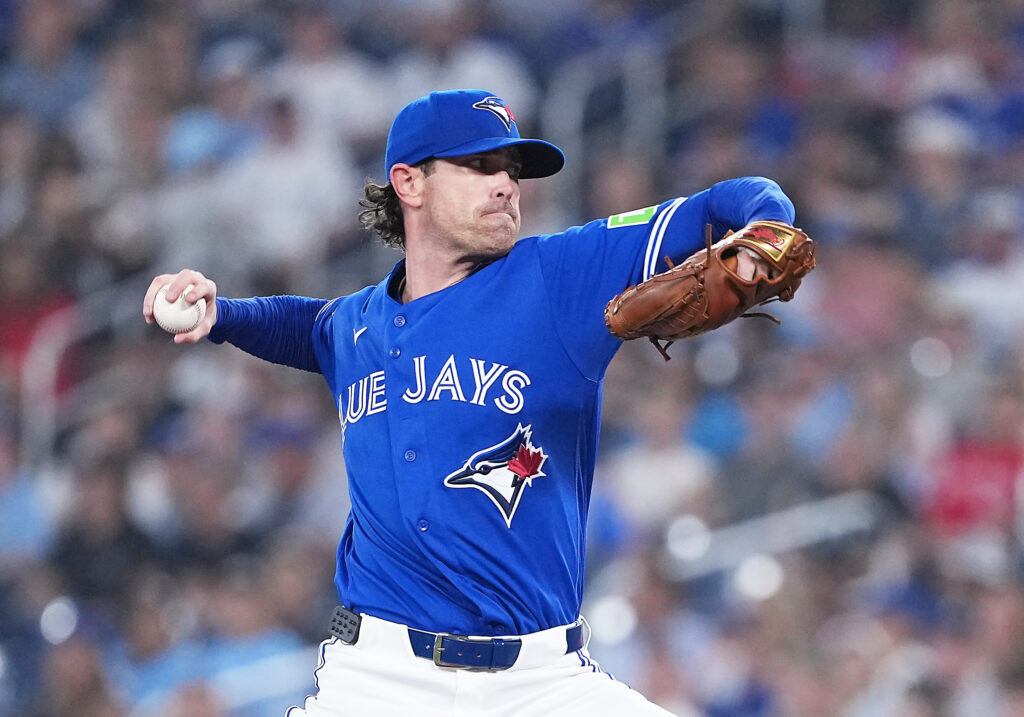
The Blue Jays beat the Cardinals 3-1 on Thursday and are now within 4.5 games of the AL's final Wild Card spot, a mathematical lifeline that masks their actual position: eight games under .500 with six teams still ahead of them in the race. That gap is wide enough that ownership and front office have signaled they will move rental-contract players before Tuesday's deadline. But here's where the reporting shifts into a more nuanced reality. Toronto is not liquidating for future capital alone. They are actively open to adding players whose contracts extend beyond 2026—a posture that tells you the organization has mentally moved past this season without punting the next one.
This dual-track approach matters for understanding deadline pricing. A team selling only rentals signals panic to the market; the buyer knows desperation and will lowball. A team selling rentals while simultaneously shopping for controlled talent sends a different message: we're being strategic, not forced. Gausman and Varsho, the names already circulating in trade speculation, are mid-contract pieces with multiple years of control remaining. If Toronto moves them, it will be because the return includes not just prospects but also players already locked in for 2027. That changes the leverage dynamic entirely. The Jays aren't accepting whatever offers come in; they're filtering for assets that extend the window.
The win over St. Louis is operationally neutral—one game doesn't shift a seller's hand 24 hours before the deadline closes. What matters is the declaration itself. By publicly committing to both a sale and a selective buy, the front office is signaling that the 2026 season is a sunk cost, but the franchise's viability is not. This is a bifurcated deadline, and it has immediate effects on team-total pricing and win-probability math for remaining July and August games.
For bettors, the signal is clear: Blue Jays win totals and game spreads will reflect roster flux over the next 10 days. Any departures (Gausman, Varsho, or other controllable assets) will weaken the lineup and rotation nominally, but only if the incoming compensation is marginal. If Toronto uses its leverage to acquire a bona fide 2027 pitcher or hitter, the short-term offensive output stays flatter than casual bettors might expect. The market will price in the departure but not necessarily the replacement value. Look for unders on Blue Jays team totals in games immediately following announced trades; the book will overshoot the impact of losing a familiar name and undershoot the stabilizing effect of adding a useful piece under long-term control. The angle is temporary—it fades once the full roster picture settles—but in the 48 to 72 hours after a major trade, there's typically a lag between narrative ("Jays losing Gausman") and realized run-scoring ("Jays got decent depth back").
Moneyline prices will also swing unnecessarily wide during the selling period. A loss immediately after a trade announcement will be attributed to the transaction, not to variance. Lean overs on Blue Jays team totals and moneyline value once the roster stabilizes on Wednesday.