Sean Keys' Call-Up Signals Blue Jays' Power Pivot—and Why His Debut Carries Real Offensive Gravity
By PropBetEdge Editorial Team ·
Toronto is so starved for home run production that it's rolling the dice on a 23-year-old prospect with legitimate pop in a meaningful at-bat.
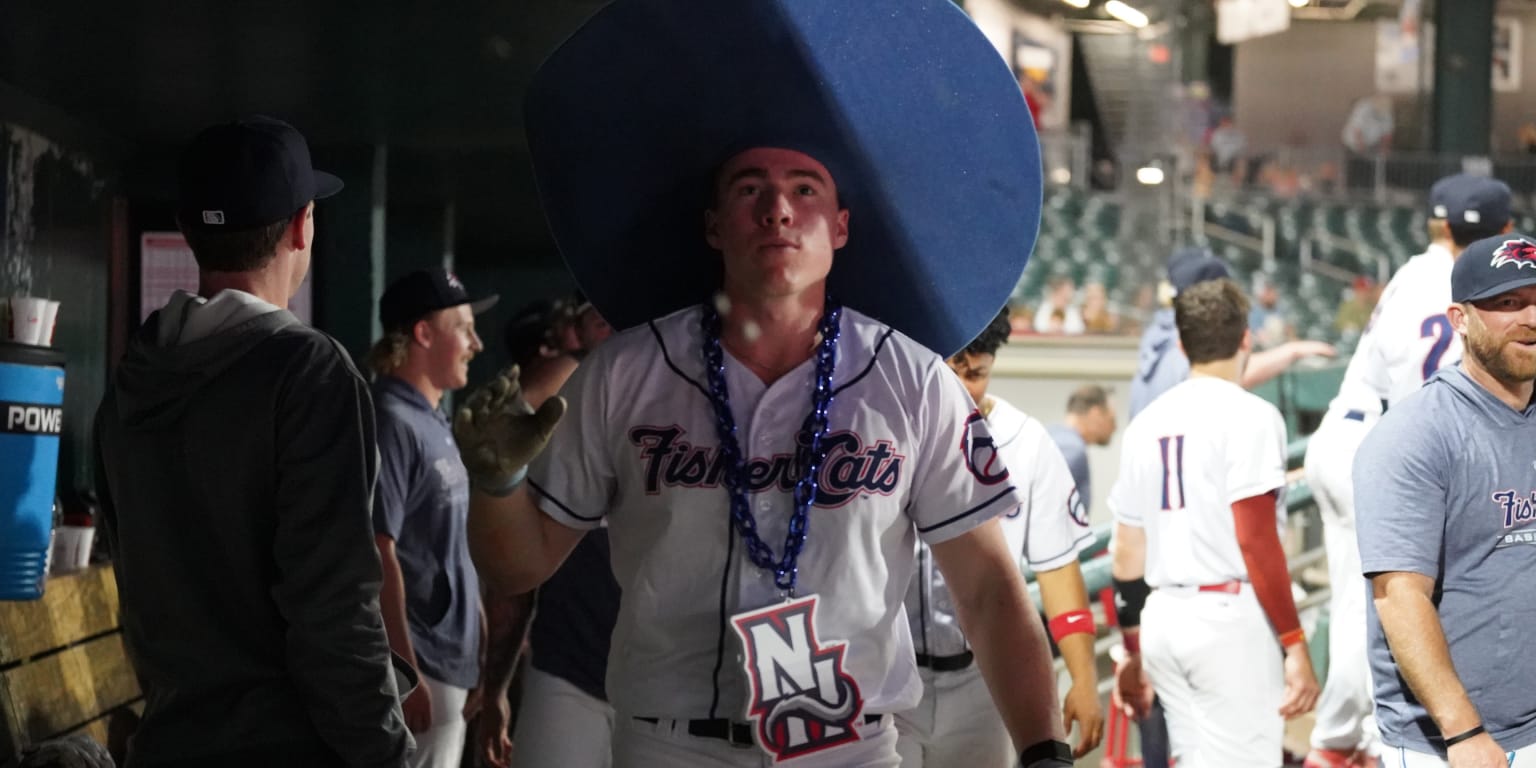
The Blue Jays promoted infielder Sean Keys to the major league roster on Saturday, inserting the 23-year-old into the third game of their four-game set against Texas at Rogers Centre. Keys, the team's 14th-ranked prospect, will bat sixth and play first base—a concrete statement that Toronto's front office sees him as an immediate offensive upgrade, not a developmental assignment.
Context matters here. Toronto enters the weekend ranked 22nd in home runs league-wide with 83 through June, a meaningful gap for a franchise that needs to close it. Keys has earned the look through volume and profile. Across 67 minor league games split between Double-A New Hampshire and Triple-A Buffalo, he's slashed .284/.403/.719 with 21 home runs and 54 RBIs. The more predictive number: since his June 5 promotion to Buffalo, Keys has posted a .719 slugging percentage with seven homers in 18 games—that's pace-adjusted roughly a 51-homer season at the triple-A level. Manager John Schneider saw Keys operate during Spring Training, where the 2024 fourth-round draft pick out of Bucknell impressed through Spring Training at-bats. Schneider has already remarked on the legitimacy of his power stroke.
The positional fit remains unresolved—Vladimir Guerrero Jr. and Kazuma Okamoto are locked into the corners—but that's a luxury problem. General manager Ross Atkins signaled the logic plainly: "There's always a place for really good offensive players." What Keys provides in the near term is straightforward: he profiles as a right-handed bat with legitimate exit velocity who can slot into the lineup immediately and test whether his triple-A production translates. The Blue Jays aren't waiting to see if he'll eventually move to the outfield; they're betting that the power is real enough to make positional questions secondary.
For prop purposes, the immediate angle is Keys' team total impact. Toronto's team total sits in the mid-4s for runs in most matchups, and the club has underperformed on the offensive side all season. Keys' debut in game three of the series introduces a variable that sportsbooks already priced into the opening number—but the key question is whether his presence changes the expected offensive profile going forward. If Keys hits in a meaningful percentage of at-bats over his next 10-15 games (he's batting sixth, so regular opportunities are locked in), team totals should edge higher than they would have without him. The books will adjust within 48 hours; the edge exists tonight if you're betting the Rangers series at numbers that don't yet reflect a credible new power source in the Toronto lineup.
Keys is a single-event call-up that carries execution risk—he's never faced big league velocity—but from a Toronto offense perspective, he's an unambiguous upgrade on the marginal at-bat. Watch how aggressively the market reprices the team total after his debut. That movement will tell you whether the betting public already priced in his arrival or whether his actual performance (hits, home runs, RBIs) gives you a line advantage in games two and three of the series.