Blue Jays Pivot to Pitching Depth While Varsho Exits; Market Overvaluing Short-Term Rotation Risk
By Erik Schwartz ·
Toronto trades a declining outfielder for controllable starting arm depth, but Arrighetti's injury status and command profile leave near-term strikeout expectations inflated.
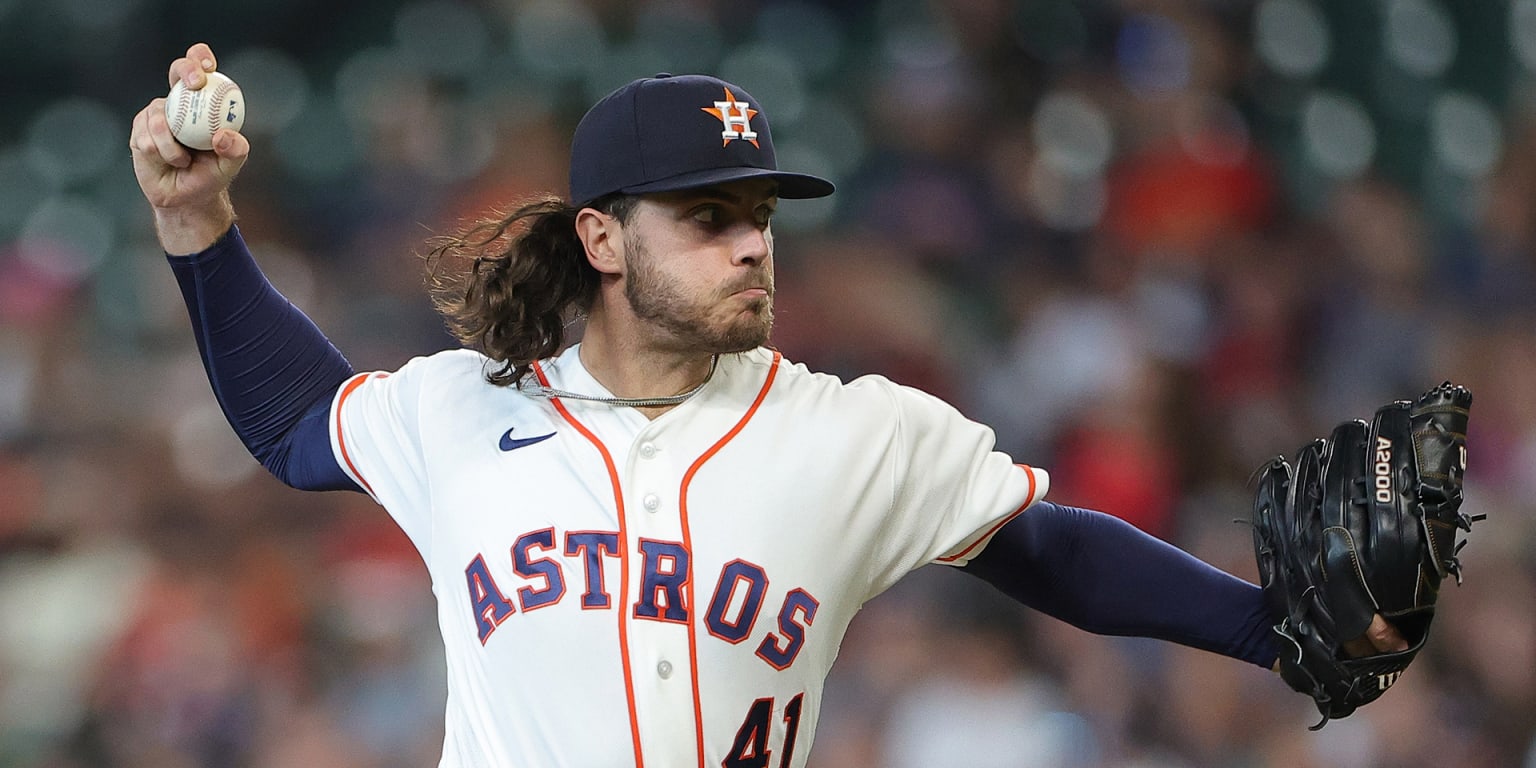
The Blue Jays completed their second major trade Monday, sending Daulton Varsho to Houston for 26-year-old RHP Spencer Arrighetti in a clear pivot away from contention and toward 2027 roster construction. The move arrives hours after Toronto landed José Soriano from the Angels—a rotation overhaul spanning two transactions on the same day, signaling front-office acknowledgment that this season's pitcher carousel has exhausted their depth options.
Varsho's exit underscores how far his performance has drifted from expectation. Acquired from Arizona in 2022 as a centerpiece swap (the Jays gave Gabriel Moreno and Lourdes Gurriel Jr.), Varsho entered 2026 as a contract-year candidate with Gold Glove-caliber defense. Instead, he's hit .243 with a .682 OPS and his defense has regressed—the opposite outcome of a player primed for free-agency leverage. By late afternoon Monday, he'd crossed the infield grass at Daikin Park in Houston and was available for the Astros' series opener the same evening. That speed of transition tells you the Jays saw no path to recovery and little trade leverage remaining.
Arrighetti arrives with upside but significant near-term constraints. The 26-year-old currently sits on the IL with right foot nerve irritation, though he's progressed to bullpen sessions and is expected to pitch again before season's end. His arsenal centers on a plus curveball; his fastball sits 93 mph—pedestrian by modern starter standards. More concerning for prop purposes: his walk rate has hovered at 5.1 BB/9 over the past two seasons, a mark that Toronto's coaching staff under Pete Walker will need to compress before Arrighetti becomes a reliable 200-inning option. Early strikeout projections on Arrighetti will likely overshoot his true hit-by-pitch and command profile given his injury status and the mechanical work ahead.
For prop bettors, the immediate temptation is to chase Arrighetti strikeout lines once he returns—a young, top-100 prospect who just landed in a stable pitching environment. Resist that impulse. Arrighetti's strikeout rate (9.2 K/9 in limited 2026 action) sits below the projection threshold that would justify aggressive overs on per-start props. His walk rate is the governing limiter: when he fails to command the zone, he induces fewer swings and misses, particularly against lineups that don't chase. The Blue Jays didn't trade for a strikeout machine; they traded for a controllable arm with three seasons of team control remaining. That's organizational patience, not a near-term production spike. Markets pricing Arrighetti as a league-average strikeout starter over his first two starts back will be overvaluing the runway before regression surfaces.
Toronto's broader rotation calculus—Cease, Soriano, Yesavage, Ponce, and now Arrighetti as the fifth-slot conversation—shows a front office building for 2027 as a reset year, not a 2026 salvage mission. Bettors should expect Arrighetti to operate with innings caps, spot starts, and a recalibration window that won't end until September at the earliest. Short-form strikeout props and team total overs should factor in that Arrighetti is a long-term construct, not immediate production help.