Chase Burns' Elite Efficiency Masks a Larger Reds Vulnerability
By Erik Schwartz ·
A dominant six-inning shutout from Burns and Bleday's two-homer barrage papered over a fragile bullpen and inconsistent run prevention that could cost Cincinnati in playoff-caliber matchups.
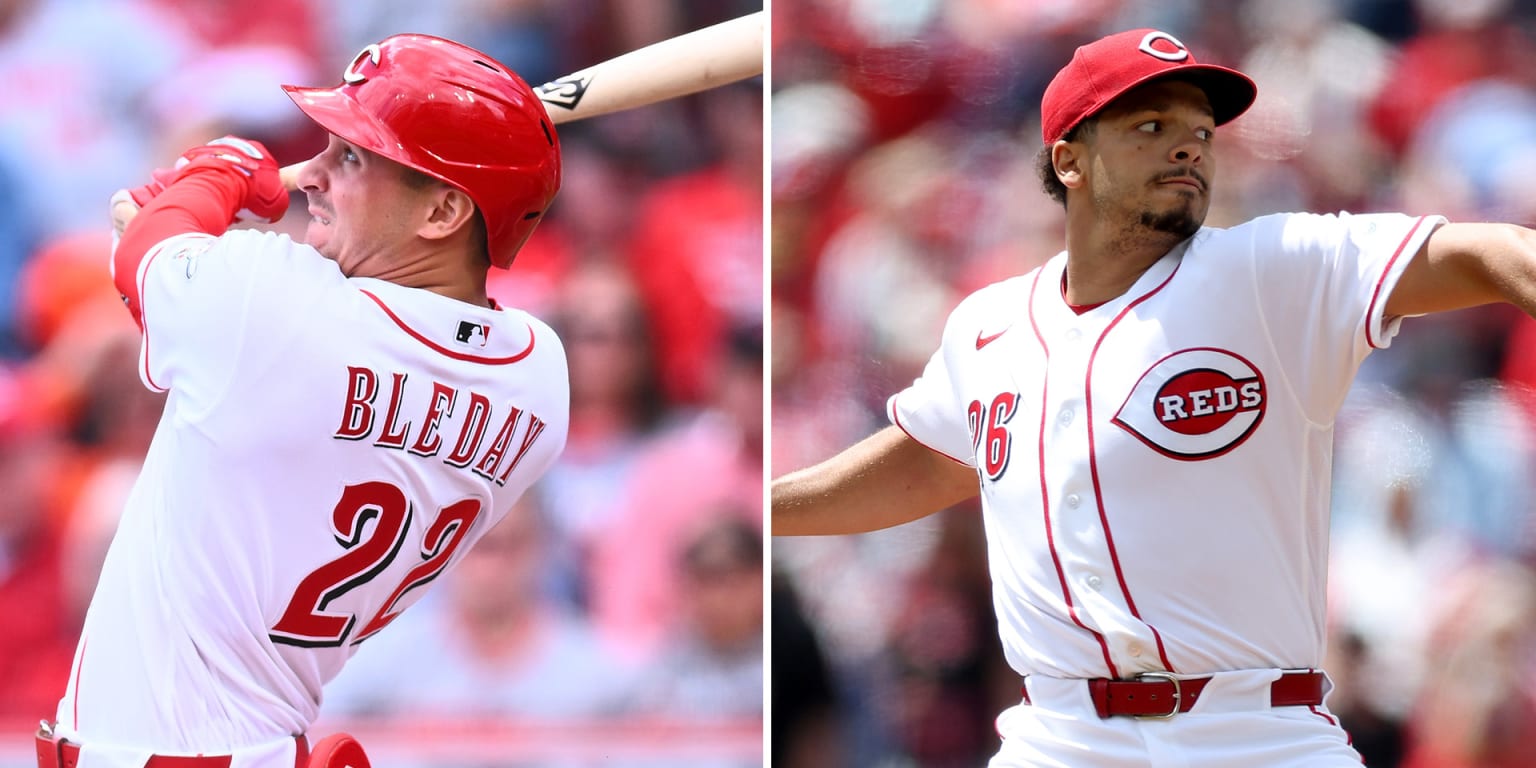
Chase Burns delivered the kind of performance that catches the eye on a box score: six scoreless innings, seven strikeouts, two hits, a 1.87 ERA after Thursday's blowout over Washington. The Reds' 15-1 dismantling of the Nationals came together on the back of that dominant pitching display and JJ Bleday's two-homer night—his three-run shot in the fifth essentially ended any suspense. Cincinnati's bats did early damage too, scoring six runs on two-outs in the second and fourth innings before Bleday's late-inning heroics. On the surface, this looks like the Reds operating at full efficiency: starting pitching that doesn't leak baserunners, run scoring that clusters in high-leverage spots, no wasted at-bats.
But the script tells a different story when you look at what actually happened. Foster Griffin lasted just 4⅓ innings for Washington, allowing nine runs on seven hits and walking three—numbers that spike when a team's defense or sequencing goes sideways early. The Nationals didn't lose this game to superior Reds talent; they lost it to a cascade of two-out mistakes that compounds pressure on a pitcher. Hayes drove a hanging sweeper down the line for two in the fourth. Trevino went up the middle with the bases full and two outs. Cincinnati didn't manufacture runs—they capitalized on Washington's control issues and poor execution in danger moments.
Burns is real and his trajectory is encouraging: eight of nine starts with two or fewer runs allowed, four straight outings of six-plus innings. That's a pitcher stabilizing at an elite contact rate and depth management. His 1.87 ERA is legitimately earned. Yet a 15-1 final score in late May—even against a weak lineup—creates a market perception problem for Cincinnati's implied quality. Books and public bettors will assume the Reds offense is humming when the reality is more conditional: they can punish mistakes and poor control, but they live or die on starting pitching depth. The bullpen still needs to cover three innings most nights, and that group has not been reliable in close games.
For prop betting purposes, Burns' strikeout floor is genuine and durable. His 7 K's Thursday, his ninth straight start with at least 6 K's, tracks to his underlying contact management—he's missing barrels, not getting lucky on batted balls. When he pitches again, strikeout props at or below 6.5 offer value for fading; the book has not fully priced his elite whiff rate. Bleday's two-homer performance, by contrast, is noise. He's a 25% strikeout hitter with a .280 ISO on the season. One explosive game doesn't move his hit rate or his xwOBA; the market will correctly ignore Thursday's result within a week. The angle here is Burns' runway into July, not Cincinnati's hitting profile reshuffling after one blowout.