Padres Rotation Gamble: Ray Arrives, But San Diego's Pitching Math Still Doesn't Add Up
By PropBetEdge Editorial Team ·
San Diego traded for a veteran arm to stabilize the rotation, but Michael King cannot shoulder a 50-game workload alone—and the math on deadline acquisitions reveals what the market still doesn't price.
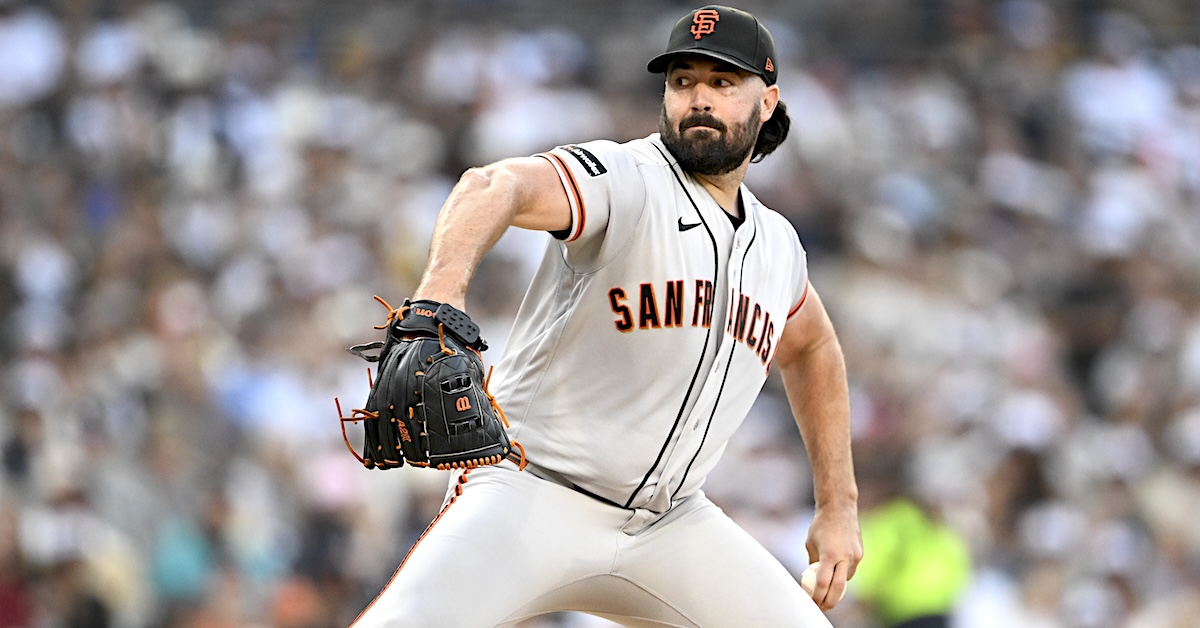
The Padres acquired left-hander Robbie Ray from the Giants on deadline day, pairing him with Casey Mize in a two-trade spree designed to salvage a rotation that has cratered since May 18. Ray, 34, carries a 3.08 ERA and 4.36 FIP across 21 starts in 2026, though the peripherals—57 walks, 15 homers allowed, 107 strikeouts in 122 2/3 innings—reveal a pitcher treading water, not ascending. San Diego paid a modest prospect price (right-hander Miguel Mendez and shortstop Joniel Hernandez) and absorbed only half of Ray's remaining salary, a signal the Giants were eager to move salary as much as San Diego needed arms. The move makes surface sense: since May 19, Padres starters rank 29th in ERA (4.87), FIP, WAR, and xERA while logging the fewest innings in baseball (275 1/3 over that span). Michael King, the rotation's singular bright spot, cannot carry the load alone across 50 remaining games. But here's where the Padres' betting profile becomes exposed. The trade assumes Ray will stabilize the fourth or fifth spot and extend Michael King's workload. The reality is harsher. Ray's walk rate (4.21 per nine) sits well above the league median, and his home-run rate (1.10 per nine) has ticked up in 2026—a concerning trend for a pitcher entering his final contract year. The Giants, notably, did not hesitate to move him, a detail that carries more weight than the modest prospect haul suggests. San Diego's internal alternatives (Nick Pivetta and Joe Musgrove, both working back from surgery) remain speculative at best, and Lucas Giolito occupies the same uncertain tier. The Padres were forced to trade because they cannot wait; they're clinging to wild-card positioning and cannot afford a rotation collapse. But the market has already begun to reprice the rotation's stability. Books have tightened Padres unders on team totals, sensing that improved starting depth will allow the bullpen to pitch fewer high-leverage innings and preserve run production. Yet the Ray trade solves only depth; it doesn't solve volatility. A 3.08 ERA front-loaded by luck (his 4.36 FIP signals he's been pitching better than results) and an uptick in free passes suggest Ray will regress to the 4.0-4.3 ERA range across a full-season sample—acceptable for a fourth starter, not a franchise anchor. The prop angle surfaces in team totals and bullpen workload. If the Padres expect Ray to log five-plus innings consistently, bullpen usage drops, which theoretically reduces the strain on an elite group (Mason Miller, Adrian Morejon, Camilo Rodriguez). That setup initially favors Padres overs on team totals in the short term, as fewer high-leverage bullpen appearances correlate with fewer blown leads. However, the mechanism is fragile. Ray's walk rate and homer susceptibility mean he'll regularly hand the bullpen pressure situations in the fifth or sixth inning—a worse outcome than a reliable 6-inning performer. Books will chase the narrative that rotation depth equals scoring stability; contrarian bettors should recognize that Ray's profile trades consistency for depth, a distinction with material impact on team total variance over a five-week sprint.