Eovaldi's Seventh-Inning Wall Shows Why Texas Built Its Bullpen Depth
By Erik Schwartz ·
The Rangers' fifth straight win depended on relief intervention Eovaldi couldn't provide alone, a pattern with real implications for how Texas' run will hold up.
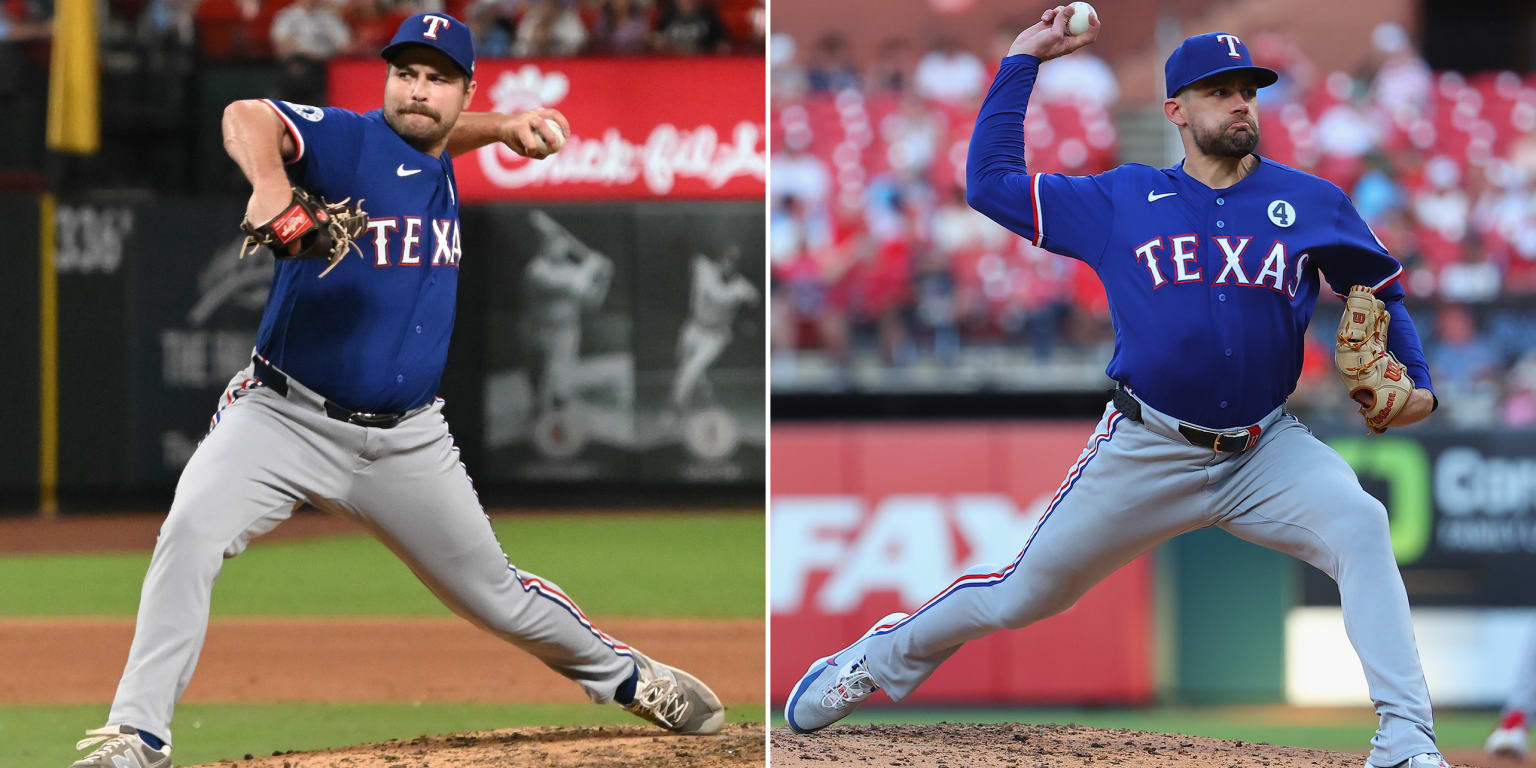
Nathan Eovaldi cruised through six innings Tuesday at Busch Stadium, then hit the wall hard. The Rangers' ace allowed the first four Cardinals batters to reach in the seventh—two of them scoring to tie the game at 4. This wasn't a one-off crack; Eovaldi has now given up at least one home run in his last three consecutive starts, a mechanical vulnerability that ballclubs are beginning to exploit. The difference between Texas staying at .500 and running its winning streak to five games came down to what happened next: Jalen Beeks entered with runners on the corners and nobody out, struck out two, got a flyout, and escaped unscathed. Pederson's RBI single in the ninth pushed Texas ahead for good in a 7-4 final.
The narrative around Eovaldi—and Skip Schumaker's deployment of him—centers on his durability. He's gone six or more innings in seven consecutive starts. Before Tuesday, he'd strung together five straight outings of seven innings or more. That workload management is the entire rationale for a front office investment in an innings-eater at the top of the rotation: reset the bullpen, avoid back-to-back leverage spots, stay fresh into October. Except Tuesday revealed the flaw in that logic. Eovaldi worked 6.1 innings against St. Louis, gave up 11 hits, and forced the bullpen into a high-leverage save situation anyway—not because of inefficiency, but because of the home-run problem. In an era when starters are pulling back to preserve arms, Eovaldi's volume is genuinely valuable. But volume without clean efficiency (he's now at 1.2 home runs per nine innings over his last three outings) becomes a liability, not an asset.
What saved Texas was exactly what the front office built for: depth. Beeks, Cal Quantrill, and Jakob Junis combined for three scoreless innings, allowing two hits and zero walks while striking out three. That's the efficient-bullpen story the Rangers' decision-makers wanted to tell. The problem is sustainability. Asking Beeks to bail out Eovaldi when Eovaldi is supposed to be the self-sufficient arm creates cascading pressure on the relief core. If this becomes the pattern—Eovaldi going deep but untidy, bullpen cleaning up the mess—the Rangers' five-game streak will hit a ceiling faster than their record suggests.
For prop betting purposes, Tuesday's game offers a tactical edge for the next Eovaldi outing. His home-run rate has spiked sharply; opponents are now hunting fastballs elevated in the zone against him, a behavioral shift that's visible in pitch-sequencing data. When Eovaldi's next start is announced, home-run props for both him allowing dingers and his team total allowing runs should be monitored closely. The strikeout volume (seven K's in 6.1 IP) remains elite, which means his K-rate props stay valuable, but the home-run volatility is real and market-priced. The more durable play is fading Texas team-total overs in Eovaldi starts where the opposing lineup has righties with power who've recently faced elevated fastballs. St. Louis hammered that pattern (Gorman's opposite-field solo homer in the fourth was the tell). If the Cardinals show up on tape review as a data point rather than an outlier, the next opponent's scouting report already has the answer.