Bednar's High-Wire Act Blows Up Again: Yankees Closer's Volatility Reshapes Closer Usage Angles
By Ty Whitney ·
One out from victory, David Bednar surrendered a go-ahead three-run homer to Tyrone Taylor in the ninth, and his pattern of late-inning danger is now too frequent to ignore for late-game prop bettors.
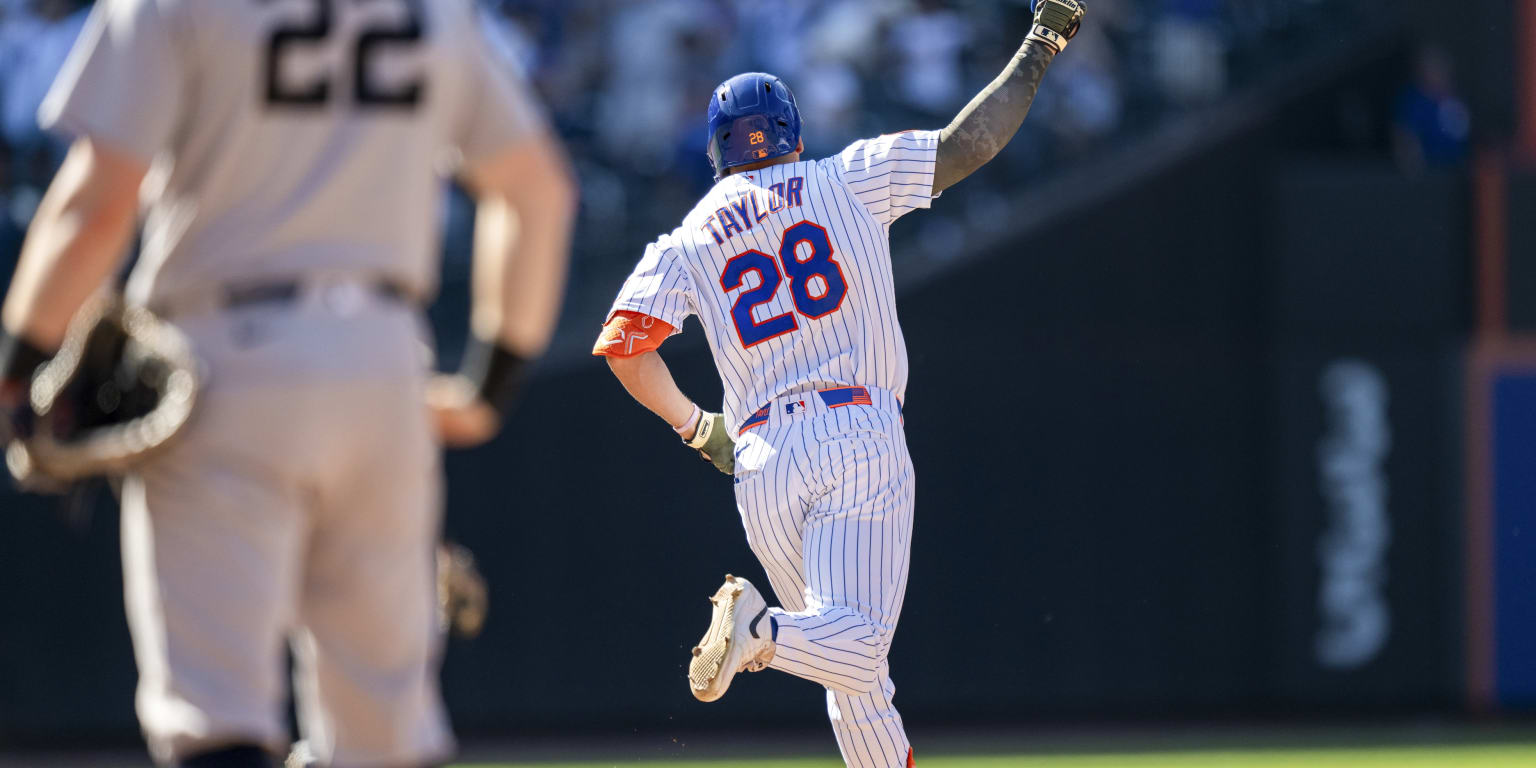
David Bednar was one strike away from closing out the Yankees' Subway Series finale against the Mets on Sunday before Tyrone Taylor launched a hanging first-pitch curveball over the left-field wall to tie the game at 6-6. Carson Benge then scored the winning run in the 10th inning off Tim Hill as New York fell 7-6, marking Bednar's second blown save in 2024. The loss itself stings—the Yankees built a four-run lead in the sixth inning on the back of Anthony Volpe's two-out RBI double off Sean Manaea—but the larger story is the closer's escalating risk profile.
Bednar arrived as the Yankees' installed closer just over a year ago, when the team acquired him from Pittsburgh last July 31. His reputation traveled with him: a rubber-armed pitcher who logs heavy workloads without complaint. That pedigree still holds. But the high-wire performances have multiplied. Two homers allowed in his past four games marks a dramatic spike from his first 38 appearances as a Yankee, when he'd surrendered just two homers total. The first-pitch curveball Taylor hit was not a chase offering; it was a hanger that screamed vulnerability at a moment when the game sat on the line. This isn't statistical noise. Bednar's save-situation ERA has deteriorated visibly, and his propensity to work deep counts before inducing contact is becoming a liability in final-inning spots.
For Yankees bettors, the practical implication cuts both ways. On the surface, Bednar's volatility depresses moneyline odds and inflates run-line risk in close contests—any game decided by one or two runs now carries elevated variance in the ninth inning. But the real edge sits in the absence of a reliable closer floor. When the Yankees enter the ninth with a one- or two-run lead, the market still prices Bednar as a stabilizing force; the sharper play is to shade toward the under on Yankees team total in games where they're ahead going into the ninth but facing a power-heavy lineup (like the Mets lineup that produced Taylor's moment). The Yankees' bats remain potent—Ben Rice cracked his 15th homer, and Aaron Judge is at 16, putting them in elite early-season company—but a closer manufacturing outs with difficulty means those offensive gains evaporate in clutch situations.
Volpe's two walks and his RBI double in the sixth showed the offense can execute in high-leverage at-bats, but the team's leverage index collapses when the ninth-inning pitcher is trading control for stuff. Going forward, expect the market to reprice Yankees closer-dependent props downward, and expect sharp action on overs in games where New York's starter exits with a lead but Bednar's command shows friction in the warm-up zone.