Beavers' Walk-Off Streak Signals Baltimore's Clutch-Moment Edge in Playoff Push
By Ty Whitney ·
Three walk-off victories in less than a year reveal an Orioles roster that converts high-leverage at-bats at an elite rate—a pattern that reshapes how to value late-game moneyline and spread exposure down the stretch.
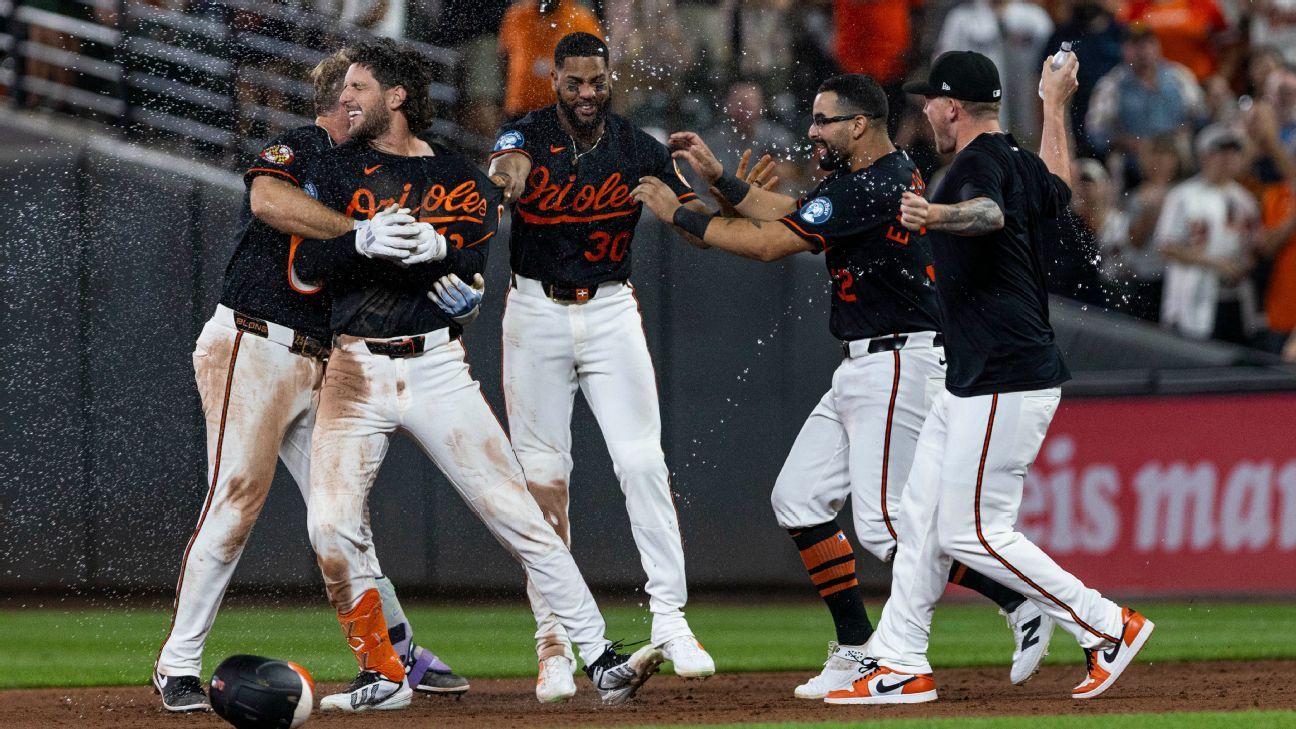
Dylan Beavers delivered his third walk-off hit Saturday night, an RBI single in the bottom of the ninth that sent Baltimore past Atlanta 3-2 and pulled the Orioles within 2.5 games of a postseason spot. The 23-year-old made his major league debut in August 2025, nearly 11 months ago. In that span, he has authored three game-ending hits—a single and a home run in September 2025, and this weekend's clutch ninth-inning knock. That's a staggering concentration of walk-off production for a player with a career measured in games, not seasons.
The broader signal here matters more than Beavers' individual heroics. Only Freddie Freeman of the Dodgers has generated more walk-off plate appearances than Beavers since the start of the 2025 season, and Freeman has played in over 150 games across that window. Beavers has done it in a fraction of the plate appearances, which points to either elite clutch mentality or a team culture that manufactures high-leverage situations where this kid keeps coming through. Jackson Holliday, who scored the winning run Saturday, framed it plainly: every game matters now, and the Orioles cannot afford the mental lapses that cost them Friday's 10-inning loss to the same Braves team. Baltimore's front office faces a trade deadline decision within the next nine days—buy, sell, or hold. A win streak threading through that window shifts the calculus entirely.
From a betting mechanics standpoint, walk-off frequency is a blunt instrument; the market doesn't price individual reliever matchups or ninth-inning leverage based on a hitter's past game-winners. What does matter is the underlying skill it reveals: Beavers and this Orioles lineup demonstrate an above-average ability to generate quality contact in tight spots. His walk-off single Saturday came with two outs—a situation where most hitters shrink. The Orioles' offensive approach in close games has been net-positive; they are not winning on luck, but on plate discipline and contact quality when the margin for error vanishes.
The moneyline value on Baltimore home games down the stretch—especially if the team's internal conviction hardens into a buyer's stance—may be slightly underpriced because the public hasn't fully integrated how often this roster converts ninth-inning scenarios. Spreads at -125 to -130 for the Orioles in home contests against non-elite pitching carry mild leverage; the back-of-the-bullpen advantage compounds when you're already getting favorable odds. This is not a persistent, multi-season pattern (Beavers is a rookie; the sample is small), but the clustering of clutch moments over the past 11 months suggests the Orioles have better late-game execution than their win-loss record might independently imply. That edge persists for the next seven to ten days while Baltimore calibrates its deadline posture.