Wheeler and Realmuto Deliver Statement Win as Phillies Head into All-Star Break
By Ty Whitney ·
Philadelphia's battery of future Hall of Famers peaked at exactly the right moment, with Zack Wheeler's dominant start and J.T. Realmuto's clutch two-out hitting sending the Phillies into the break with momentum against a Tigers team that looked overmatched.
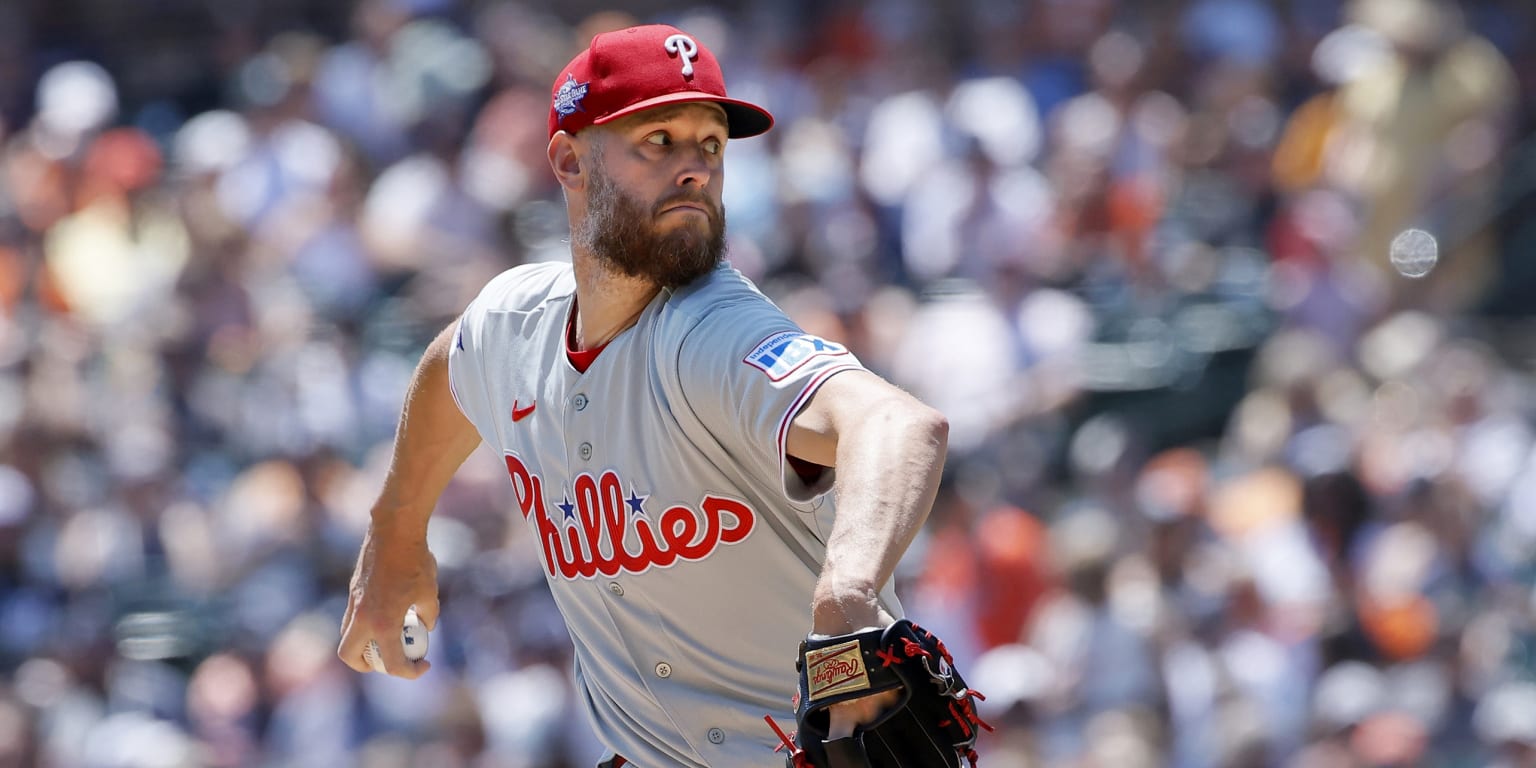
Zack Wheeler silenced Detroit's entire lineup Sunday, allowing two singles and two walks over six scoreless innings while striking out 10—the kind of performance that defines a Cy Young season. Realmuto, batting a disappointing .200 entering the game, delivered the decisive moment with a two-out, three-run double in the sixth that broke open a close contest and sent Philadelphia past Detroit 5-0. Manager Don Mattingly's confidence in Realmuto's clutch gene proved prescient. The catcher's ability to deliver in high-leverage spots has been the foundation of his Hall of Fame case, and Sunday was vintage Realmuto: a two-out rally-maker who doesn't need perfect pitches, just the right moment.
Wheeler's dominance over his last two starts reads like a pitcher peaking at maximum velocity. Over his previous 13 innings, he's allowed one run on six hits with 24 strikeouts and just two walks—elite-tier innings that land him at 10-1 with a 2.13 ERA heading into Tuesday's All-Star break. The Tigers, despite fielding three All-Stars in the lineup (Kevin McGonigle, Dillon Dingler, Riley Greene), looked like a different team against a pitcher operating with surgical precision. Wheeler worked efficiently at 96 pitches through six innings, never letting Detroit string together more than two baserunners in any single inning. In the sixth, with the game still hanging in balance, he struck out McGonigle, Dingler, and Greene in succession—all three swinging—to strand runners and set up Realmuto's heroics against Keider Montero.
The Phillies' timing here matters beyond Sunday's scoreline. Realmuto's offensive struggles (.200 average, 30 RBIs in limited time) have been a drag on Philadelphia's run-differential through July. The concern entering the break was whether his bat would wake up or whether injuries had sapped his offensive ceiling. One clutch double doesn't erase a month of underproduction, but it signals that when the pressure tightens, Realmuto reverts to his natural instincts: gap hitting with runners in scoring position and an uncanny ability to put the barrel on pitches other catchers take for strikes. His two-out double came on a full-count pitch—one of three full-count at-bats he worked in the game—and reinforced that his plate discipline remains intact even when the average droops.
For bettors eyeing Realmuto's individual props in the second half, Sunday offers a cautionary tale about recency bias. A single clutch hit against a mediocre Tigers bullpen doesn't flip his seasonal trajectory; his .200 average is real. However, the mechanism that drives his value—two-out hitting with runners in scoring position—hasn't gone anywhere. Over his career, Realmuto's two-out RBI rate sits in the 88th percentile. The Phillies don't win playoff games without plays like the one Sunday, which suggests that when leverage situations arise in August and September, Realmuto will carry an edge that the market may not fully price into his individual RBI and hit totals. The key is pairing him with high-leverage spots: bases-loaded scenarios, late-inning ties, playoff positioning games. His baseline average may be suppressed, but his conditional probability in clutch spots remains elite.
Wheeler's trajectory into the break is cleaner to project. A 10-1 record with a 2.13 ERA represents a pitcher in complete control of his fastball and sequencing. The 24 strikeouts over 13 innings in his last two starts put him on pace for 250+ K's if he maintains that rate through September—a Cy Young benchmark. His strikeout prop should trade higher when the Phillies resume after the break, particularly against lineups that rank below average in contact rate. The strikeout prop carries a durable edge because it's tied to a multi-start pattern (elite stuff on display across two consecutive outings) rather than a single-game spike. Expect the line to tick up on his first post-break appearance, but early numbers on strikeouts will be your best pricing before market adjusts upward.