Baldwin's Live-Arm Test This Week Could Accelerate Braves Catcher Timeline
By Ty Whitney ·
Drake Baldwin faces his first live pitching since a May 19 oblique strain, with a potential major-league return inside two weeks if he clears the Gwinnett rehab gauntlet.
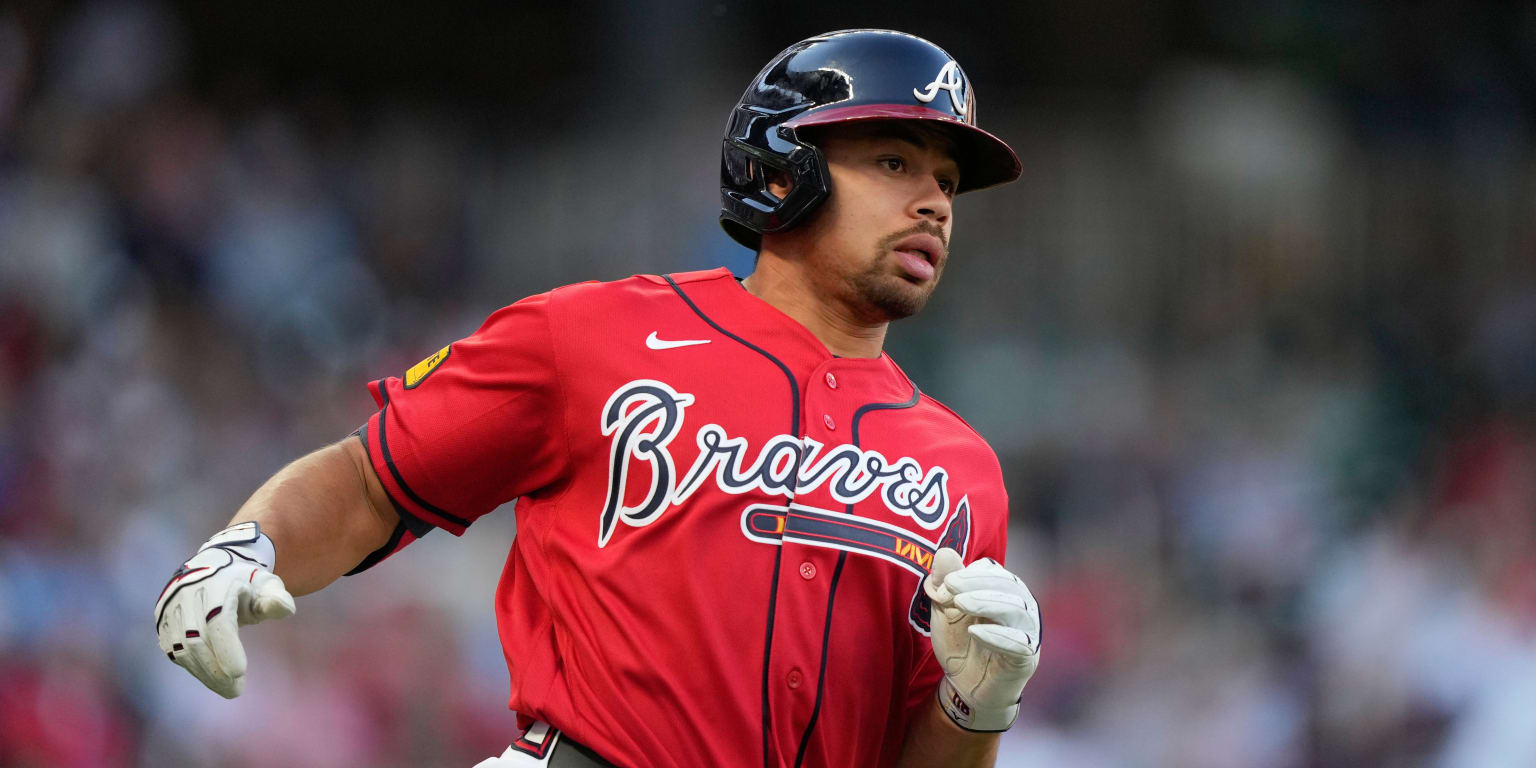
Drake Baldwin will step into the batter's box against live pitching Thursday and Friday at Atlanta's Florida complex—a crucial checkpoint in his recovery from a right oblique strain that has sidelined him for 21 days. Manager Walt Weiss signaled the timeline is accelerating: if Baldwin's oblique holds up through those live batting sessions, he'll move directly to game action at Triple-A Gwinnett over the weekend, then potentially rejoin the Braves roster during their upcoming homestand. The scope of that window matters. A return by mid-to-late June would restore one of the National League's most productive young hitters to a catching rotation that has struggled without him.
Baldwin's 48-game sample before the injury—a .932 OPS paired with league-average defense—marked him as one of Atlanta's most important offensive assets in a lineup with notable depth questions at the corners and DH. The Braves have managed adequately in his absence (winning 8 of 10 entering Tuesday), but Sandy León and Austin Wynns are replacement-level contributors at the plate. That discrepancy compounds when factoring in how catchers are valued in run-creation models: they accumulate plate appearances at a slower rate than other positions, so a 25-year-old posting elite offensive metrics across even 48 games represents material organizational equity that can't easily be replicated by the minor-league depth. Weiss's comments about AJ Smith-Shawver—the Braves' high-velocity relief prospect—being part of Baldwin's live-arm testing indicate the organization is treating these sessions as meaningful evaluation, not ceremonial box-checking.
For betting purposes, Baldwin's absence has had a visible ripple effect on Atlanta's run-scoring efficiency that extends beyond the catching position. When a versatile hitter exits the lineup, the offense's optimization changes; lineups lose both his direct production and the downstream effects of having to shuffle remaining bats into different slots. The Braves' implied team total has likely held steady despite missing one of their most consistent contributors, which suggests the market hasn't fully internalized his impending return. The timeline also matters tactically: if Baldwin returns before the All-Star break, he'll accumulate enough plate appearances to meaningfully swing Atlanta's run-creation metrics in the season's second half, when team totals typically narrow and reverse-line movement becomes more predictable.
The immediate prop exposure centers on Atlanta's team totals and Baldwin's individual offensive props once he resumes playing. If he clears the Gwinnett assignment without setback and returns by June 20-24, the Braves' offensive profile shifts upward for games against weaker pitching staffs in their next 40 games. Baldwin's pre-injury OPS of .932 suggests he was on pace for 550+ plate appearances if healthy; even if he misses another 10-15 games beyond his return, his cumulative impact on team run-scoring could be substantial. The market's catching market has likely priced Baldwin out of consideration in most preseason builds; his return mid-season creates a positive-variance edge when Atlanta faces bottom-ten pitching staffs and his availability aligns with their schedule. Track his first game back carefully—if he returns to full DH or primary-catcher role immediately, overnight adjustments to his hitting prop lines will be sharp, but his team's totals may lag for 24-48 hours before sharp syndicates price in his re-integration.