Kyle Leahy's Starter Workload Expands: Cardinals Right-Hander Reaches Six-Inning Benchmark
By Ty Whitney ·
A career-high outing against Kansas City signals Leahy's transition from relief role is gaining traction, with May metrics that merit closer attention in team total pricing.
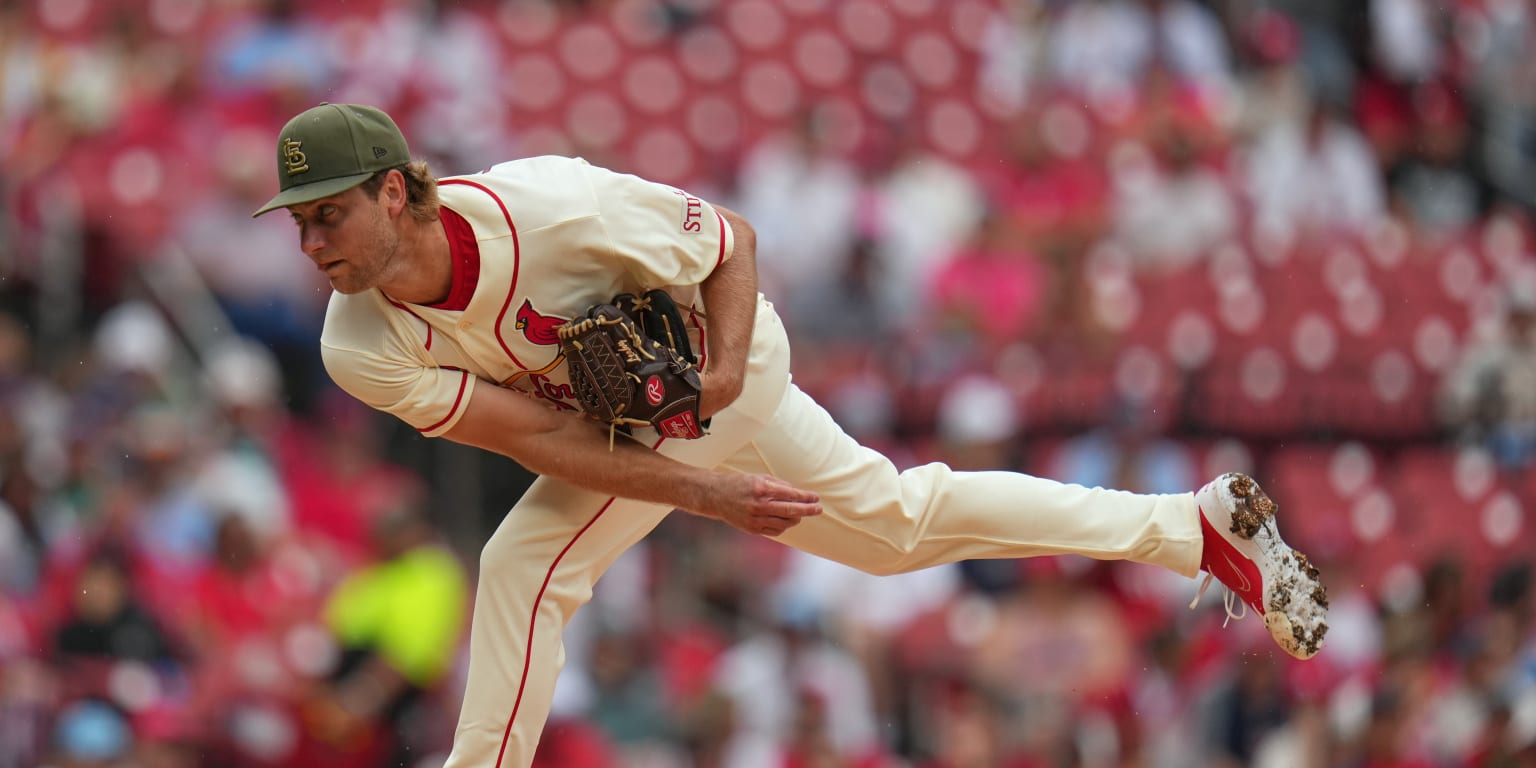
Kyle Leahy pitched six innings of one-run baseball Saturday at Busch Stadium, dispatching the Royals in a 4-2 Cardinals victory. The outing marked a new career high for innings in a single appearance—a meaningful threshold for a pitcher who started the season in the bullpen and has spent the last month building innings as a starter.
The conversion from reliever to starter is not academic. Leahy's May ERA sits at 1.10 across multiple starts, a significant compression from his season-long figure. For a pitcher making this transition mid-season, that kind of early-May performance often reflects either sustainable improvement in command and sequencing, or a favorable run-in variance that will eventually normalize. The context matters: Leahy is regularly pitching into the sixth inning now, which means the Cardinals' bullpen carries less leverage load in games where he takes the mound. That shifts the entire game-theory calculus for team totals.
The St. Louis offense managed four runs on Saturday, enough to back a starter eating six innings of work. But the broader proposition is that when a rotation piece moves from relief to starter and logs six-inning outings consistently, the team's run-prevention baseline improves without requiring additional offensive production. The Royals managed only two runs—a baseline you'd expect to hold across multiple starts if Leahy's May form persists.
For bettors, the play hinges on whether the market has fully repriced Cardinals team totals in games where Leahy starts. If the line still reflects his earlier-season role (when he was averaging 2-3 innings per appearance), unders on the St. Louis team total carry hidden value, as long as the opposing offense is league-median or worse. The Royals rank 23rd in run production; games like Saturday's 4-2 result align with that profile. However, if Leahy takes the mound against a top-10 offense (Houston, Atlanta, Philadelphia), that edge evaporates, and team totals will have already corrected upward. Monitor the opponent's offensive rank before engaging any team-total prop on Leahy starts over the next two weeks. His workload expansion is real, but its betting utility depends entirely on matchup context.