Astros' Ninth-Inning Chaos Exposes Angels' Collapse—and a Pitching Vulnerability Worth Fading
By Ty Whitney ·
Houston's improbable four-run rally on one hit reveals Angels relief incompetence in high-leverage spots and an Astros offense that thrives on opponent mistakes rather than execution.
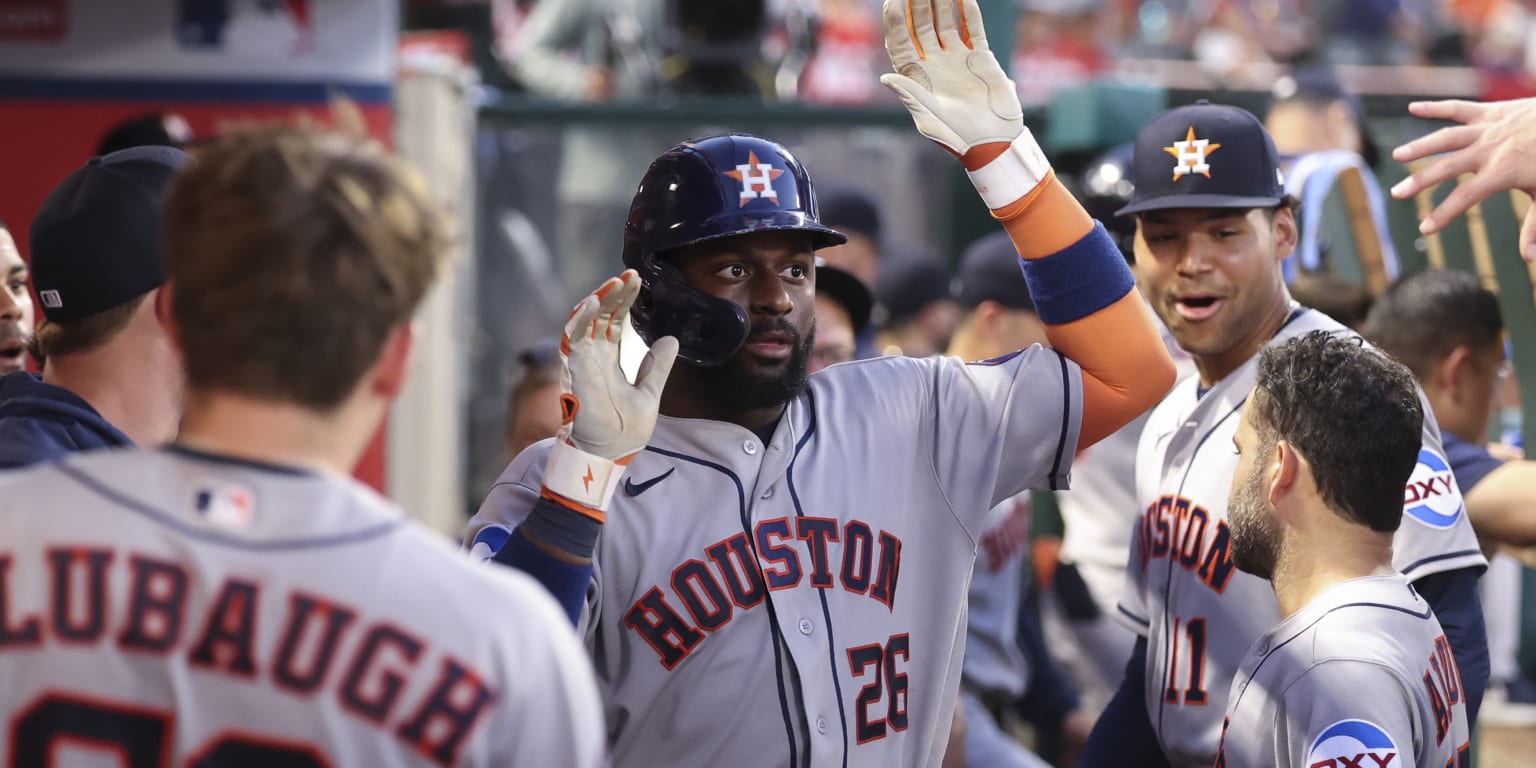
The Astros stormed back from a 4-2 deficit with four ninth-inning runs Monday night at Angel Stadium, securing a 6-4 win that felt engineered by Angels mistakes rather than Astros excellence. Houston sent 10 batters to the plate in the frame—but generated only one hit. Instead, they weaponized two fielding errors, two hit-by-pitches, two walks, and an intentional pass to Yordan Alvarez that backfired spectacularly when reliever Sam Bachman couldn't field Jose Altuve's dribbler and threw the go-ahead runner home himself.
This win is the kind that inflates Houston's record without teaching its offense anything useful. The Astros have now won six of their last seven, but that record masks a structural problem: they improved to 3-48 when trailing after eight innings. That's not resilience. That's noise. Single games where the opponent implodes tell you nothing about which team is better; they tell you which team got lucky. The Angels' ninth-inning collapse—two errors, inability to record an out despite a five-run advantage—is the real story here, and it's a story about Sam Bachman's composure and overall Angels relief depth, not Astros hitting prowess.
Tatsuya Imai's outing deepened Houston's vulnerability on the bump. He lasted only seven hitters in the first inning, marking the third time this season he's failed to finish the opening frame. He threw 12 strikes in 33 pitches, issued four walks, and committed a balk—a profile of a starter hemorrhaging control in crucial spots. The Angels exploited this early: Vaughn Grissom's homer and two more runs in the third inning put Houston in immediate deficit. Only Cristian Javier's five-inning, seven-strikeout relief appearance (50 of 70 pitches for strikes) kept Houston within striking distance.
For bettors, the takeaway is this: fade the Astros in games where they're trailing entering the eighth inning. A 3-48 record in that spot isn't an edge—it's a warning. The Angels' ninth-inning meltdown was an outlier; if Houston had lost, nobody would write about it. The market will briefly price Houston's six-in-seven run as evidence of a hot streak, but that record inflates on opponent execution failures, not Astros dominance. Look instead at Imai's next start: if he draws another matchup where he might face first-inning jams, lean toward unders on his strikeout prop (likely in the 5.5 range) and team totals below the opener, because Houston's pitching has shown it can't hold early leads and Houston's offense can't be trusted to engineer comebacks consistently.
The Angels, meanwhile, are a poster child for late-game relief volatility. Bachman's inability to execute a simple hold with a five-run cushion is precisely the kind of performance that tanks a bullpen's ERA over a season. Houston got the win, but they also exposed a team in free fall.