Astros Cut Weiss; Relief Depth Test Begins Mid-June
By Ty Whitney ·
Houston's bullpen roster churn accelerates as the team designates right-hander Ryan Weiss for assignment, signaling confidence—or desperation—in untested depth.
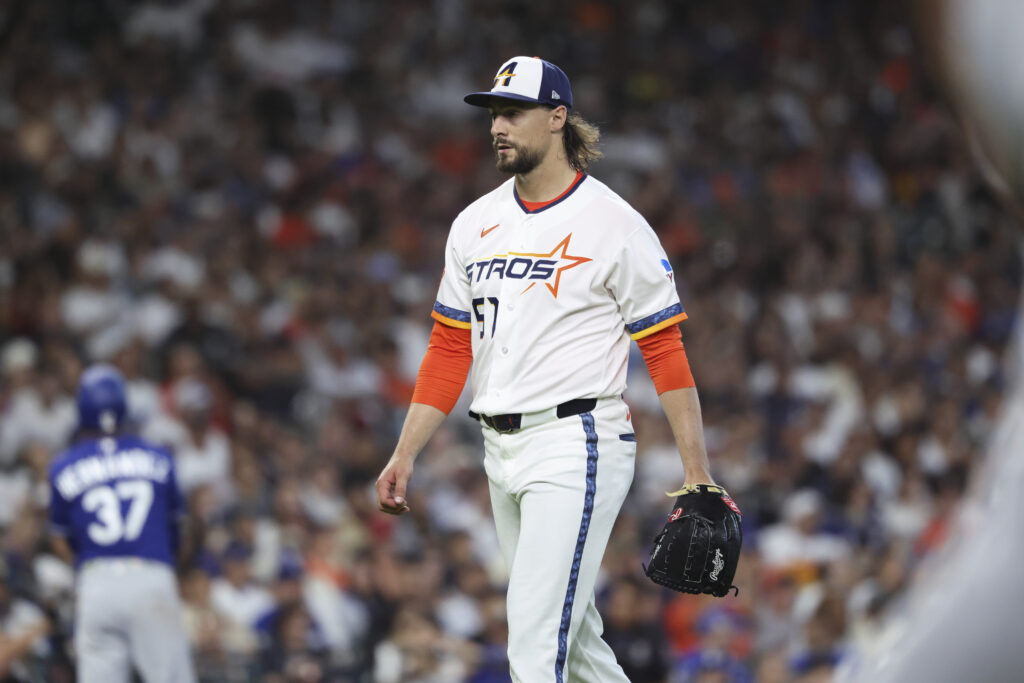
The Astros designated right-hander Ryan Weiss for assignment on Friday, per Matt Kawahara of the Houston Chronicle. The move clears roster space and marks another bullpen iteration for a Houston team still sorting through injury recovery and performance variance in its arms.
Weiss, a reliever who had been competing for innings in Houston's middle-relief mix, didn't stick in the active role—a straightforward organizational culling that happens dozens of times across baseball each June when rosters tighten and management priorities crystallize. The designation doesn't flag a major structural problem or signal a dramatic shift in Houston's pitching strategy, but it does underscore a reality: the Astros are working through their bullpen depth chart without access to certain contributors they might have counted on earlier in the season.
For bettors, the real lens is simpler: Houston's relief group just lost another arm, which means the remaining pitchers absorb more leverage and usage. In a playoff-caliber rotation, that concentration can yield both opportunity and burnout. If one of the remaining relievers was already operating at 60+ appearances through early June, Weiss's removal doesn't fix the workload problem—it compounds it. The Astros' bullpen ERA and strikeout rates should reflect tighter margins if games remain close in the later innings.
Shallow bullpen depth also tends to push teams toward larger early leads or sharper pitching penalties when the starter can't go deep. Monitor Houston's team totals and first-five-innings scoring patterns over the next week: if the offense doesn't build cushions faster, or if the starter falters earlier, the bullpen's stress load accelerates. Conversely, if Houston's remaining bullpen arms stay healthy and efficient, the cost of losing Weiss becomes negligible noise. The edge isn't in the roster move itself—it's in how quickly the market prices the downstream workload effect on the remaining relievers. That repricing typically takes 2–3 games to materialize.