Imai Steadies After Early Chaos; Astros' No-Hitter Masks Deeper Offensive Patterns
By Ty Whitney ·
Houston's combined no-hitter over Texas highlights a pitcher's recovery arc—but the real betting story is what the Astros' offense revealed about vulnerability in run-generation timing.
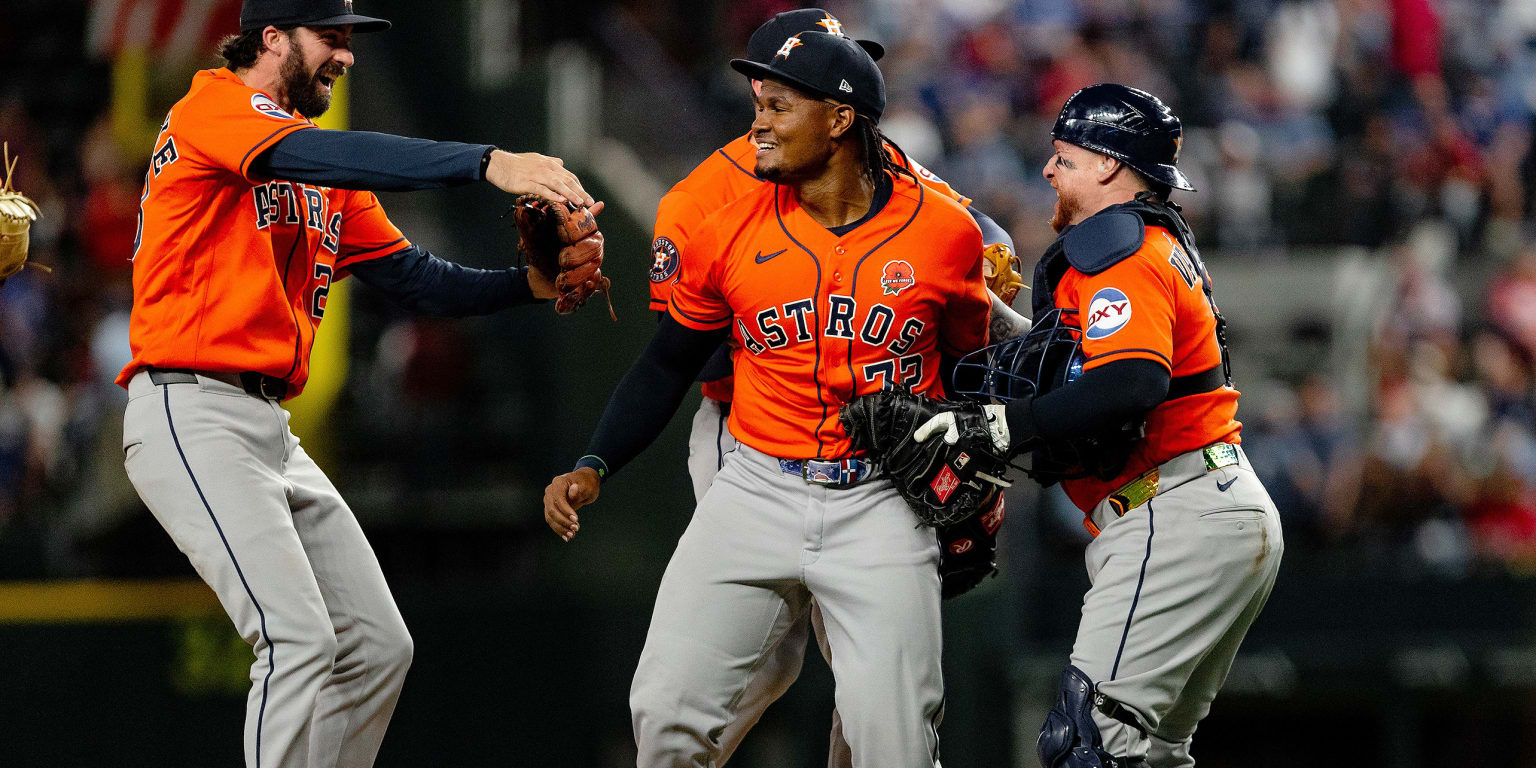
The Astros threw the first combined no-hitter in the majors since September 2024, with Tatsuya Imai, Steven Okert, and Alimber Santa shutting down the Rangers in a 9-0 blowout at Globe Life Field. The performance feels like validation for the $54 million three-year investment Houston made in Imai during the offseason, yet the arc of his outing—brutal control start, midgame correction, dominant finish—tells a more granular story about the fragility of his early-season tenure.
Imai walked the first two batters and threw only two strikes in his opening ten pitches, forcing pitching coach Josh Miller to visit the mound. The intervention worked: Imai induced a double-play grounder and allowed just two of the next 17 batters to reach base over six scoreless innings. This isn't a comeback narrative so much as a controlled reset. Imai had posted a 7.27 ERA across his first three starts and spent time on the injured list with arm fatigue after a historically bad April 10 outing in Seattle (three runs, four walks, one out). He'd returned May 12 to another rough outing against Seattle before finding minor stability last week at Minnesota. One dominant night doesn't erase the structural issues—walk rate volatility, command inconsistency—that defined his first month. The no-hitter papers over those problems rather than solving them.
On the offensive side, the Rangers were held hitless, but Houston's runs tell a different story. Yordan Alvarez's solo homer (his 16th) and Christian Walker's three-run blast (his 15th, part of a four-dinger stretch across three games) accounted for five runs; the remaining four came via sacrifice fly, squeeze bunt, and RBI single in low-pressure situations. This is not an offense that broke out through consistent quality at-bats. It's an offense that capitalized on Texas's defensive vulnerability and timely manufacturing. Walker's hot streak—15 homers, 40 RBIs, three RBIs in each of his last three games—is real, but it's also a small-sample surge. Over a full season, homer-per-game rates this elevated don't sustain unless the underlying batted-ball profile shifts durably.
For prop bettors, the no-hitter creates a false narrative around Astros pitching stability. Imai's control issues remain live; relievers Okert and Santa throwing clean innings in a 9-0 blowout (where Rangers hitters were chasing from the first inning) doesn't predict his next five starts. The larger tell is Walker's offensive volatility. When a team generates most of its run value through home runs and squeeze plays rather than consistent base hits and gap power, that offensive output becomes date-dependent. If Walker regresses to his season baseline (which is still strong at 15 homers in 240 PA), the Astros' run-per-game expectation drops. Lean under on Astros team totals over the next week, especially in games where Walker isn't in the lineup or in neutral-park environments where pull-heavy hitters struggle.
The combined no-hitter is the fifth in franchise history and the first since Javier, Abreu, Montero, and Pressly in the 2022 World Series. It's a headline achievement and a reminder that baseball's most dramatic performances can mask underlying inconsistency. Houston got the result it needed Monday night—and that's worth celebrating. But for week-to-week betting, treat Imai's arm fatigue history and Walker's hot-streak volatility as the operative signals, not the no-hitter itself.