Wade's Plate Discipline Could Rewire Astros Outfield Prop Lines
By PropBetEdge Editorial Team ·
Houston adds a career .341 OBP hitter to an outfield mired in a 27.5% strikeout rate—a structural fix that carries immediate implications for team hitting and strikeout props.
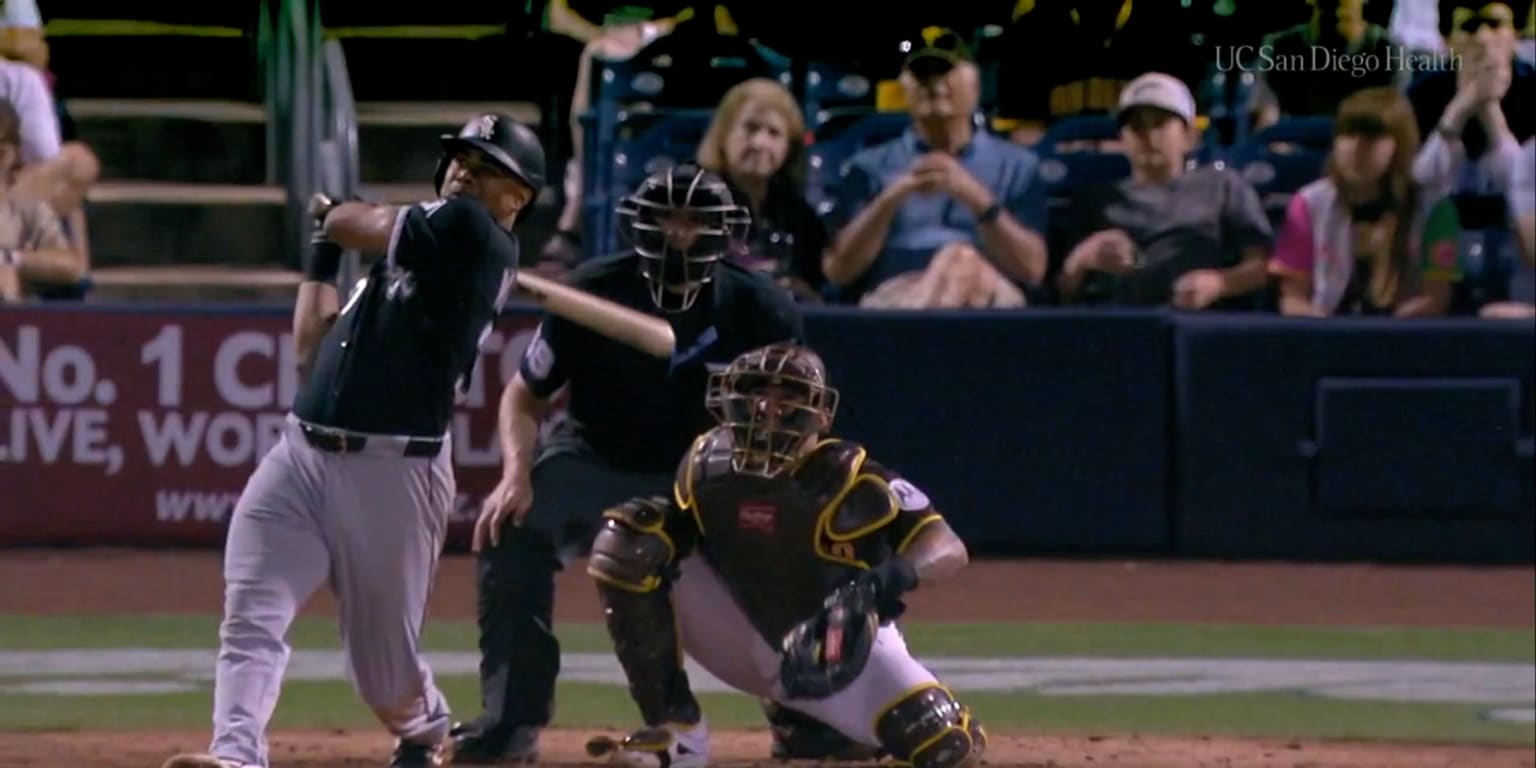
The Astros signed veteran LaMonte Wade Jr. on Thursday after he opted out of his Triple-A Charlotte deal earlier in the week. Wade hit fifth and played left field in his debut against Pittsburgh, joining a roster overhaul that also included the promotion of catcher Collin Price and the optioning of rookie outfielder Zach Cole. The move arrives amid a specific offensive crisis: Houston's outfielders carried a .658 OPS and 27.5% strikeout rate (second-worst in baseball) entering Thursday's game, a discipline gap that has constrained an infield anchored by Yordan Alvarez, Jose Altuve, and Jeremy Peña.
Wade's Triple-A profile this season frames him as a corrective mechanism rather than a power booster. At Charlotte, he compiled a .250/.420/.441 slash line with 45 walks against only 43 strikeouts—a 51% walk rate relative to strikeout rate that stands in stark contrast to Houston's current outfield cohort. His career 21% strikeout rate ranks well above league median for corner outfielders, and manager Joe Espada explicitly highlighted "swing decisions" as the draw. Over 560 Major League games, Wade has posted a .236/.341/.390 slash, meaning his value concentrates in on-base skills rather than raw power production.
The timing matters tactically. Wade figures to play mostly left field against righthanders and spell Christian Walker at first base, giving the Astros a controllable left-handed bat they can deploy in high-leverage at-bats without sacrificing defense elsewhere (Smith remains a Gold Glove-caliber right fielder). This creates a comp pool: Wade's previous season with the Giants and Angels produced a .524 OPS across 80 games, a disaster that prompted his winter rebuild. But his Charlotte strikeout profile (43 K in 111 PA, a 26.5% rate) suggests he's genuinely returned to form rather than simply finding a softer pitching environment. The Astros' outfield strikeout rate should compress meaningfully once Wade accumulates 100+ plate appearances, especially if Cole remains optioned. That compression has a direct bearing on team strikeout and team batting average props.
For bettors, the angle hinges on a causal chain: Houston's outfield strikeout problem was structural (young hitters chasing), not cyclical (variance regression). Wade's insertion doesn't add power, but it reduces swing-and-miss in the lineup, which should lower the team's K rate from the 27.5% outfield baseline toward the 23-24% range where team offenses typically stabilize. That's a 10-15% relative reduction in strikeouts, which materializes over the next 10-15 games as lineup samples grow. Markets may have priced Astros team strikeout totals based on early-season outfield volatility; once Wade achieves 30+ plate appearances, the market will reprice downward. The angle is strongest on the unders side if team strikeout lines remain sticky at current levels through Wade's first two weeks. Similarly, team batting average props should see modest upside as fewer strikeouts free up plate appearances for contact; walk rate should climb due to Wade's 8%+ BB% approach. These edges are durable because they rest on a defined mechanism—discipline improvement through positional replacement—not on single-game performance noise.
The moneyline and spread implications are secondary but real. An outfield that cuts strikeouts by 3-5 per game while maintaining defensive stability (Smith, Walker, and Meyers are all plus defenders) makes Astros games slightly more predictable from a run-expectancy standpoint. That's not a power call, but it suggests small systematic improvement in run differential, which sportsbooks haven't fully repriced into Houston's spread after a flurry of depth moves that haven't changed the roster's star power.