The Second-Tier Call-Up Pipeline: Why Depth Prospects Matter More Than You Think
By Erik Schwartz ·
As contenders exhaust the trade market, teams will mine their farm systems for depth arms and bats—and some of those middling prospects are tracking toward legitimate big-league impact.
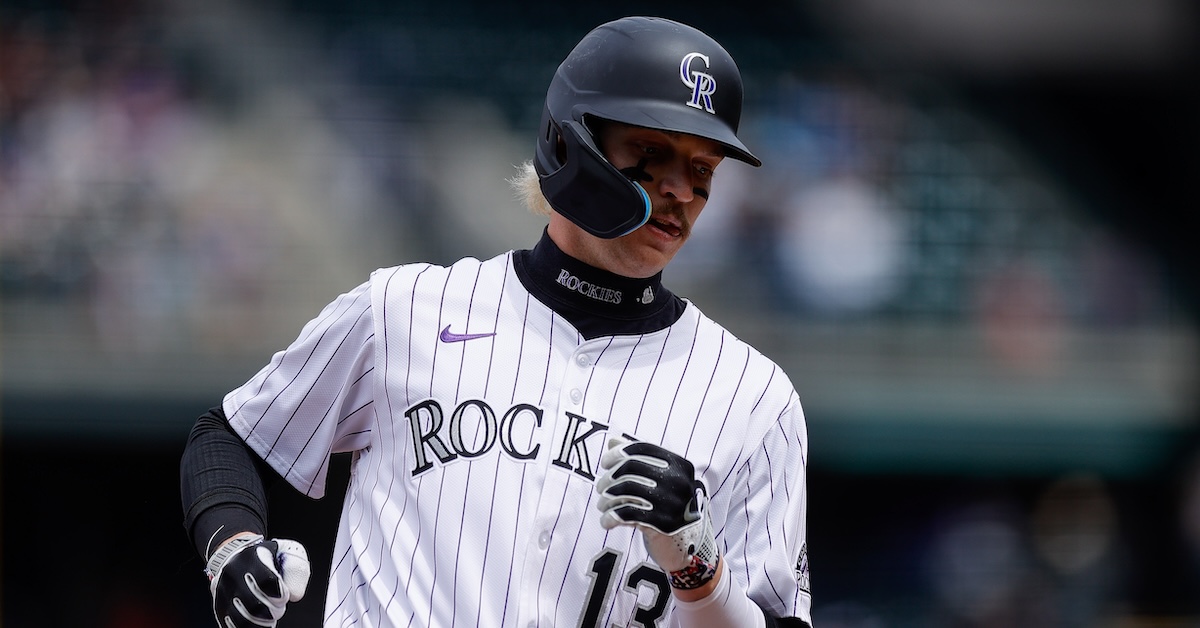
The conversation around call-ups typically circles the same names: elite prospects with consensus top-100 rankings and eight-figure prospect valuations. But with roughly a month before the trade deadline and premium talent scarce on the market, teams will increasingly turn inward. That shift favors the fringe prospects and fallen prospects who've begun to resurface in performance—a cohort that historically produces surprising contributors down the stretch.
Zac Veen's arc inside Colorado's system tells the story. Once a top-50 prospect in 2022 before wrist surgery derailed his 2023 season, he'd slipped to the Rockies' 10th-15th prospect by organizational value. But this year his minor-league production has vindicated a reset: he's accumulated 12 home runs in roughly half a season's worth of at-bats, paired with marked improvements in walk rate. ZiPS translates that line to a .280/.357/.466 slash—roughly 16th-best among all minor-league hitters—which approximates the profile his already-promoted teammate Cole Carrigg brought to the majors. Veen's path to big-league at-bats is clearer than his prospect ranking suggests, especially in an outfield that's underperformed historical Rockies standards.
The Arizona rotation situation mirrors this dynamic from a pitching angle. The Diamondbacks rank 26th in projected starting-pitcher quality for the remainder of the season, a critical vulnerability for a team still positioned in playoff contention. Mitch Bratt—once a prospect du jour in prospect-community discourse—operates as a command-oriented arm with modest ceiling but tangible floor. ZiPS pegs him at a 3.90 ERA in Arizona across the rest of the season, meaning he can miss that projection by half a run and still register as a relative upgrade on the roster. When roster construction is desperate and external acquisition is prohibitively expensive, depth pieces with that kind of margin for error become valuable.
The betting angle: when fringe prospects get promoted into regular roles, books haven't fully digested the performance translation. Veen's minor-league profile suggests a .280 batting average is attainable in Coors, yet early call-up lines on hitting props typically discount for debut volatility rather than on-field sustained production. If Veen reaches 40+ at-bats in the majors by August, expect his hit prop lines to tighten once the market samples actual performance. Bratt's arrival into Arizona's rotation would immediately lower the team's innings-per-start baseline; that shrinkage alone resets team strikeout and earned-run totals downward. The books price these call-ups as question marks, not as players whose minor-league data suggests specific output levels. That pricing friction—between what the prospect did in organized baseball and what the market assumes he'll do in the majors—is where the edge lives in these mid-tier promotions.