Ashcraft's May Dominance Points to a Durable Innings Edge for Pittsburgh Starters
By Erik Schwartz ·
Braxton Ashcraft has stretched through the seventh inning in three of his last four starts, signaling a shift in how the Pirates manage their bullpen workload.
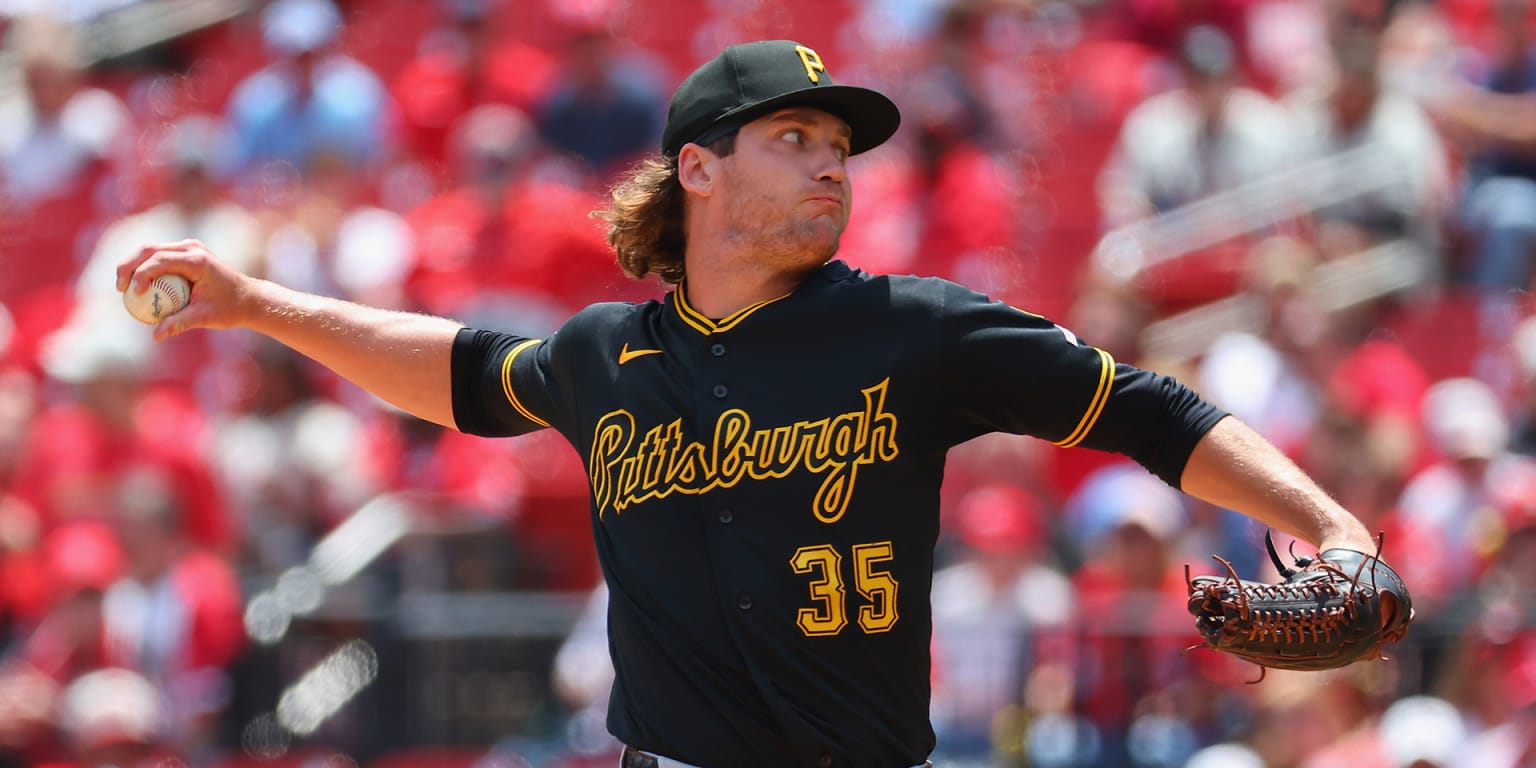
Braxton Ashcraft took the mound at Busch Stadium on Thursday and delivered exactly what Pittsburgh's bullpen needed: seven innings of low-traffic baseball. Nine strikeouts, four hits, two walks—a start that sticks to the script but with enough precision to matter. The Pirates won 6-2, though the story beneath the scoreline is the consistency Ashcraft has found over the past month.
May has been a career month for Ashcraft. In four starts, he carries a 2-0 record and 2.11 ERA. More revealing than the won-loss line is his workload pattern: three of his last four outings saw him reach the seventh inning, with the lone exception coming May 15 when he exited after 6.2 innings. That's the kind of durability profile that reshapes a pitching staff's leverage—a starter who can be counted on to eat through 100+ pitches means fewer seventh-inning spots burned, fewer high-leverage leverage situations forced onto a taxed relief corps. Pittsburgh's bullpen had been carrying weight early in the season, so Ashcraft's ability to push into the seventh matters beyond his personal line.
The strikeout rate tells a secondary story. Nine K's in seven innings sits at 11.6 per nine, well above his season average. That's not noise—it reflects improved command, likely driven by mechanical adjustments or increased confidence against a Cardinals lineup that ranked in the bottom half of the AL for strikeout avoidance. When a pitcher posts a K rate spike this pronounced over multiple starts in sequence (not just one outlier game), it signals he's unlocked something repeatable, not gotten lucky.
For prop bettors, Ashcraft's May stretch creates a concrete angle. His strikeout prop has likely migrated upward as the market adjusted to early-season volatility, but the underlying shift—sustained command improvement across four consecutive starts—suggests the over on his K line remains underpriced relative to his actual recent performance ceiling. More important for game-level action: any Pittsburgh starter prop tied to innings pitched (IP over 5.5, first-five-inning unders) benefits from Ashcraft serving as a model. If this workload pattern holds, the Pirates' pitching staff absorbs fewer high-leverage spots, which flattens team-total variance and makes under bets on their offensive line slightly more reliable. The market will price Ashcraft's next start higher than it did two weeks ago; the edge is booking the under on whatever line adjustment follows, because the durability gain was structural, not a one-start fluke.
Pittsburgh's offense contributed 6 runs on moderate contact quality—Brandon Lowe's 342-foot homer benefited from wind and corner luck, Henry Davis chipped in his third blast, and Marcell Ozuna's two-run single provided padding. The offensive effort was sufficient but not dominant. That mix (solid starting pitcher, league-average offense, tired bullpen) is the exact scenario where betting Pittsburgh totals under becomes viable. As long as Ashcraft can keep extending outings, the Pirates don't need to score eight runs to win; six is working. For the next week, treat Pirates team totals with caution on the over side.