Oakland's Keuchel Signing Is a Band-Aid on a Pitching Crisis
By Erik Schwartz ·
The A's add a 38-year-old lefty to a minors deal while four arms land on the injured list—a roster management move that masks deeper problems but won't move betting markets.
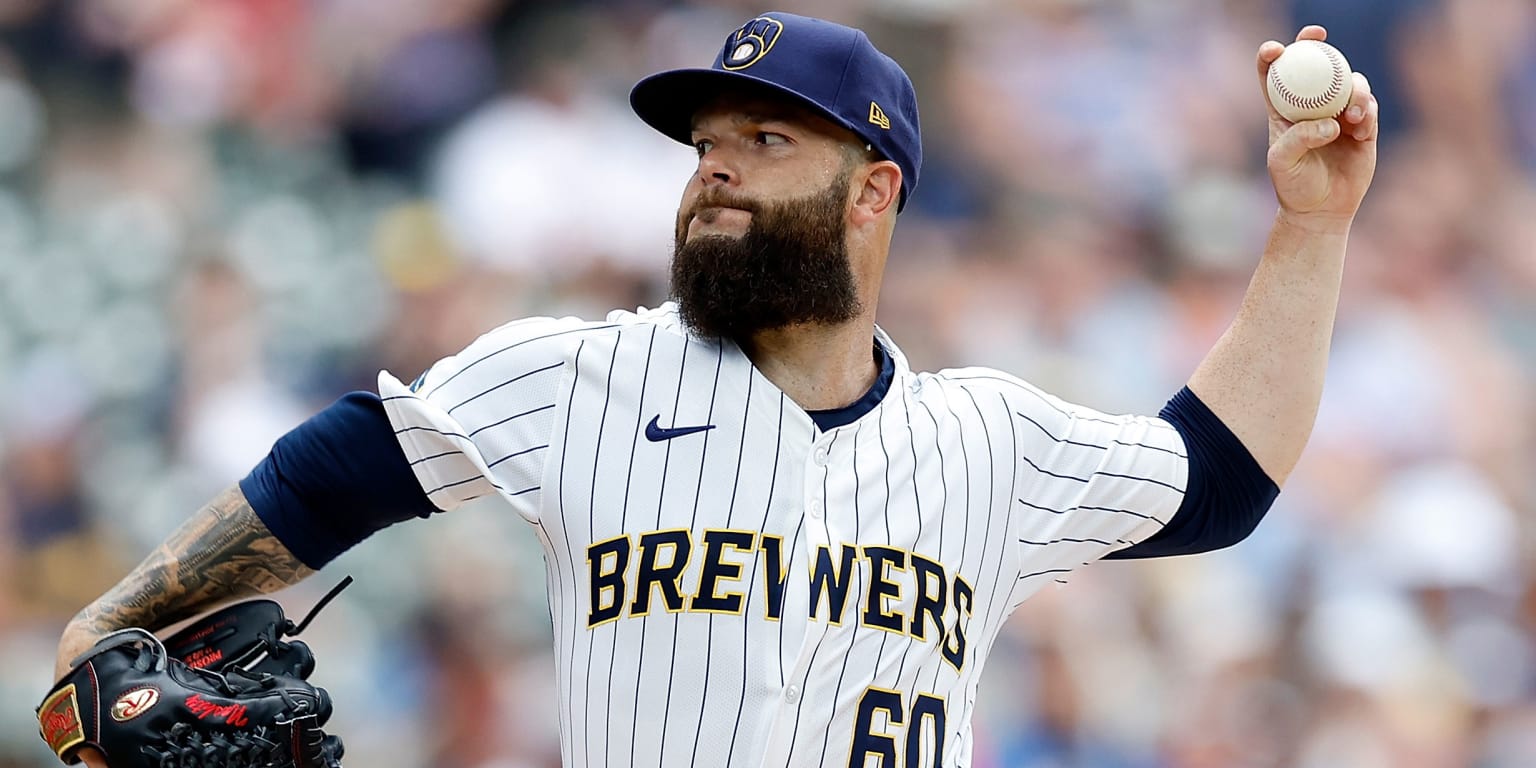
Dallas Keuchel has agreed to a Minor League contract with the Athletics, per ESPN. The 38-year-old left-hander, who last appeared in MLB in 2024 with the Brewers, spent 2025 in Triple-A with Kansas City's affiliate before landing in Oakland's farm system. On paper, it's the kind of depth move every organization makes in late July. In context, it's a sign that Oakland's pitching infrastructure is in genuine distress.
Keuchel's résumé carries weight—a 2015 AL Cy Young with the Astros, two All-Star selections, a career 4.04 ERA across 13 major league seasons. But the 38-year-old hasn't been a reliable MLB contributor in three years. He's a lottery ticket in a minors deal, not a solution. What matters more is what forced Oakland to make this move: the Athletics entered Saturday with the 29th-ranked ERA in baseball (5.34), and over the past week they've placed four pitchers on the injured list. Opening Day starter Luis Severino remains sidelined with a right shoulder strain on the 60-day IL. Starter J.T. Ginn and relievers Mark Leiter Jr. and Justin Sterner joined him within days. That's organizational hemorrhage, not normal roster churn.
Minor League signings don't move major league betting markets—they're too speculative and too far removed from game-day impact. A Keuchel call-up would represent a last-resort scenario for Oakland, and if it happens, it would signal that the injury crisis has metastasized beyond the A's ability to absorb it. The real prop angle sits with Oakland's team totals and pitching-related props going forward. An ERA that already ranks 29th will likely worsen if depth arms are called to stabilize the roster. Any under bets on the A's run total or strikeout props against their own pitchers reflect the underlying damage—not a single signing, but the velocity of the injury timeline and the weakness of the replacement pool.