Kurtz Returns to A's Lineup After Thumb Injury, Reshaping Oakland's First-Base Outlook
By Erik Schwartz ·
Oakland's All-Star first baseman returns from a two-week absence with his offensive profile intact, but the timing of his reinstatement creates fresh questions about lineup construction and RBI opportunity distribution.
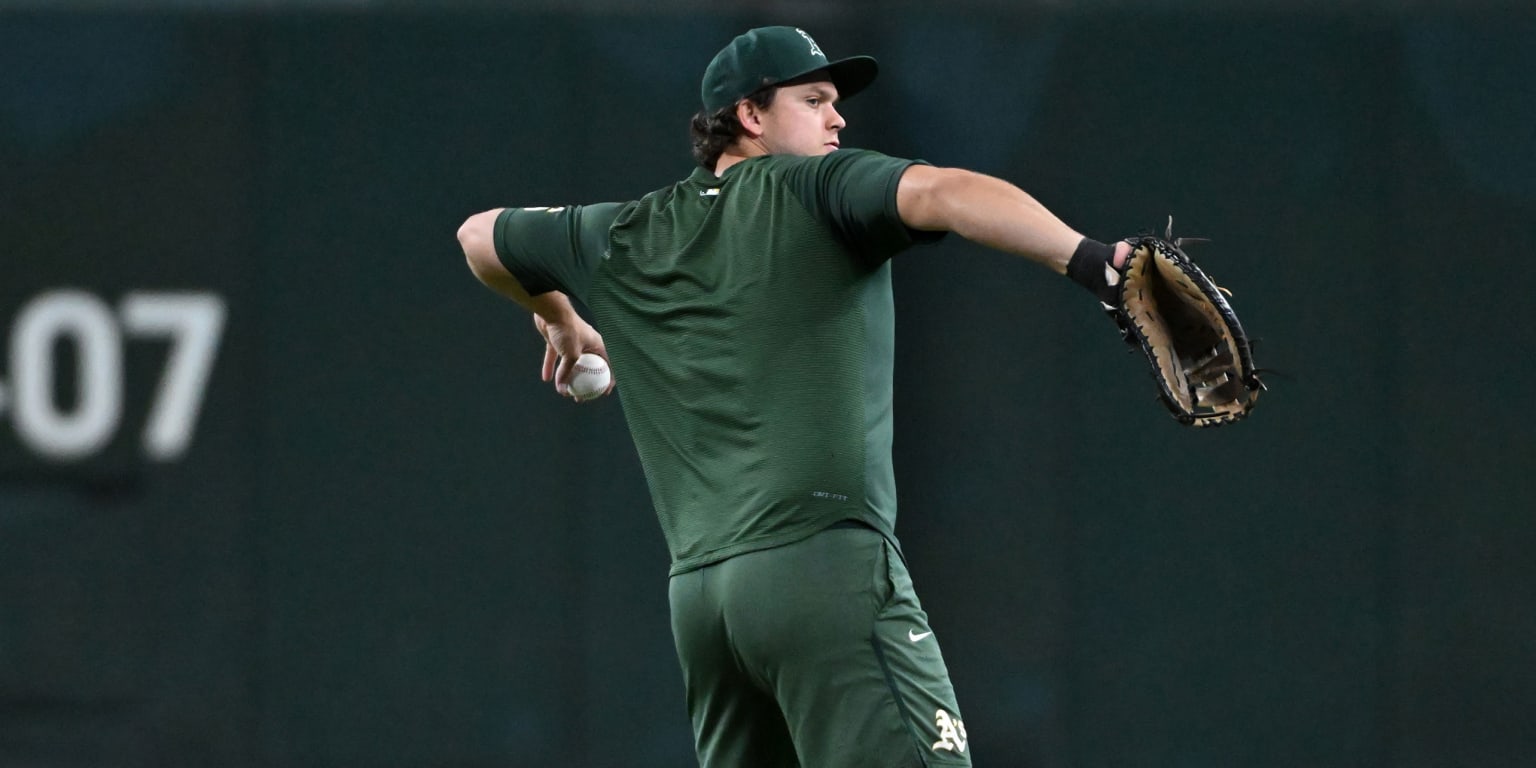
Nick Kurtz is back. The Athletics reinstated their All-Star first baseman from the 10-day injured list Saturday, ending a 15-day absence stemming from a right thumb capsule sprain sustained July 10. The move sends Max Muncy, who went hitless with three strikeouts in his brief Oakland stint, back to Triple-A Las Vegas.
Kurtz's injury window was tight enough that his underlying metrics remain intact. Over 334 plate appearances this season, he's slashing .266/.405/.497—a profile anchored by elite plate discipline (second in MLB in walks with 76) and consistent power (20 home runs, 66 RBI). His May earned him AL Player of the Month honors; his selection as the All-Star Game's starting AL first baseman in July cemented his first-half credentials. What matters for lineup construction is that a thumb sprain doesn't typically degrade bat speed or contact quality if the joint isn't structurally damaged. Kurtz didn't lose anything neurologically; he lost two weeks to inflammation.
The Athletics' immediate challenge is reinsertion timing. Kurtz exits the IL mid-season with no minor-league rehab games on record, meaning his first at-bats Saturday will carry rust and elevated strikeout variance over his next 5-10 games. His walk rate should stabilize quickly—that's a stable trait—but early swing decisions tend to be aggressive after injury layoffs. The team's pitching-workload management suggests Kurtz will get regular starts, but expect his first week back to feature occasional left-field assignments or DH days rather than full first-base duties.
For prop bettors, Kurtz's return reshapes Oakland's offensive distribution. His presence directly competes with corner spots in the order, which may actually reduce counting-stat upside for secondary players depending on lineup construction. Kurtz himself should see steady RBI opportunities given his .405 OBP and fourth-quarter finish to the season, but his first 2-3 games back will be high-variance. His strikeout rate will spike temporarily; patience through that adjustment window matters. The edge exists in fading his prop totals (hits, RBI, runs) for the next five games until he clears his rehab-from-IL look, then recalibrating upward once he reaches 40+ plate appearances back in the majors.
Muncy's removal barely registers—he went 0-for-3 with three strikeouts in two games, a 0% success rate that left no margin for error. But his departure also signals Oakland's confidence in Kurtz's immediate availability. If Kurtz weren't genuinely healthy, Muncy stays up as insurance. The fact that he's gone tells you the team isn't hedging.