Clay Holmes' Trade Value Hinges on a Two-Month Absence—And One Bullpen Session
By PropBetEdge Editorial Team ·
A fractured fibula in May has left Holmes untested in competitive innings as the Mets dangle him before the August 3 deadline, creating a wide gap between what he was and what teams will pay to find out.
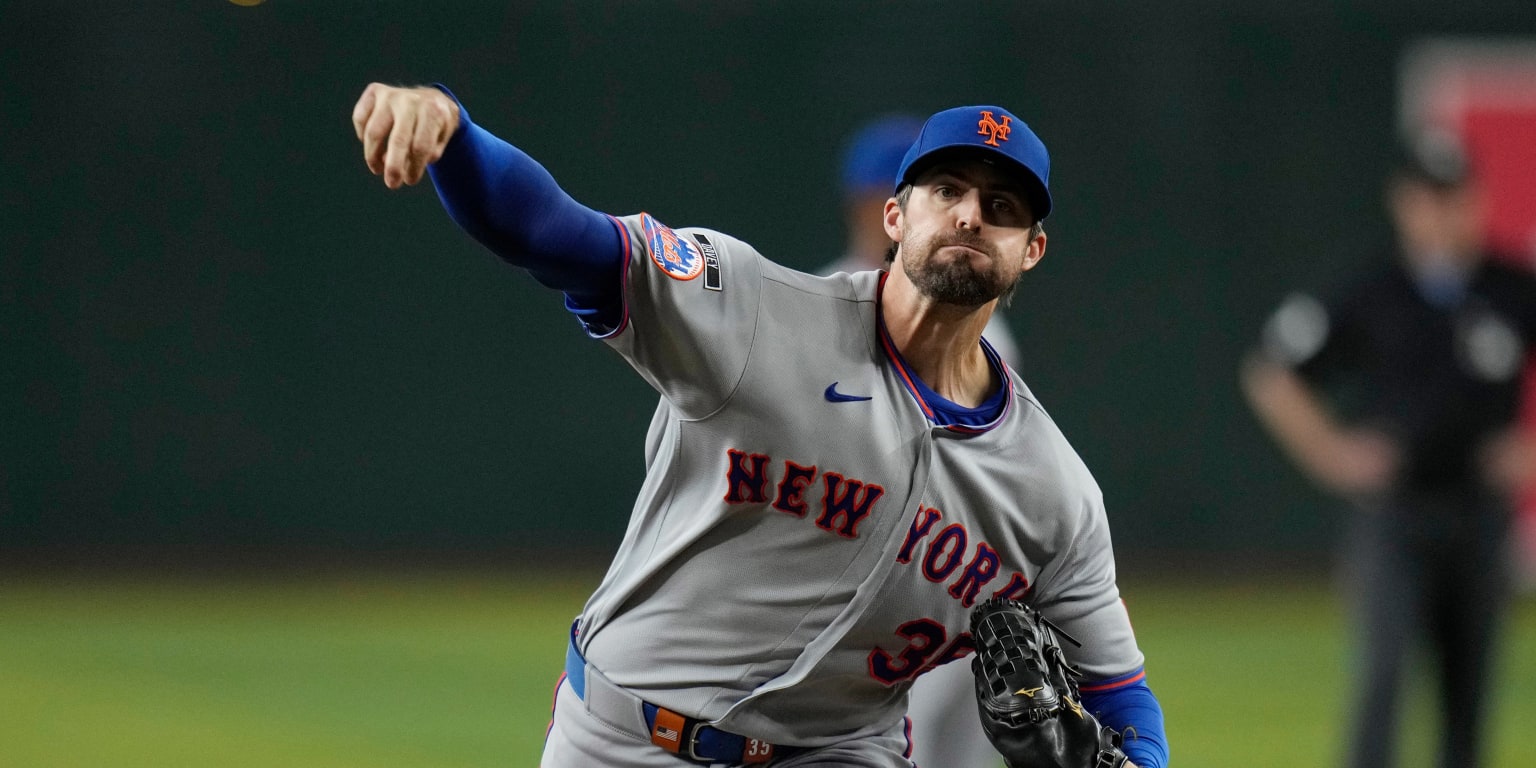
Clay Holmes threw a private bullpen session Saturday instead of a scheduled rehab start for High-A Brooklyn, a scheduling oddity born of rain in the New York area but one the Mets seemed to welcome. Rival scouts had staked out Coney Island to monitor Holmes' recovery arc from a fractured right fibula suffered on a comebacker against the Yankees on May 15. The team's preference for a closed workout signals how murky his market value has become—and how little tape evaluators have to work with. Before the injury, Holmes had carved out one of the steadiest seasons of his career: a 2.39 ERA across nine starts with at least five innings and no more than two earned runs in every appearance. That streak ended abruptly on the field. More pressingly for trade suitors, it's been more than two months since Holmes has thrown a competitive pitch. The Mets, now decidedly sellers, made clear this week that Holmes is available. He doesn't carry untouchable status, and his contract structure—a final year with a $12 million player option—makes him a pure rental.
The comparable that's circulating among rival evaluators is Shane Bieber, whom the Guardians traded to the Blue Jays last summer while he was four starts into his Tommy John rehab. The return was Khal Stephen, the Blue Jays' fifth-ranked prospect. Bieber had the advantage of injury documentation—evaluators could monitor his velocity and command across multiple outings before pulling the trigger. Holmes will not have that luxury. At this point in the calendar, five to six days remain until his rehab debut, where he'll throw four innings under the watch of an expanding scout army. Five or six days after that, he may rejoin the Mets—or suit up elsewhere if the deadline passes first. That narrow window compresses every bit of information scouts can gather into a single appearance.
What makes Holmes simultaneously appealing and risky is the asymmetry: teams know his baseline (a 2.39 ERA starter with proven durability) but are blind to his post-injury form. The fibula heals differently than a shoulder or elbow, and leg injuries rarely carry the lingering mechanics questions that thoracic injuries do. Yet two months of inactivity in a sport where feel and timing compound daily introduces genuine uncertainty. A rival evaluator summed up the sentiment plainly: "Not many options." That's not just about pitching supply this deadline—it's about Holmes specifically. He occupies the space between a known quantity and a coin flip.
From a betting perspective, this trade-value compression has direct implications for Mets starting pitcher props and team totals over the next 16 days. If Holmes remains with New York through August 3, his elevated uncertainty should price into strikeout lines conservatively, while Freddy Peralta (also on the block but healthier) absorbs lineup focus and scout interest. If the Mets move Holmes to a contender, his new team's moneyline and run-line volatility tightens immediately—one fewer variable in their rotation equation. The mechanism here isn't speculation; it's leverage allocation. Teams don't trade for innings they're unsure about; once Holmes changes uniforms, the acquiring team's confidence resets the baseline for competitive intensity and bullpen usage patterns. Conversely, any Mets starter taking the mound in the interim operates under heightened pressure, which typically shows in strikeout and walk rates as managers manage conservatively through the deadline chaos.