Twins' Buyer Move Meets Performance: What the Deadline Shuffle Means for Their Playoff Odds
By Ty Whitney ·
Minnesota pivoted from seller to buyer in three days—and the on-field results are already validating the gamble.
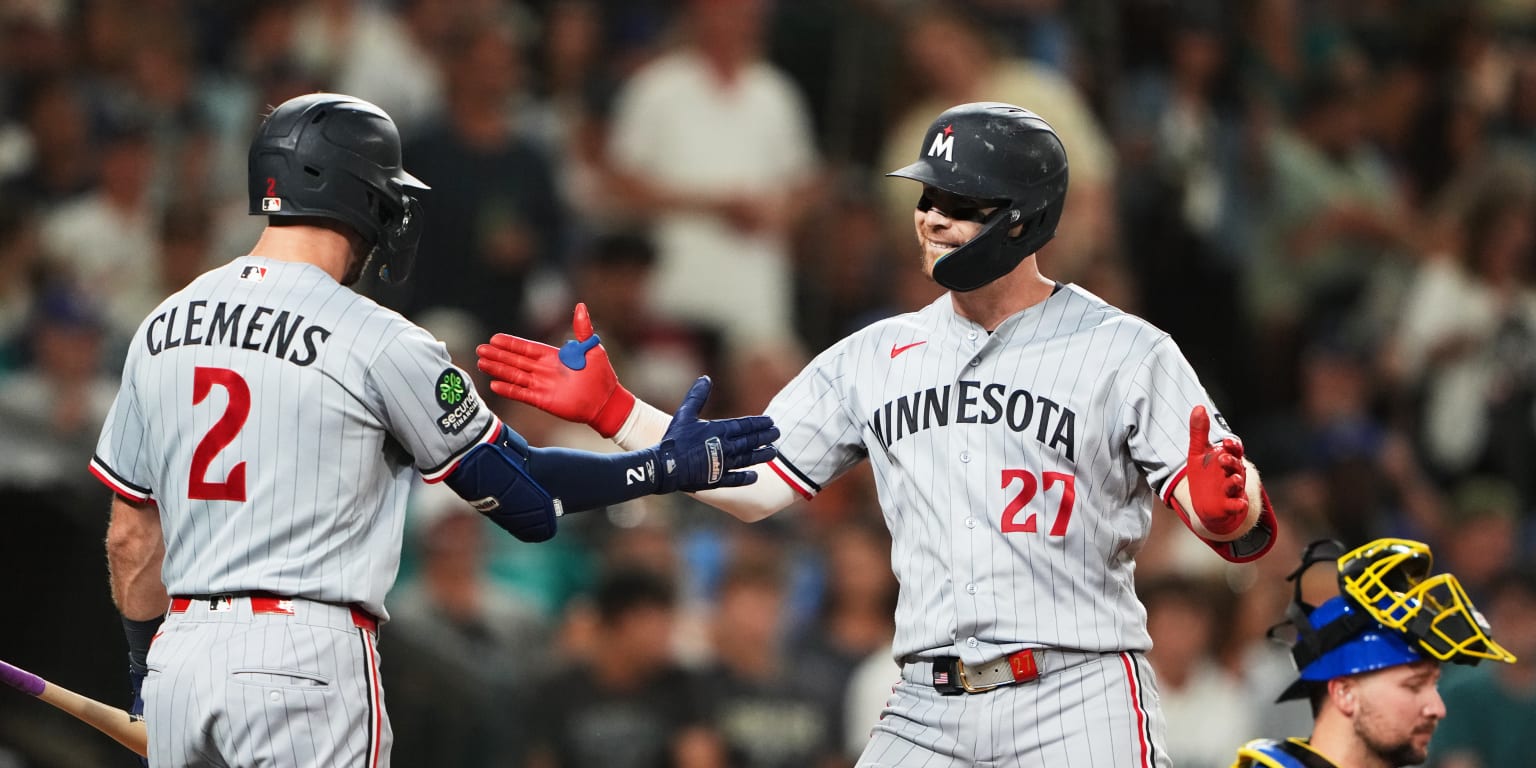
The Twins crossed .500 on Friday night with a 5-3 comeback win over Seattle, their first time above the mark since April 21. That timing matters: GM Jeremy Zoll announced his team was a buyer on Tuesday, and in the three-plus days since, Minnesota has executed two trades—reliever AJ Minter from the Mets, then starter Dean Kremer from Baltimore—while the roster itself kept winning games that, a week ago, looked like potential sellers'-market casualties.
The sequence is worth unpacking. Zoll's declaration on Tuesday came with real risk: the Twins were under .500 at the time, and they had a full week of games left before the deadline. One losing streak could have flipped the calculus entirely, forcing a reversal into fire-sale mode. Instead, Minnesota has used this window to both improve the roster and prove the move was justified. The Mariners game exemplified the profile—a hard-fought, multi-deficit comeback that required the bullpen to deliver four scoreless innings after Zebby Matthews cleaned up his early trouble (three runs in 1.2 innings before settling into 10 strikeouts over the next 5+ innings). That kind of grit, combined with three homers (Brooks Lee, Royce Lewis, Ryan Jeffers), reads as a team confident enough in its ceiling to make additions rather than liquidate.
The math supports the narrative. Minnesota is now 56-55, tied with Cleveland for the third AL Wild Card spot, two games ahead of the pack in the secondary race and three back of division-leading Chicago. That's a functional contender, not a lottery ticket. But Kremer and Minter are mid-tier acquisitions, not franchise-changing rentals—both are useful but neither is a playoff ace or a shutdown reliever. The edge exists in the timing and intent: the market priced the Twins as sellers until Tuesday; teams that wait until the final 72 hours to buy often overpay, because desperation gets baked into the ask. Minnesota moved early enough to negotiate from strength (a winning record and momentum) rather than panic. That matters for what comes next.
For prop bettors, the real angle sits in bullpen durability and team total volatility. The Twins burned four relievers (Funderburk, and three others) to secure this one win; that's efficient use of arms, but it's also a signal that the relief corps is being leaned on hard in a pitcher's park against a quality opponent. Kremer provides rotation depth and innings relief, which should reduce bullpen burden in games Minnesota was previously losing. Seattle's pitching staff is elite, yet Minnesota still scratched five runs and came from behind twice—that's not luck, that's lineup construction starting to click. The addition of Kremer (a 3.83 ERA guy, solid not spectacular) won't move the needle on this game, but it shifts the odds on future games where the Twins' own pitching was the limiting factor. Team totals for Minnesota should trend slightly higher over the next two weeks as the roster settles and the bullpen gets real relief. The downside: in a division with Chicago leading and Cleveland matching their pace, the margin for error is razor-thin. One losing streak undoes all the credibility Zoll just bought.