Clarke's Hamstring Setback Extends Oakland's Outfield Injury Crisis Into July
By PropBetEdge Editorial Team ·
The Athletics lose their young outfielder to a significant strain barely a month into his rehab, deepening roster constraints that will ripple through their summer lineup construction.
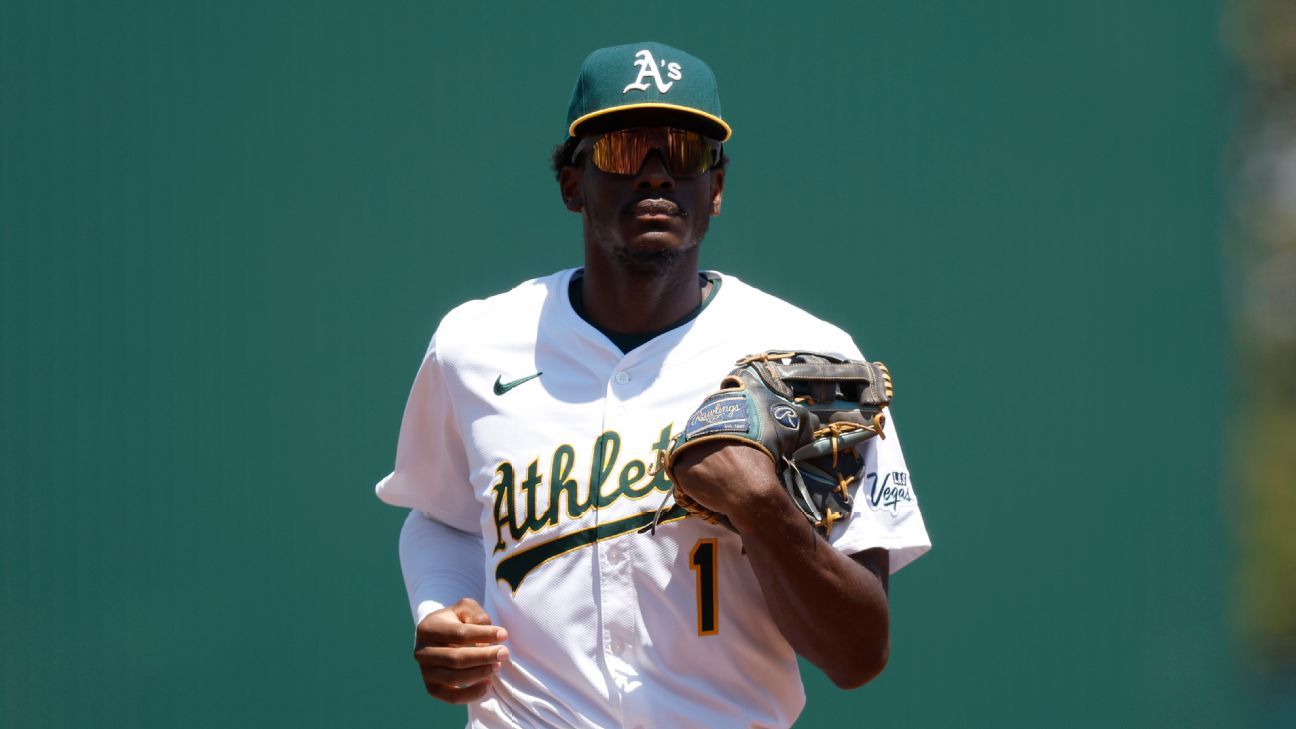
Denzel Clarke's return to Oakland's outfield just became a July problem. The 26-year-old Canadian suffered a high-grade left hamstring strain during Tuesday's game and has been shelved until at least after the All-Star break, the team announced. An MRI confirmed the severity; Clarke will undergo re-evaluation in July, meaning he's out a minimum of six weeks with no guarantee of availability when rosters reconvene.
The timing compounds an already fragile situation. Clarke was on a rehab assignment for a right foot bone bruise that landed him on the 10-day IL on April 22—a separate injury that had already sidelined him for stretches of spring training. Last season as a rookie, he missed significant time to an adductor strain, establishing a pattern of lower-body durability concerns that scouts and the organization clearly tracked. In 22 games this year, he's managed a .170 batting average with no home runs, six RBIs, and a single double—production that barely justifies his roster spot even when healthy, but at least represented access to speed (two stolen bases) in a lineup that needs it.
For Oakland's depth chart, this is a material blow. The Athletics have limited proven outfield talent above Single-A; Clarke was supposed to be a bridge piece while the farm system developed. His absence forces the organization to shuffle bench assignments and rely on lower-ceiling role players, exactly the kind of roster inefficiency that compounds during a lost season. The team's offensive flexibility shrinks when a young player with speed upside is unavailable—even a slumping one.
The prop angle centers on Oakland's team total and run production for the next six weeks. Clarke wasn't carrying the load offensively, but his absence removes even marginal speed-based upside from the lineup. More importantly, it signals that the roster infrastructure is stretched thin. Teams with injury-ravaged depth charts tend to see their run-scoring stability decline and variance increase; on any given night, pinch-hitting patterns and defensive substitutions shift, creating volatility in production forecasts. Oakland's team total over 4.0-4.5 runs across their June schedule carries elevated risk because the bench is now thinner and the offensive combinations less predictable. Unders on Athletics team totals over the next month are more durable than they would be against a healthier squad, particularly in games where Oakland is favored or facing average pitching.
Clark's timeline also matters for mid-season deadline planning. If he doesn't return in July, it signals to the front office that the injury investment wasn't worth protecting—a signal that could accelerate trade conversations around deadline pickups or aggressive roster pruning rather than investing in near-term healing.