Oakland's Desperation Shuffle: Meneses Call-Up Masks Deeper Rotation Collapse
By PropBetEdge Editorial Team ·
The A's promote a waiver-wire reclamation at first base while their pitching staff deteriorates, signaling roster instability that will ripple through their offensive prop markets.
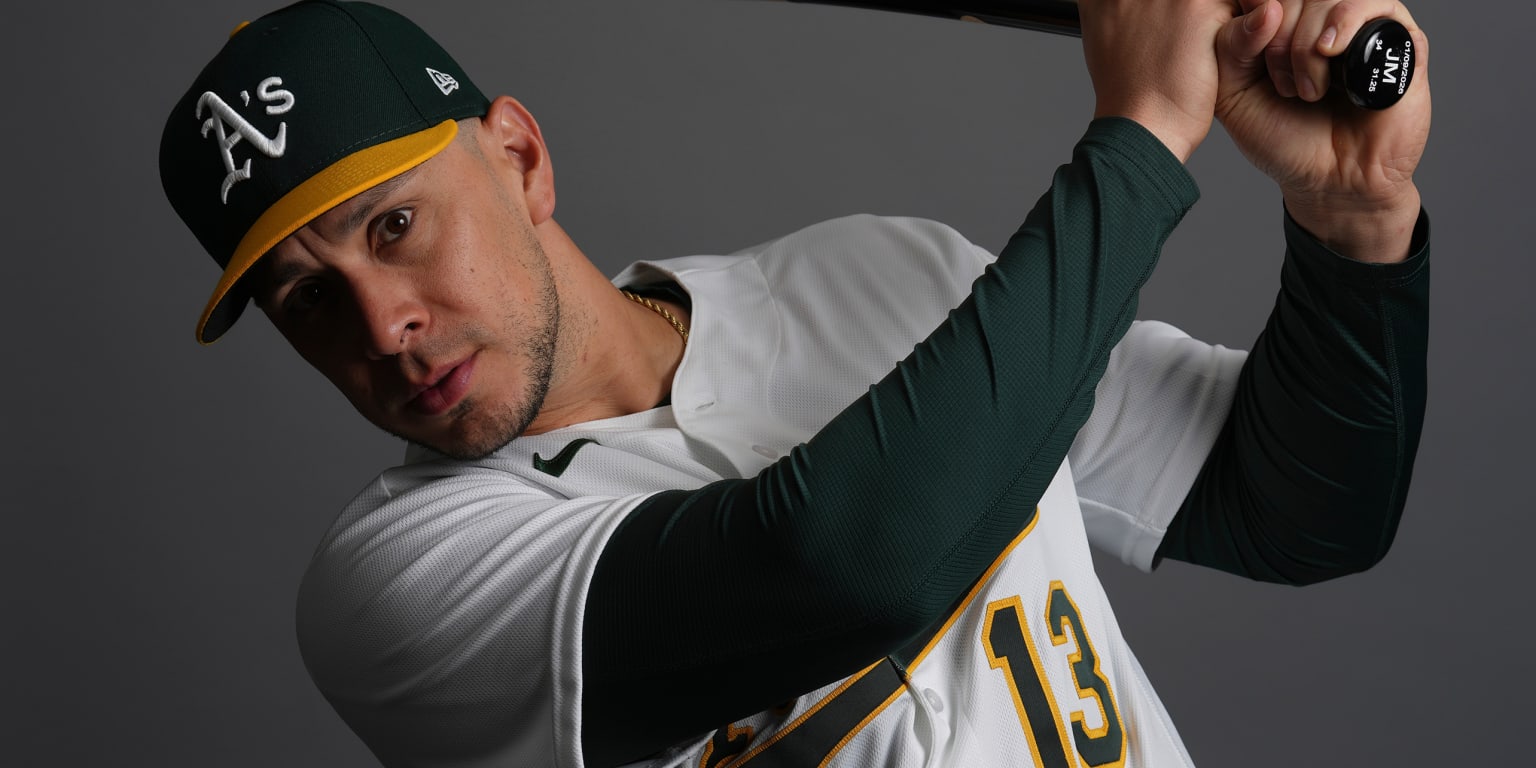
Oakland made three roster moves Sunday that tell a story of organizational triage rather than strategic depth. The Athletics summoned Joey Meneses from Triple-A Las Vegas and left-hander Matt Krook from the same affiliate, while optioning infielder Alika Williams back down and designating reliever Scott Barlow for assignment. The real headline, though, sits in the fine print: Luis Severino's transfer to the 60-day injured list, a signal that the A's right-shoulder damage on their starting pitcher may sideline him for the remainder of June and into July.
Meneses arrives as a reclamation play—a 34-year-old who hit .348 with a .944 OPS across 69 Triple-A games this season. His MLB resume is pedestrian but functional: .274 career average with 165 RBIs across 286 games with Washington from 2022–24. Oakland signed him to a minor-league deal and invited him to Spring Training, betting on a late-career surge or platoon depth. His Triple-A line—20 doubles, 11 home runs in 69 games—translates to roughly 47 doubles and 26 homers over a full 162-game stretch, which would place him in the middle tier of first-base production. That's not a star arrival; it's damage control against injury attrition. Williams, acquired from Pittsburgh on May 16 for minimal cost, departs after hitting .289 in 23 Oakland games. The demotion suggests the front office views Meneses' upside ceiling as higher, even if his floor is lower.
Krook's 2025 stint with the A's was a disaster—a 16.20 ERA across 3.1 innings in three relief appearances—but his Triple-A numbers this season offer a counterpoint: 3.72 ERA, 42 strikeouts, and a .223 opponent batting average across 25 games (29 innings). His walk rate is inflated at 16 walks in that span, and his 30-year-old arm carries no prospect premium. Oakland is mining for lottery-ticket depth on the mound, a decision born from losing Severino. The shoulder strain Severino suffered on May 30, treated with a PRP injection on June 4, has now forced a 60-day placement. That's a 52-day window from injury to IL move, suggesting the initial prognosis was underestimated or the inflammation didn't respond to the injection as hoped. Severino's absence removes a rotation anchor and forces Oakland to lean harder on fragile mid-rotation options and callups.
The Barlow DFA is the move with immediate betting consequence. The 33-year-old signed as a free agent on February 10 and posted an alarming home/road split: 1.02 ERA on the road, 12.64 ERA at home. That 11.62-run gap is so extreme it suggests either mechanical collapse at his home park or a defense that hemorrhages behind him. Either way, Oakland chose to cut him loose rather than manage his workload. For A's bullpen props going forward, relief ERA lines should tighten on the unders—fewer innings for a volatile arm means fewer damage opportunities. For team totals, the rotation uncertainty compounds the offense's need to carry games, pushing unders on A's team run totals off-attractive as the pitching staff becomes a liability rather than a stabilizer.
Meneses' arrival doesn't materially shift Oakland's offensive profile. His .401 on-base percentage in Triple-A is respectable but not elite, and his career MLB strikeout rate sits around 25%, making him a below-average power threat in a league increasingly hostile to average contact hitters. The real prop implication is volatility: Oakland has now handed first-base at-bats to a cold-start call-up with limited recent MLB reps, introducing unpredictability into any Meneses player-prop line. Any first-base or team offensive props that were priced assuming continuity with Williams' .289 line should be faded until Meneses establishes a rhythm.