Oakland Swaps Youth for Veteran Arm as Suarez Gets Second Chance
By PropBetEdge Editorial Team ·
The Athletics traded cash for a left-hander Seattle had already given up on, signaling a rotation depth crisis and opening a betting angle on Oakland's pitching volatility.
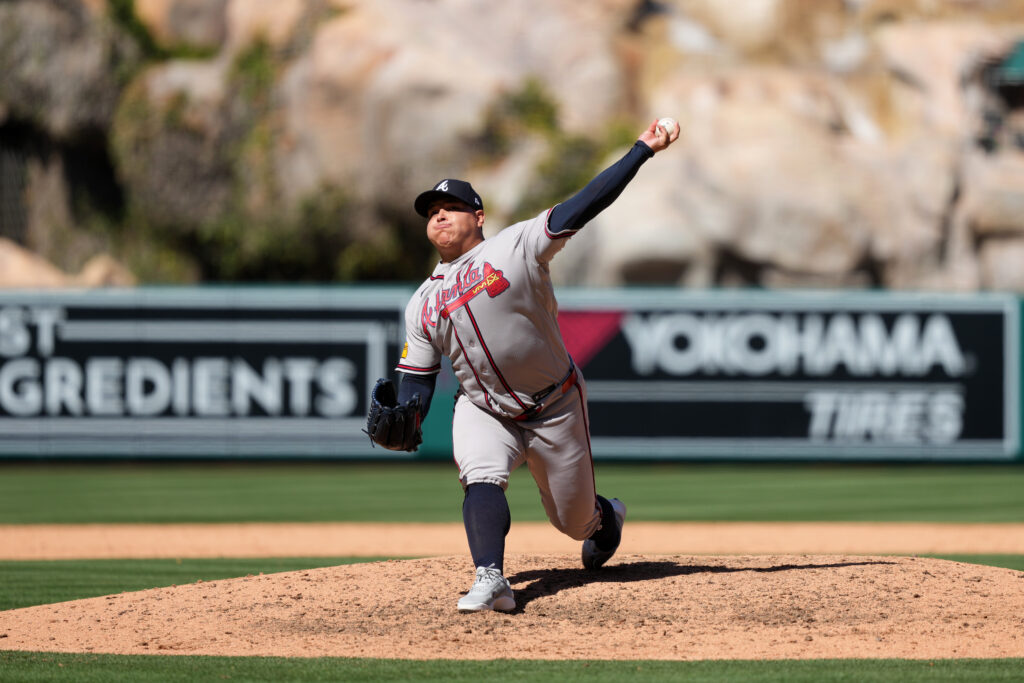
The Athletics acquired left-hander José Suarez from Seattle on Thursday in a cash-only deal, immediately promoting him to the big league roster. Oakland's corresponding move—designating outfielder Junior Perez for assignment—underscores a clubhouse priority shift: pitching depth over prospect development. Suarez, who ran out of minor league options, bypasses Triple-A entirely and lands in a rotation that has been forced to manufacture innings from thin inventory.
Seattle's decision to DFA Suarez just days before the trade reveals the Mariners' own depth squeeze. A veteran left-hander with big league experience should theoretically hold roster value; the fact that Seattle let him go for pocket change suggests his recent performance or health status has eroded his standing. For Oakland, acquiring Suarez represents a low-cost lottery ticket on a former prospect who still has eligibility to be optioned back to the minors after his current stint if the performance doesn't stick. The Athletics are in full roster-cycling mode—cycling out unproductive outfield depth and cycling in veteran arm depth.
This is not a vote of confidence in Suarez's immediate impact. It is a statement about Oakland's willingness to absorb volatility in their starting rotation rather than trust developmental pitchers or ride out inefficiency. When a team this far from contention makes a rotational acquisition, it often signals internal pessimism about their current depth chart's durability. The Mariners' quick departure from Suarez compounds that signal—he was their recent property, they deemed him not worth keeping, and now Oakland is testing whether a change of scenery or a second chance nets different results.
For prop bettors, Suarez's arrival creates a medium-term wild card in Oakland's pitching totals and opponent strikeout projections. His strikeout rate (career 8.2 K/9) and walk rate (3.6 BB/9) are both league-average to below-average; he will not blow teams away, and he will generate free passes at a volume that elevates opponent scoring odds. Oakland's team pitching line—already volatile given their injury history and talent constraints—now includes a rotation piece whose exact usage and workload remain uncertain. If Suarez enters the rotation as a starter, opponent team totals against Oakland should tick upward. If he lands in a relief role (less likely given his DFA context), the effect on game totals is muted but his strikeout prop becomes a fade candidate.
The real angle here is fade-based. Suarez's presence does not improve Oakland's pitching volatility; it acknowledges it. Bettors who were already sizing opponent overs on Athletics games now have confirmation that Oakland's rotation is a strength weakness being managed quarter-by-quarter, not a structural advantage. Any pregame line movement that treats this acquisition as a positive for Oakland's pitching should be faded. It is not. It is a rotation triage move dressed up as a depth play.