Arenado Joins the 2,000-Hit Club—and Why Veterans in Historical Moments Are Still Live Bets
By PropBetEdge Editorial Team ·
Nolan Arenado became the sixth active player to reach 2,000 career hits Monday, a milestone that signals sustained performance but also masks a crucial betting reality: aging hitters chasing history often see inflated offensive props.
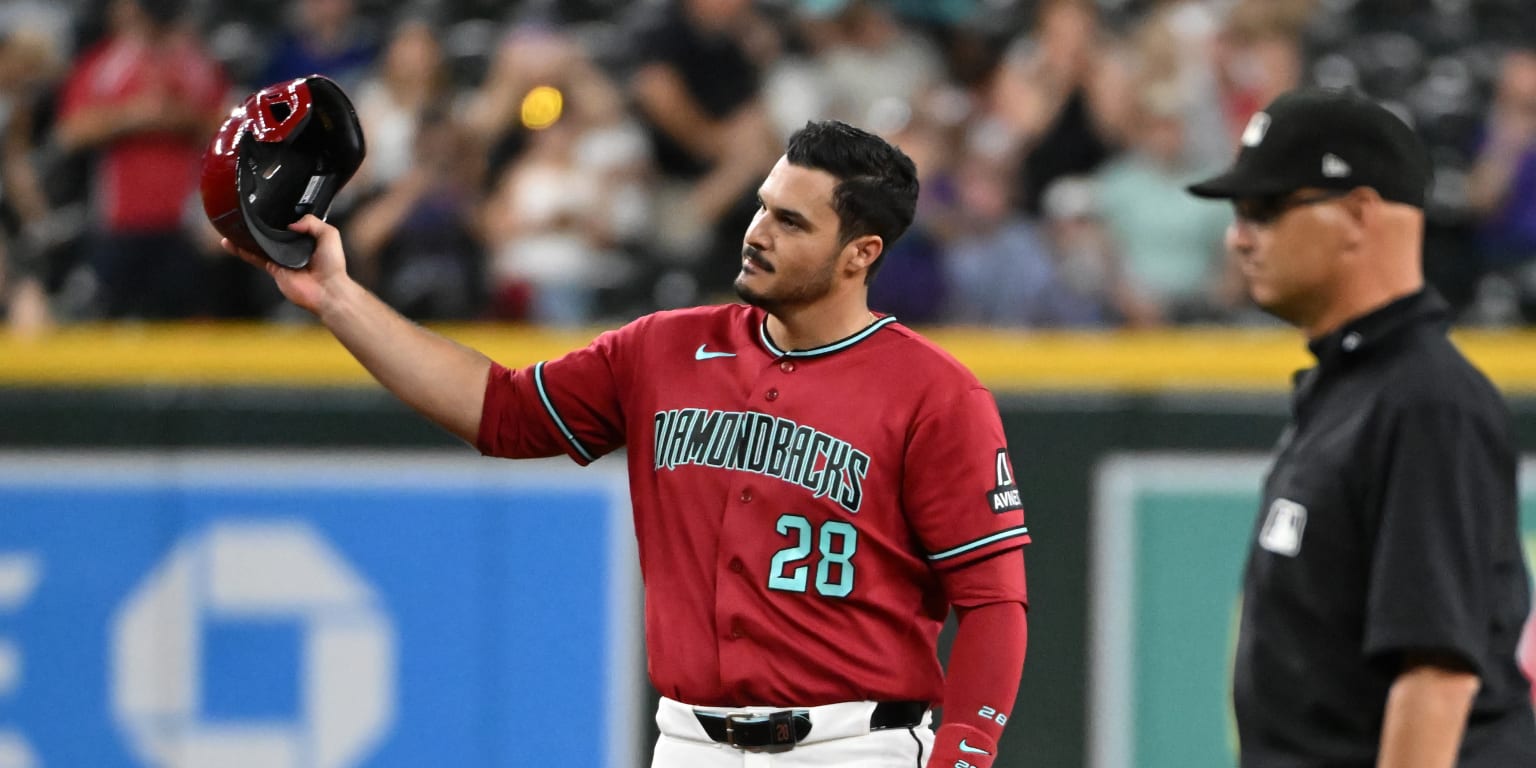
Nolan Arenado doubled off Jeffrey Springs in the fifth inning Monday night at Chase Field to become the 297th player in baseball history to reach 2,000 career hits. The Diamondbacks third baseman, 35, joined an exclusive active cohort: Manny Machado, Paul Goldschmidt, Jose Altuve, Andrew McCutchen, and Freddie Freeman. It's a career achievement that carries legitimate historical weight—only two other players, Steve Finley and Luis Gonzalez, reached the mark while wearing Arizona colors.
What the milestone narrative often obscures is the mechanics of how players accumulate their final thousand hits. Arenado has been with Arizona for one season, following nine years in St. Louis and six in Colorado. Over that span, he's remained a reliable contact hitter, but his power profile and plate discipline have compressed with age. At 35, he's drawing fewer walks, striking out at a higher rate relative to his career average, and producing fewer extra-base hits per plate appearance than he did in his late twenties and early thirties. The fact that he needed to be traded to Arizona—a team actively rebuilding—and then spent the first half of this season grinding toward a historical target tells you something about his current market value versus the narrative halo around a milestone.
Arenado himself acknowledged the psychological element in his postgame comments, noting that the past two weeks of improved at-bats came after conscious work in the cage. That's the tell: veterans chasing round numbers often see their offensive lines artificially elevated in the final sprint to the milestone, driven partly by increased focus and partly by opponents' willingness to pitch to them conservatively to avoid the narrative of being the one who "denied" a legend. Market makers and sportsbooks ARE aware of this dynamic, but the lag in line adjustment—especially for veterans in the final year or two of their contention windows—creates a brief window where props tied to contact volume (hits, doubles, total bases) may be overpriced before public adjustment.
For Arenado specifically, the betting implication is modest but real. His hit totals for the next 7-10 days likely carry some inflation as Arizona sees increased media attention and national broadcasts. If his nightly hits prop is listed at 1.5 or higher, the over becomes a fade—not because he's lost the ability to string contact, but because the baseline expectation (0.9 to 1.1 hits per game at his current BA and PA rate) is being stretched by the noise of a milestone week. Similarly, doubles props in the near term should be approached with skepticism; the one he just recorded was a real double, not a freak occurrence, but the market may price the next 3-5 games as if hitters in milestone mode are 15-20% more explosive than they actually are. The edge isn't that Arenado suddenly regressed—it's that the market's expectation temporarily inflated, and veterans reaching historical milestones are a reliable corrective when their actual underlying metrics are examined.