Antonacci's Six-Plate-Appearance Evening Exposes Twins' First-Inning Vulnerability
By PropBetEdge Editorial Team ·
Sam Antonacci reached base six times as the White Sox dismantled Minnesota's starter in the first inning, signaling a dangerous pattern in Taj Bradley's early-game command.
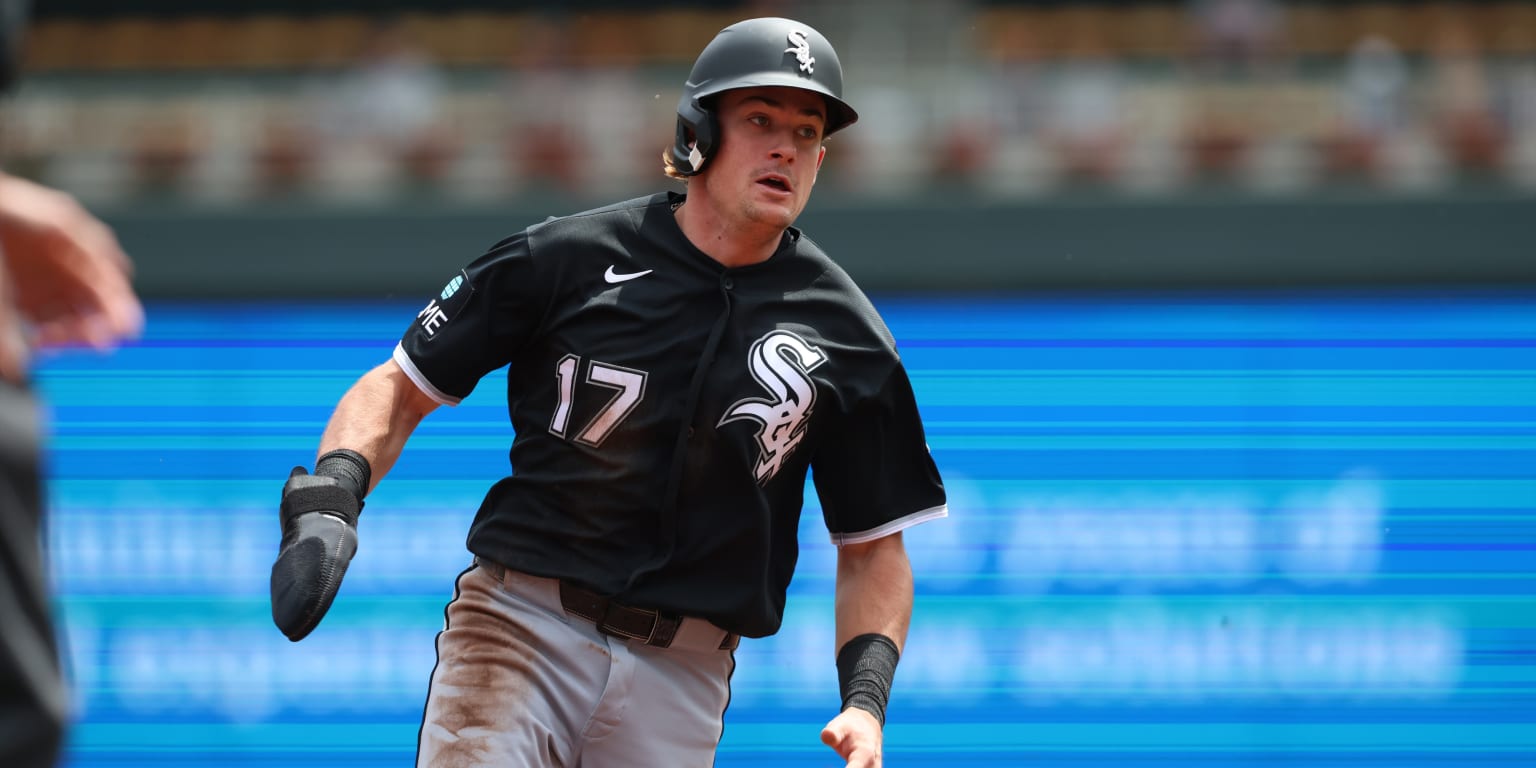
The White Sox made a statement in Minnesota on Wednesday, routing the Twins 8-0 behind a four-run first inning and a shutdown pitching performance from Erick Fedde. But the story worth betting on isn't the shutout—it's how cleanly Chicago exposed Bradley's well-documented weakness. Taj Bradley entered with a 5.40 ERA in first-inning work this season. The White Sox didn't wait long to add to that disaster. Antonacci singled, Miguel Vargas walked, and Andrew Benintendi singled to load the bases with nobody out. Chase Meidroth drew a walk for run one; Jacob Gonzalez followed with a two-run single. By the time the dust cleared, Chicago had burned through Bradley for four runs on four hits and two walks in a span that lasted long enough to establish complete command dysfunction.
Antonacci himself was the mechanical beneficiary of Bradley's location issues. Reaching base six times—four hits (singles in innings one and two, doubles in the sixth and eighth), plus a walk and a hit-by-pitch—he raised his season batting average from .272 to .291 and his on-base percentage from .361 to .383 in a single game. For a light-hitting utility type, those kinds of one-day swings are real, but what matters for the angle is how he got there: he was hunted in the strike zone early, got ahead in counts, and capitalized on a pitcher whose early-inning mechanics were already compromised. The Twins' defensive miscues—two errors on one play in the sixth—compounded Bradley's decline, but the root cause was his inability to establish the zone before runners were in scoring position.
Fedde's performance on the flip side underlines the asymmetry. After walking Trevor Larnach with two outs in the fourth, Fedde retired 11 consecutive Twins and gave up just two hits across five innings with two strikeouts. He didn't need velocity or strikeout dominance to silence Minnesota's lineup; he needed location, and he had it. That contrast—Bradley leaking fastballs in the first, Fedde painting corners—is the statistical meat of this game, not the final margin.
For prop purposes, Bradley's first-inning vulnerability represents a persistent liability, not a one-game aberration. A 5.40 ERA in the opening frame is a seasonal pattern, which means opposing teams that see him on the schedule can target his early struggles with confidence. White Sox first-inning run props, and more broadly team total overs in games where Bradley takes the mound against Chicago, benefit from this mechanical breakdown. The market may price Bradley's season ERA fairly, but innings-specific data on starting pitchers moves slower than full-season aggregates. Teams with scouting reports on early-inning fastball location have an edge before the books catch the sample size.