Red Sox Anthony's Swing Setback Extends Rehab Timeline as Boston's Offense Remains Stalled
By Erik Schwartz ·
A 22-year-old outfielder's wrist soreness on his first hitting session derails the Red Sox's offensive hopes and pushes a potential impact bat further from the lineup.
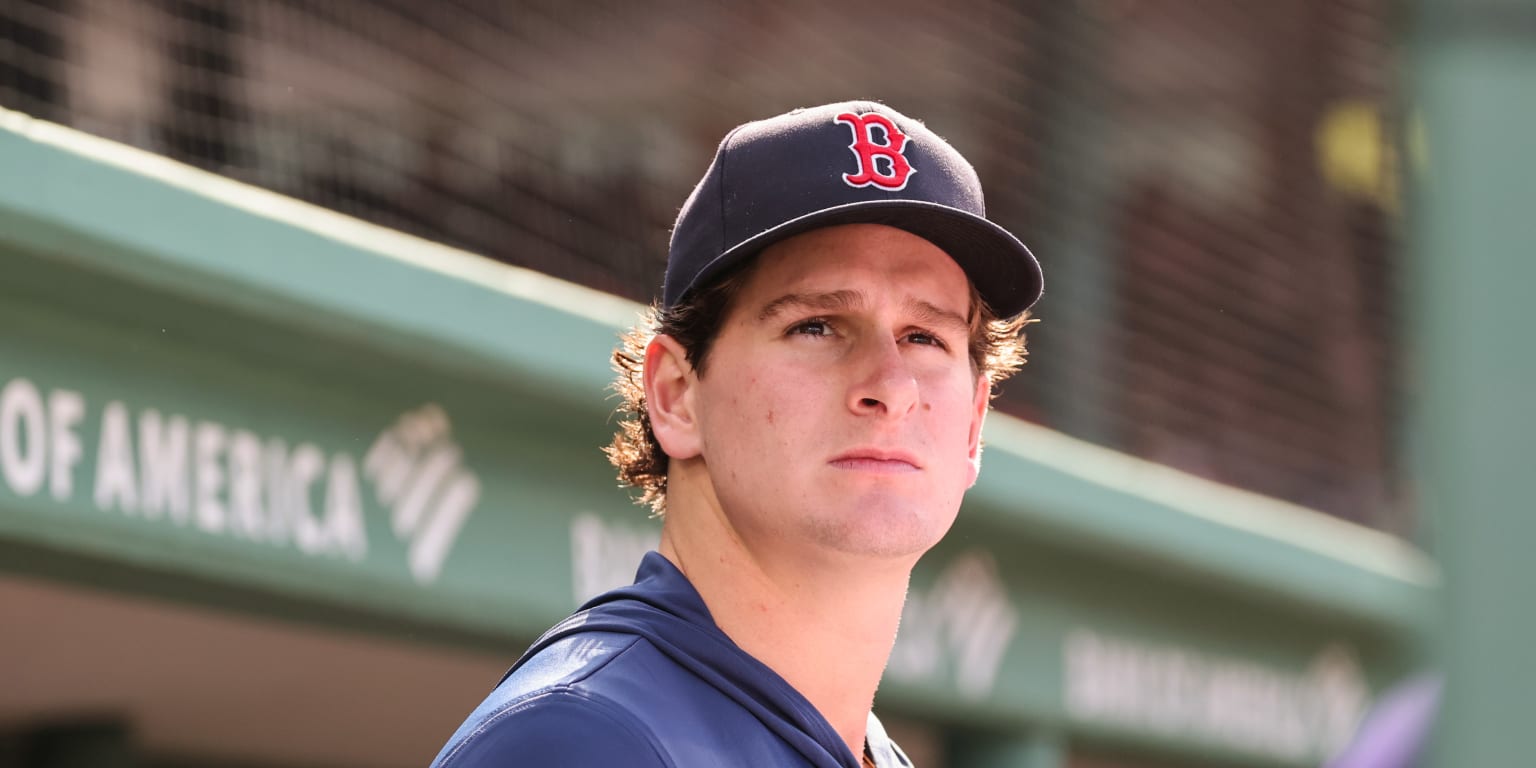
Roman Anthony's return to the Boston lineup just got pushed back. The 22-year-old Red Sox outfielder felt soreness in his right wrist during early swings on Monday, forcing the team to halt his hitting progression indefinitely. That derails what had been a carefully managed rehab calendar — Anthony was two weeks removed from the check-swing foul ball in Detroit that caused the initial injury, and Friday's throwing session in Atlanta suggested momentum toward a near-term activation. Now the Sox will hold him off the bat through Thursday's off-day, then re-evaluate when the team returns to Fenway for a homestand beginning Friday. Interim manager Chad Tracy framed it plainly: "We're not gonna have him swing through soreness and discomfort."
The timing stings for a Red Sox offense that's running on empty. Boston sits 19-27, and the lineup has been a drag on the franchise all season. Anthony himself carries mixed signals going into 2026 — his rookie season yielded a .292/.396/.463 line across 303 plate appearances, a genuinely promising foundation for a young outfielder. But this year, before the oblique injury sidelined him in April, he was hitting just .229/.354/.321 in 130 PA. That's a steep decline from year one, and it raises a real question: is the sophomore slump legitimate, or was he still finding his footing in a new environment? The injury interrupted any chance to answer it.
What complicates matters is Anthony's injury history now includes a wrist that's proven fragile under load. Check-swing fouls aren't violent swings — they're finesse plays. That he felt soreness immediately upon resuming batting work suggests the wrist isn't ready for game-speed forces yet. The conservative approach is prudent; a premature return risks a chronic issue that haunts a 22-year-old for years. But it also means Boston's timeline for adding any offensive juice just extended by at least 7-10 days, possibly longer depending on what re-evaluation shows Friday.
For the betting side, this matters in two ways. First, Red Sox team totals should reflect extended offensive fragility. With Anthony out and the lineup already underperforming, Boston's run-production outlook darkens further — expect continued downward pressure on team-total overs for any series until Anthony actually steps in the box and produces. Second, the absence removes a potential mid-order talent from an already thin offensive arsenal, which reinforces the structural weakness bettors have been exploiting in Red Sox games all season. The market may not have fully priced a secondary delay in Anthony's return yet; books set their numbers assuming a return window that's now shifted by days or more. Early look at Red Sox totals over the next week likely reflects the pre-setback timeline, making unders an avenue worth monitoring as the rehab reality becomes public information.
Beyond this week, the longer-term angle is clearer: watch whether Anthony can recapture 2025 form once he does return. A .292 average with .463 slugging as a rookie is real. A .229 average with .321 slugging in 2026 is a different player. The wrist injury interrupted that search, but it didn't erase the risk that Anthony is a second-year decline case, not a first-year success being held back by bad luck. His prop lines — batting average, slugging, RBI totals — should be re-established at cautious levels once he's activated. Don't assume he slots back into the league-average outfielder bucket immediately. The injury cost him at-bats he needed to disprove the early-season slide.