Messick's ERA Masks a Deeper Pitching Vulnerability in Angels-Guardians Matinee
By Erik Schwartz ·
Cleveland's young starter has posted a 2.30 ERA, but his strikeout rate and contact profile reveal exposure in a Wednesday matchup where the Angels' road-hitting advantage could push totals.
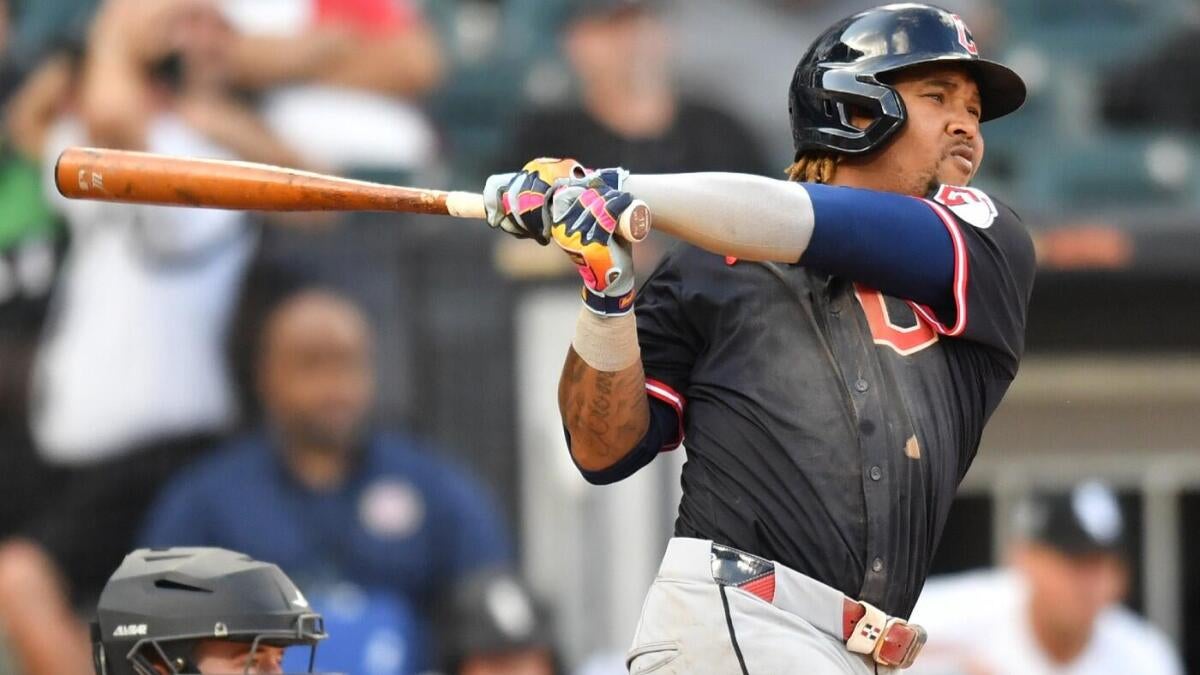
Parker Messick takes the mound Wednesday at Progressive Field with a 4-1 record and a 2.30 ERA that has positioned the Cleveland Guardians as -160 favorites in a matinee against the Los Angeles Angels. The surface narrative is clean: young ace, dominant numbers, AL Central leaders at home. But the underlying mechanics tell a different story—one where Reid Detmers and the Angels' road offense have structural edges the market may not have fully priced.
Messick's ERA sits in the top tier of AL pitchers, yet his strikeout volume has been modest relative to his win total. A 4-1 record without elite whiff rates often signals a pitcher riding sequencing luck or benefiting from strong defensive support behind him. The Angels, meanwhile, are averaging 4.9 runs per game on the road—sixth-best in baseball—which is 1.6 runs higher than their home average. Detmers is 1-3 with a 4.33 ERA, a line that invites fade-the-struggling-lefty narratives, but context matters: he's facing a Guardians offense that, while potent in home games, hasn't shown the same run-production consistency against left-handed starters on the road.
The over-under is set at 7 runs, a number that has historically trended under in Messick starts (3-5 record in games where the total sits at seven) but has gone over in 60% of Guardians home games overall. The disconnect between Messick's individual performance profile and team run environment creates a pricing gap. SportsLine's model projects 9.1 combined runs across 10,000 simulations, implying the over connects in two-thirds of outcomes. That gap—from a 7-run line to a 9.1-run projection—reflects the Angels' offensive floor on the road and Messick's tendency to induce contact rather than strikeouts.
The prop edge here sits in backing the over, but only if you recognize why: the Angels' road-hitting advantage is not a single-game variance play—it's a 50-plus-game sample that persists across matchups. Messick's modest strikeout rate means more balls in play, and more contact plays directly into an Angels lineup constructed to hit moving fastballs. Joe Adell, Zach Neto, and Mike Trout are projected by the model to generate 1.5 total bases each; that's not outlier production, that's their calibrated role in an offense operating at 4.9 rpg on enemy fields. The over is durable across multiple sims because it's rooted in a structural advantage, not a one-off hot streak.
The moneyline, by contrast, remains tighter. Cleveland's pitching talent is real, and home-field advantage at Progressive Field is a durable edge. But if totals move toward 7.5 or 8 by first pitch—and they likely will if sharp money enters early—the over carries less risk. The real angle is not which team wins; it's that the total was set too low relative to the Angels' road offensive floor and Messick's contact-heavy profile.