Rodriguez's Angels Debut Carries Injury Risk—and Betting Consequences
By Ty Whitney ·
Grayson Rodriguez finally gets activated Sunday against the Dodgers, but spring shoulder inflammation raises durability flags that markets haven't fully priced.
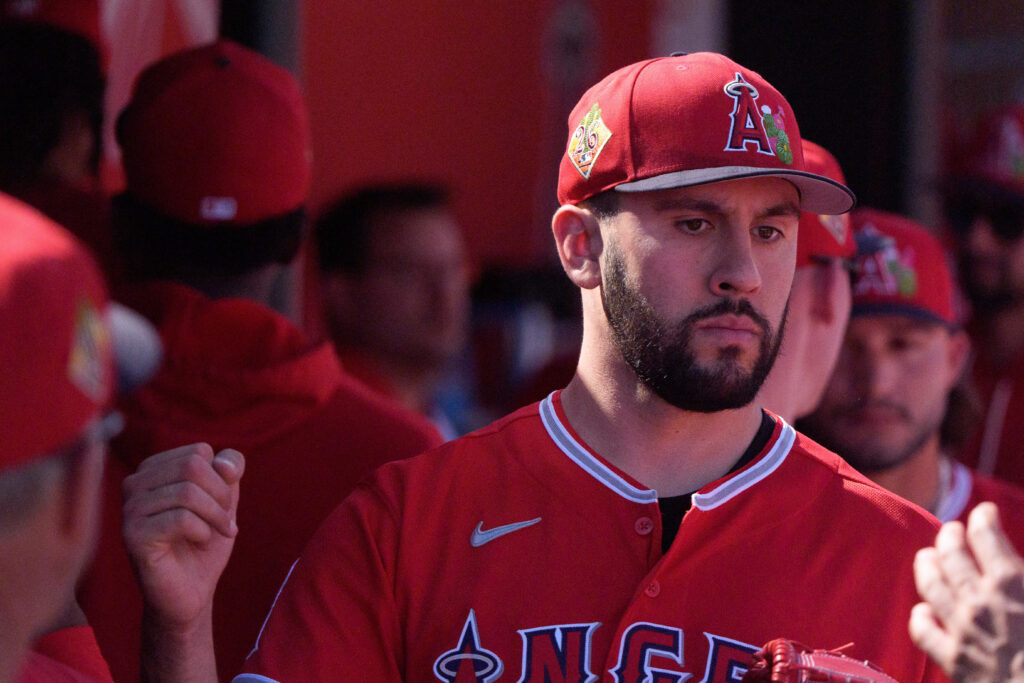
The Angels will activate right-hander Grayson Rodriguez on Sunday for his first start of the 2026 season, ending a delayed spring training timeline marked by shoulder inflammation and dead-arm soreness. Rodriguez, acquired from Baltimore as a prospect with legitimate frontline upside, was supposed to be ready for Opening Day but instead sat through the first month of the regular season. That's a meaningful delay for a young arm expected to anchor a rotation—and it's not nothing that he's taking the mound against a Dodgers lineup that doesn't leave much margin for error.
The mechanical fact: Rodriguez didn't pitch competitively in spring training due to shoulder soreness. That's different from a clean rehab assignment or a minor-league tune-up where you can calibrate feel and command over multiple outings. He's walking into a major-league game cold relative to where the team ideally wanted him to be. The Angels are making a baseball decision that he's ready enough to face LA, and they may well be right—but the lack of spring work is a real variable in his performance ceiling Sunday.
For bettors, this translates into two operational risks. First, Rodriguez's pitch count will likely be managed conservatively on a short leash. After a month off, the Angels aren't giving him permission to work deep into games; expect 75-85 pitches maximum, possibly less if he shows any fatigue or discomfort. That depresses his strikeout potential and any under-on-K props. Second, the shoulder history itself introduces volatility into future appearances—the kind of latent injury concern that shows up in line movement only after a setback occurs. If he exits early Sunday or reports soreness, his next start becomes a binary event (activated or back to IL), and the market will reprice his workload immediately.
The smart read: Rodriguez's strikeout line for Sunday is likely priced as if he's a standard league-average starter in his first outing. But a managed pitch count against the Dodgers, combined with rust from extended time off, suggests his actual K upside is capped. Over 4-5 innings, even a 9.5 K/9 season pace floors out around 6-7 strikeouts—well under typical props for a top prospect. The line has probably settled around 6.5-7.5 strikeouts; that's not free money on the under, but it's where the risk shifts in your favor if you're waiting for the market to adjust post-activation. The Dodgers' propensity to make young arms work (they rank top-five in pitches per plate appearance) could actually help here: more pitches at contact increases the odds of early exit, which drops Rodriguez's final K total regardless of his stuff quality.
The deeper angle: Rodriguez's team total for Angels runs is depressed because of questions about his command in a cold start. That's fair caution, but it's also where sharp money moves. If the Dodgers' pitching is subpar Sunday and the Angels get early runs, you want exposure to an Angels team total that already baked in pessimism about run support. Watch the opening number carefully; if it settles at 3.5-4 runs, lean there. Rodriguez's return is real news, but the market's uncertainty about durability and pitch count is pricing him like a reliever's outing, not a starter's. That asymmetry lasts only until the first pitch Sunday.